
What do the Museums Collect?
The historic structures and collections managed by Historic Alexandria reflect the diversity of centuries of Alexandria history and provide a context for understanding the broader scope of regional, state and national history.
Below is a brief description of each museum's collections. See their collections pages for more information on the collections and each museum's collecting policies.

Reproduction & Publication Requests
Please submit your Reproduction Request for approval by the Office of Historic Alexandria, after reading the Fee Schedule and Reproduction Conditions below. Once your request is approved, you will be sent a payment link.
Reproduction & Publication Fee SCHEDULE
Reproduction & Publication Fees (printable PDF)
Reproduction Fees
- Digital Images (educational, academic, scholarly use): $25 per image
- Commercial use, for profit: $50 per image
- New scanning: $15 per item New photography: $25 per image
- Special handling fee, new photography: $100 per item
(for oversize objects/materials or those with special requirements)
Please note that the physical condition or donor/copyright restrictions may limit what can be reproduced.
Publication Fees
- One-time use in a book or article: $25 per image
- Commercial use, for profit: $100 per image, or as determined by Office of Historic Alexandria
Reproduction Conditions
- The intended use of the material is approved in advance by the Office of Historic Alexandria (OHA).
- Permission to reproduce is intended for one usage, in one publication, one edition and one language. Additional use of the same image requires a new permission request. A photographic copy or any facsimile of the image may not be reproduced by others.
- The credit line for archival or photographic material must be cited as advised by OHA staff.
- The image(s) must remain whole and unaltered, except with permission of OHA staff. If a detail is used, the word “detail” must appear in the caption or credit line.
- Special permission must be obtained if the reproduction is to appear on a book jacket, DVD or CD cover, calendar, brochure, poster, advertisement, video, web page or other commercial product. Fees will be required for cover and commercial usage.
- In authorizing the reproduction of works in its collections, OHA does not surrender its own right to publish or grant permission to others to publish works from the collection.
- It is the requester's obligation to assess copyright or other use restrictions and obtain permissions when necessary before publishing or otherwise distributing materials in OHA's collections.
- The Office of Historic Alexandria/Museum will receive one complimentary copy of the publication or product in which the reproduction appears.
- After approval of your request, reproduction fees are payable in advance, whether or not the materials are used. Make checks payable to the City of Alexandria. For credit card payments, please pay online.
- The user agrees to abide by the above statements and further agrees to indemnify the Office of Historic Alexandria and the City of Alexandria in the event they knowingly or unknowingly violate any intellectual or physical property rights of any entities with rights to the requested materials.
How to Donate Your Objects or Collections
If you have objects that you may want to donate to Historic Alexandria Museums, please contact the appropriate museum, or contact the curator on Alex311, or at Alexandria History Museum at The Lyceum, who can direct you to the right place.
Gifts to the Office of Historic Alexandria’s historic collections and libraries become the property of the City of Alexandria, Virginia. They are held by the Museums in public trust, to be preserved and used as a resource and legacy for future generations of residents, visitors and researchers. Gifts are tax deductible to the full extent of the law; see your tax accountant for more information.
Each museum follows a Collections Policy that includes a Scope of Collections statement in determining what objects to bring into the collection, so that objects can be used and cared for in the most appropriate setting.
See below to learn what each museum collects.
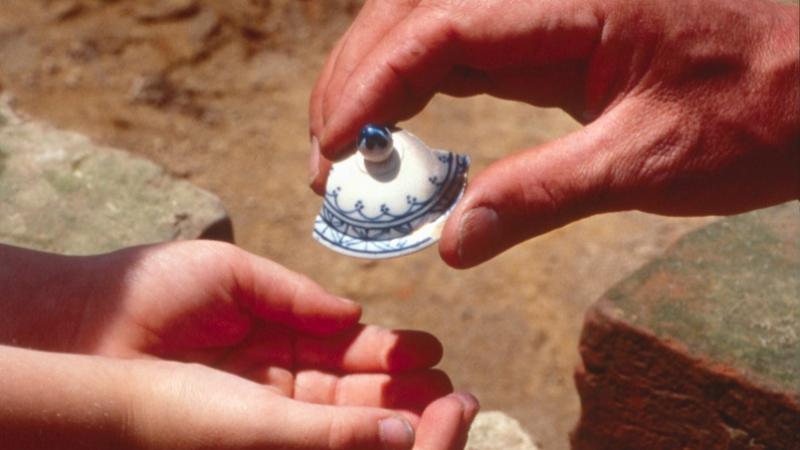
Alexandria Archaeology Museum collects archaeological materials from professional excavations within the current City limits of Alexandria. The museum may also accept artifacts found on a homeowner's property.
Alexandria Archaeology Museum collections and collecting policies.
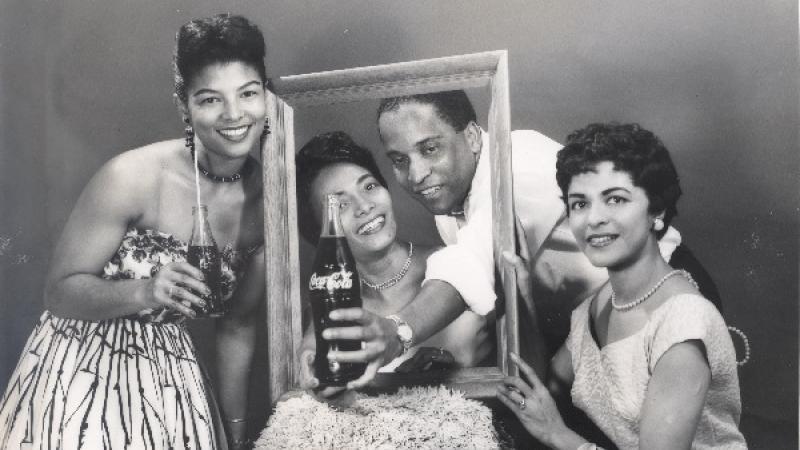
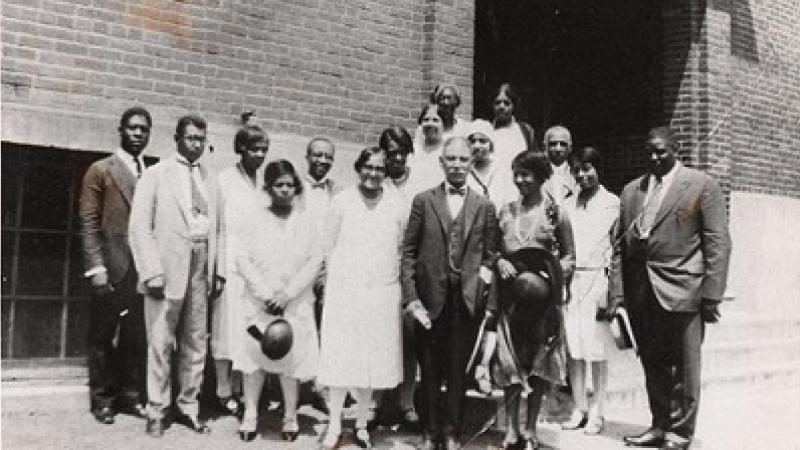
Alexandria Black History Museum’s (ABHM) collections preserve Alexandria, Virginia’s African American history from 1749 to the present. In addition, the museum collects documents and artifacts relating to a wide range of African and African American history.
Alexandria Black History Museum collections and collecting policies
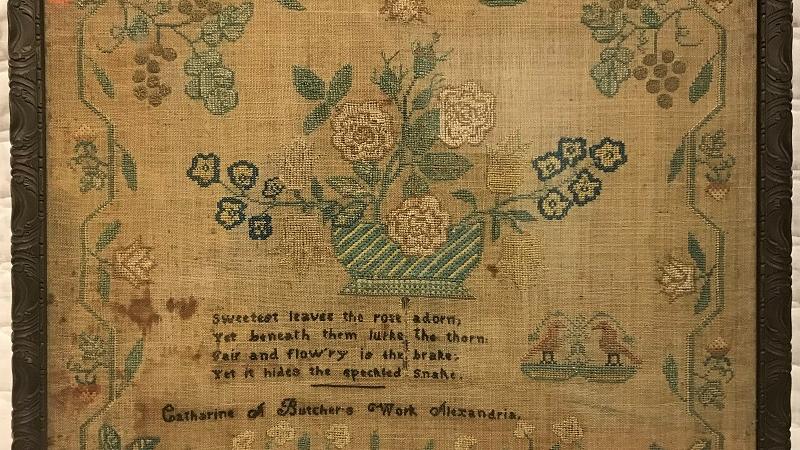
Alexandria History Museum at The Lyceum collects artifacts representing all time periods of Alexandria and the surrounding region’s past, as well as objects relevant for interpreting The Lyceum as a historic site.
Alexandria History Museum collections and collecting policies.
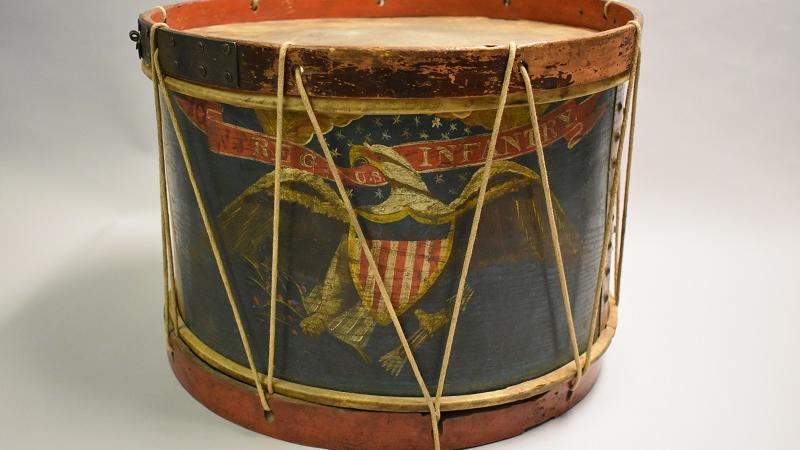
Fort Ward Museum collections objects that broadly interpret the history of the site, the Civil War Defenses of Washington, and local history related to wartime Alexandria.
Alexandria Black History Museum (above) administers collections that may be relevant to the history of the building and the slave trade, and that may be displayed and interpreted at Freedom House Museum.
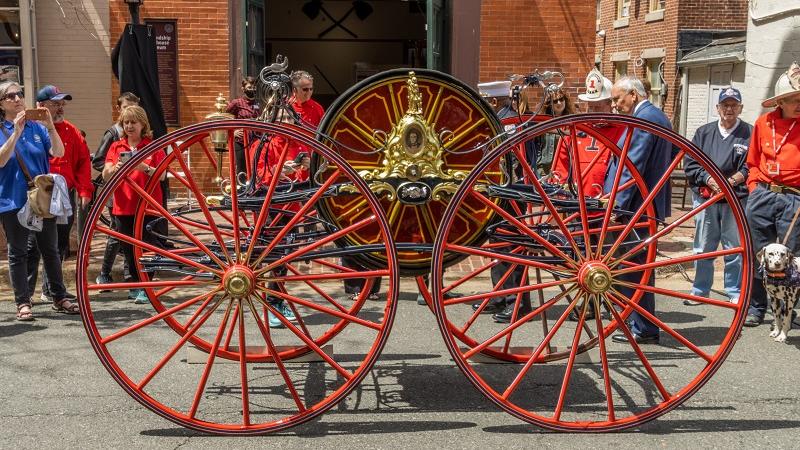
Alexandria History Museum at the Lyceum (above) administers the Friendship Fire Company Collection. The collection includes materials related to Friendship and other Alexandria historic volunteer firefighting companies.
Gadsby’s Tavern Museum collects objects in accordance with its Historic Furnishings Plan, to authentically furnish the buildings known as Gadsby’s Tavern Museum, to be relevant to the interpretation and understanding of the stated historical period (1785-1810), or to reflect the subsequent history of the two buildings.
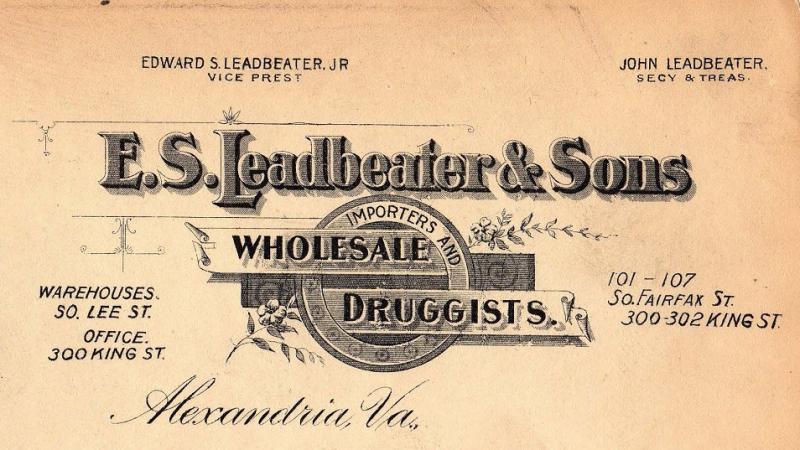
Stabler-Leadbeater Apothecary Museum may add objects to the permanent collection that are relevant to the interpretation and understanding of the historic site. Adequate history of the object must be established before it is accepted into the permanent collection.