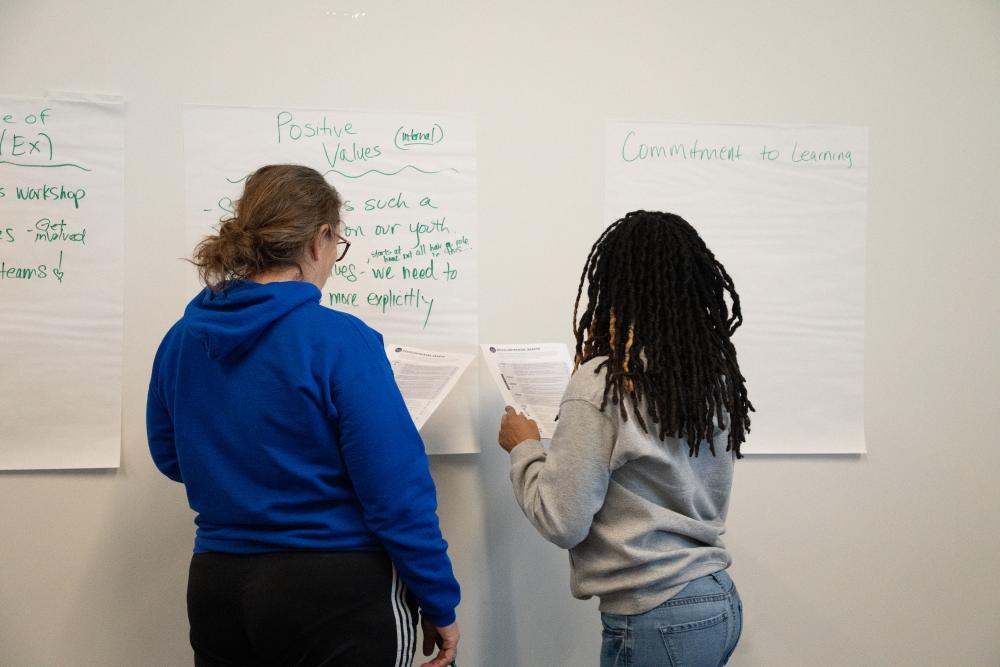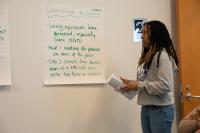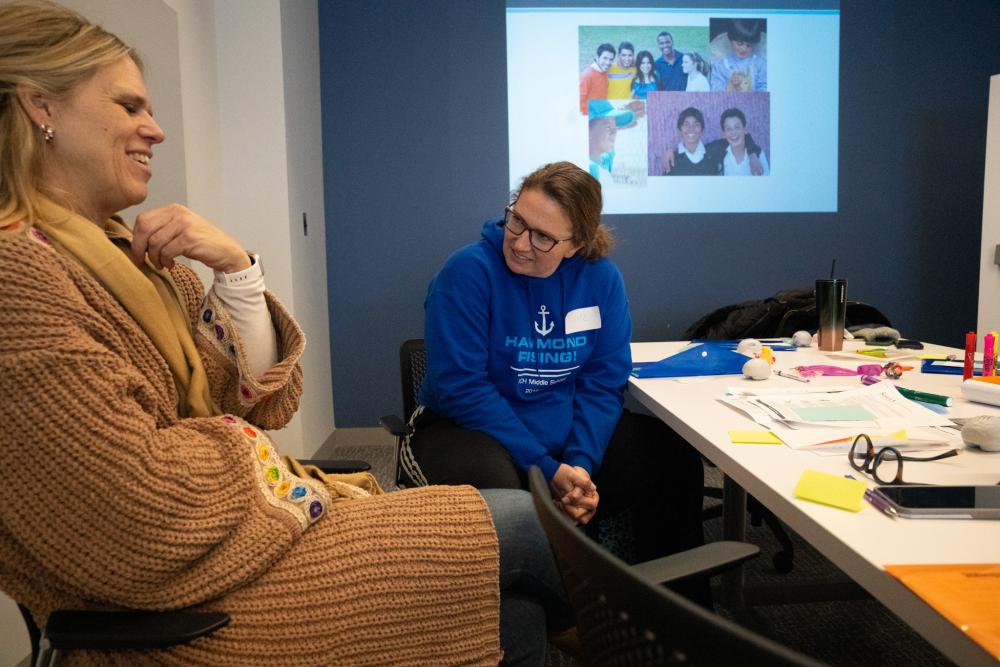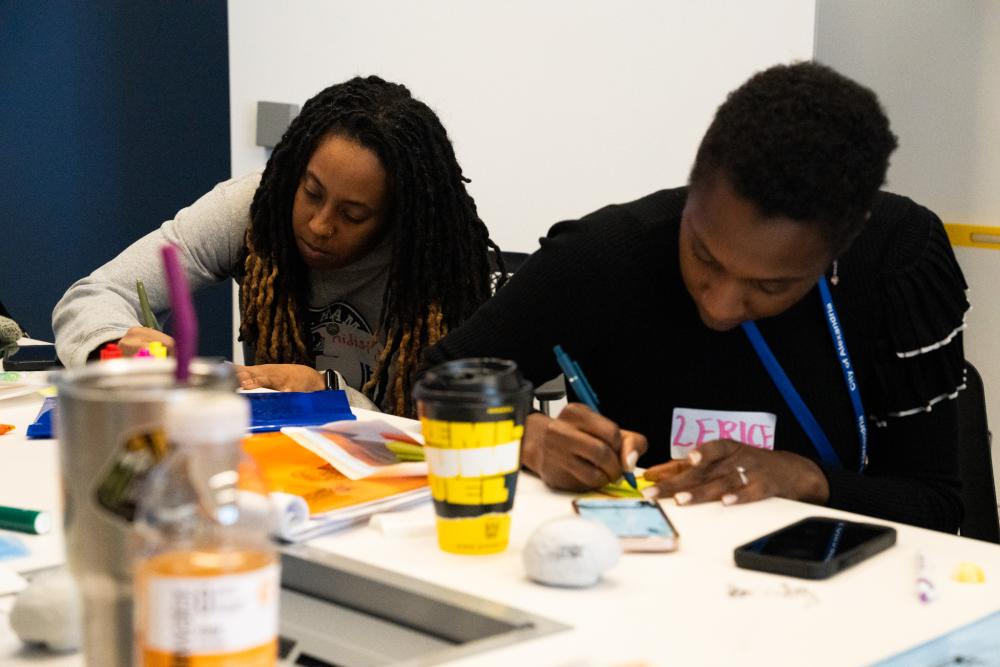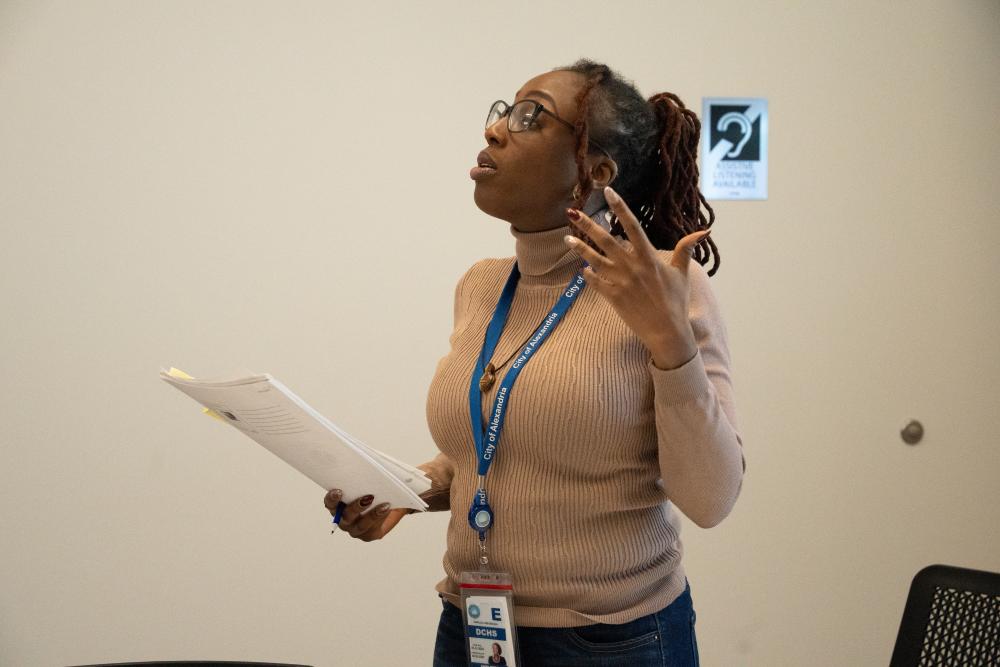

In January, Dr. Temi O Aregbesola hosted a powerful Asset Building Workshop aimed at empowering people to support youth by fostering relationships and creating opportunities that build a positive environment. For more than 30 years, Search Institute has studied Developmental Assets® in the lives of millions of young people. Research consistently shows that young people from all backgrounds do better when they have a strong foundation of these specific strengths in their lives. The workshop focused on these internal and external assets.
Support is one of the key external assets highlighted during the workshop. Dr. Temi explained that young people need to have in their lives at least three individuals who love, care for, appreciate and accept them. This sense of support is vital in helping youth feel secure and confident. Empowerment was discussed as another essential asset. When young people feel safe, respected, and valued they begin to recognize their own worth, which propels them to engage more fully with their environment and take on challenges with a sense of purpose.
The workshop explored the role of boundaries and expectations in fostering positive youth development. Dr. Temi emphasized that young people need clear rules and consistent consequences for actions, along with encouragement to do their best. When expectations are set, and their boundaries are respected, youth are more likely to make responsible decisions and understand the importance of their actions in the context of a larger community. Also highlighted was the importance of the constructive use of time to allow opportunities outside of school to explore new skills, hobbies, and interests, whether through extracurricular activities, community programs, or mentorship.
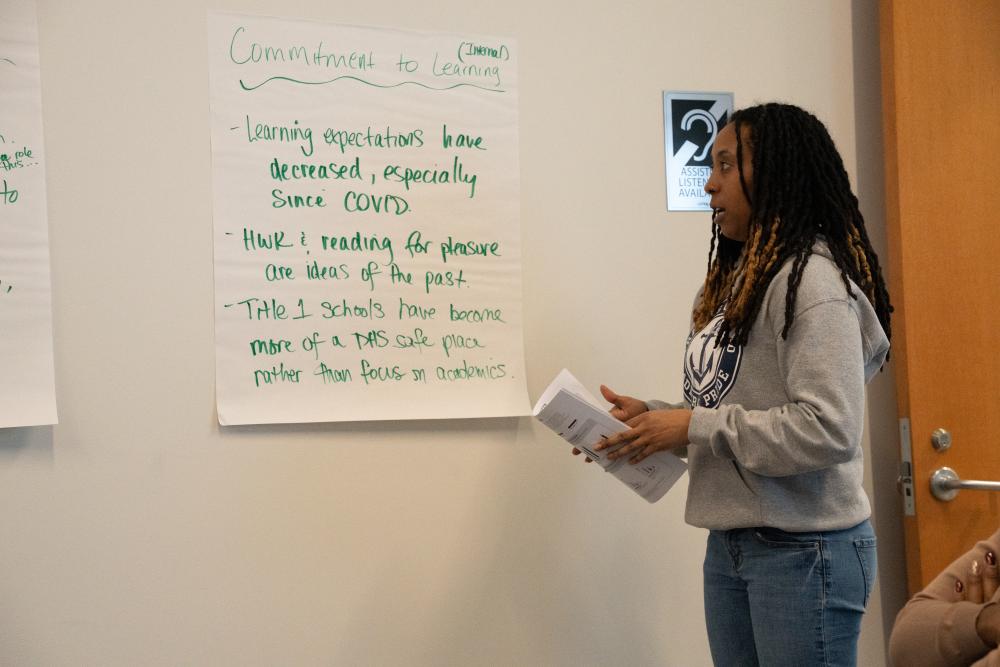
Along with these external assets, the workshop underscored the significance of internal assets, which focus on the personal character strengths, social-emotional skills, and attitudes that youth need to thrive. Dr. Temi emphasized the importance of a commitment to learning. When youth are encouraged to believe in their capacity to learn and grow, they are more likely to pursue education with a sense of purpose and resilience.
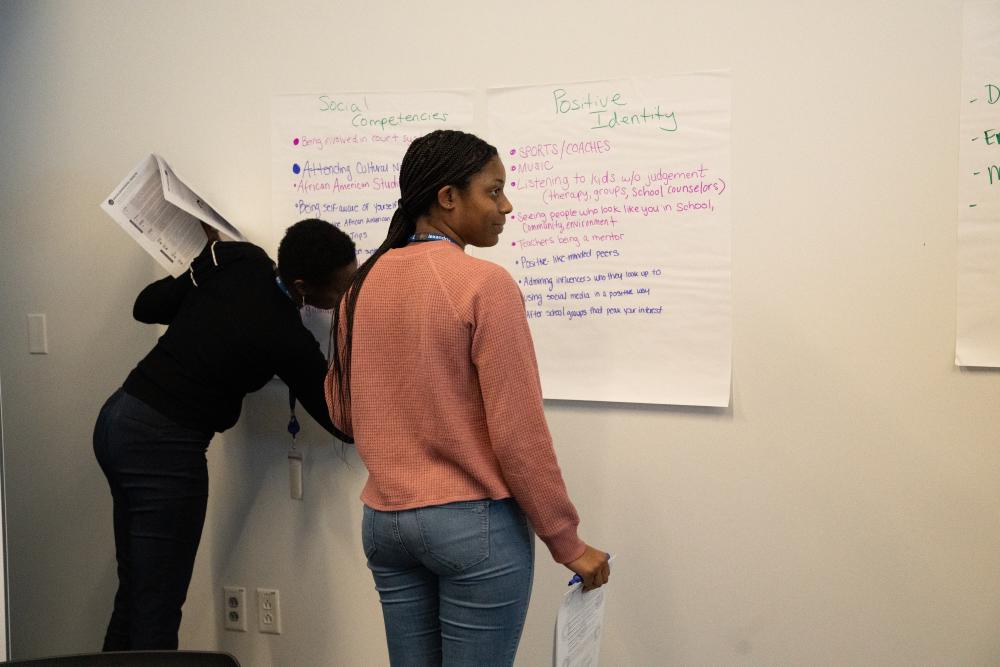
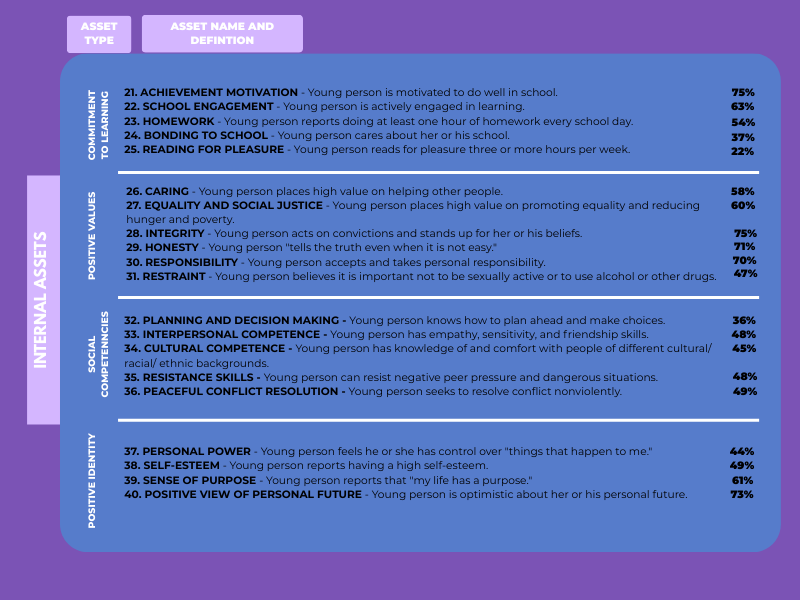
Positive values were highlighted as a essential internal asset. Young people need to develop strong guiding principles to help them make healthy life choices. These values act as a compass in navigating complex situations and moral dilemmas. Young people need the social skills to interact effectively with others, make difficult decisions, and cope with new situations. These social competencies help build self-confidence and ensure that young people are equipped to handle the challenges that life throws at them.
Lastly, the workshop touched on the importance of a positive identity. Young people need to believe in their own self-worth and feel they have control over the events and choices in their lives. A strong sense of self is crucial for overcoming adversity and taking ownership of one’s future. The presence of these assets can vary based on factors such as gender, grade, geographic location, and home or school environment. There is a gap in the assets acquired by youth, and understanding these disparities is essential to ensure that all young people have access to the same opportunities for growth and success.
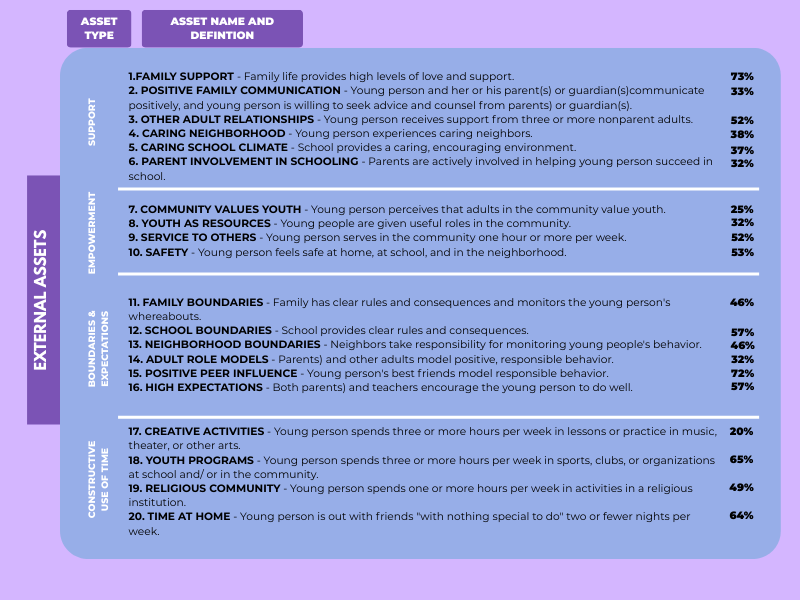
The charts included in this passage show the eight areas of human development and group the 40 Developmental Assets by these categories. The percentage of young people shown who report experiencing each asset were gathered between June 2012 and May 2015 from the administration of the Search Institute Profiles of Student Life: Attitudes and Behaviors survey in schools and communities across the United States.