
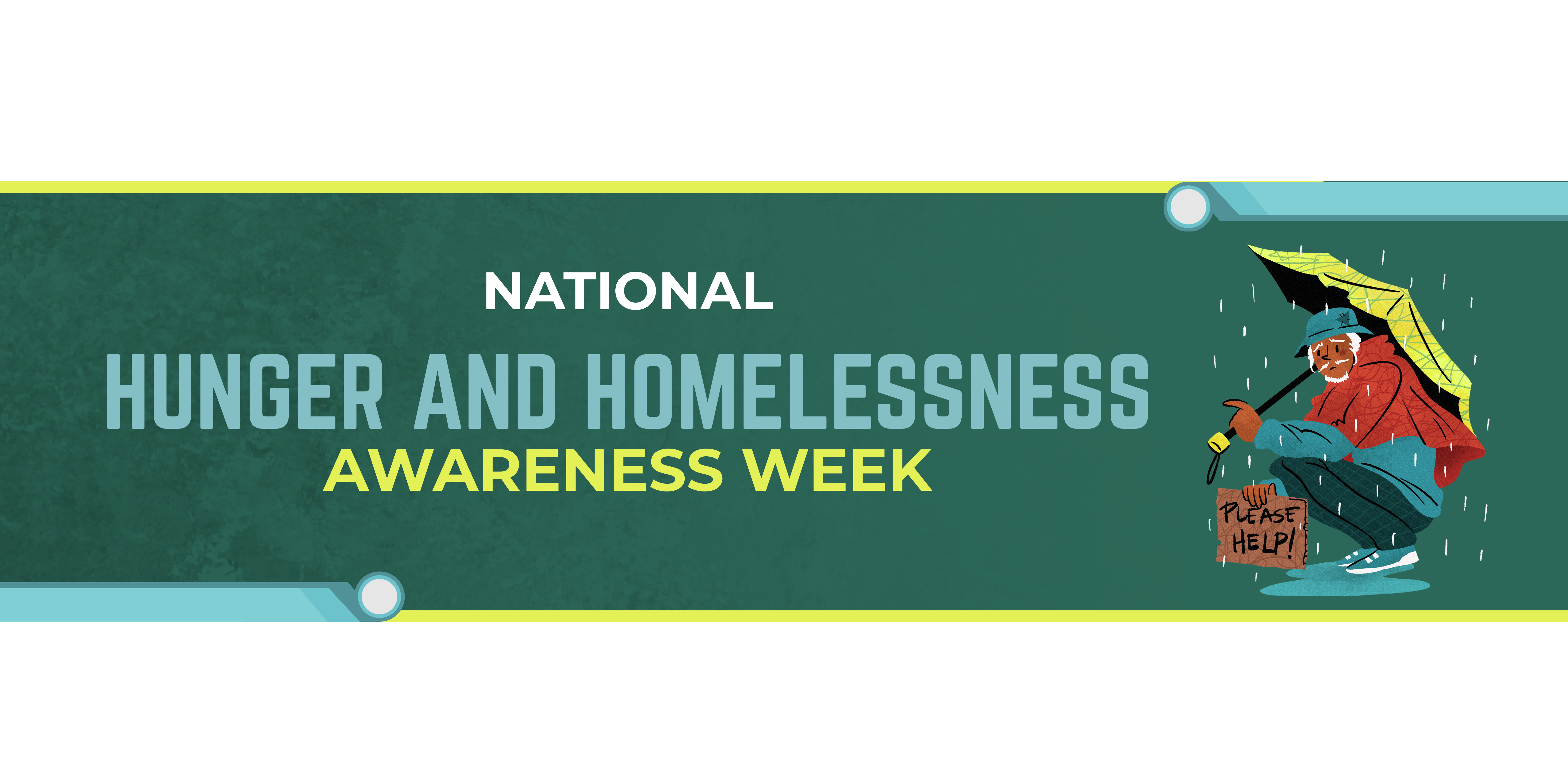
National Homelessness Awareness Week takes place November 16-22. The City of Alexandria’s approach to homelessness is framed through a “Continuum of Care” model: prevention, shelter, transitional supports, and permanent housing, all coordinated across agencies. DCHS manages many core interventions, often in partnership with nonprofits such as Carpenter’s Shelter, ALIVE!, faith-based organizations, and community lodgings.
Services & Supports
Some key programs and resources offered by DCHS:
·Eviction & Foreclosure Prevention: DCHS offers rental assistance, meditation services, and landlord-tenant support to keep households stable.
·Homeless Services & Screening: Individuals seeking emergency shelter can be screened at a central assessment point (4850 Mark Center Drive) or through phone call and text (703.746.5700 or 703.346.5599)
·Warming & Cooling Centers: During extreme temperatures, libraries and recreation centers serve as warming (winter) or cooling (summer) centers.
·Coordination with Behavioral Health & Other Services: DCHS coordinates with the Alexandria Health Department, community health partners, and behavioral health services to support holistic care for clients.
·Domestic Violence Response: Recognizing the strong link between domestic violence and homelessness, DCHS supports safe housing and rapid housing solutions for survivors.
Addressing Hunger: A Critical Part of the Conversation
Hunger and homelessness are deeply intertwined challenges that many people face. Many households here in Alexandria who are experiencing or at risk of homelessness also struggle to afford nutritious food, particularly as housing costs and grocery prices continue to rise.
Some key programs and resources offered by DCHS and partners:
·ALIVE! Operates multiple food distribution sites, pop-up pantries, and monthly food hubs across the city. They also provide grocery delivery for eligible seniors and residents with disabilities. Learn more or find locations at alive-inc.org
·The Alexandria Community Shelter , Carpenter’s Shelter and Winter Shelter offer meals and access to food resources for individuals and families in temporary housing programs
·SNAP (Supplemental Nutrition Assistance Program) and WIC (Women, Infants, and Children) benefits through its Workforce Development Center and online at alexandriava.gov/DCHS
·Neighborhood Resource Centers and local food hubs, such as Food Assistance | City of Alexandria, VA those also help distribute food and connect residents to longer-term supports.
Centering Equity and Lived Experiences
DCHS’ Continuum of Care has worked to embed equity into its practices:
·The Racial Equity Action Committee (REAC) aims to address racial disparities in homelessness, particularly overrepresentation of Black residents among the homeless population.
·There is an effort to compensate individuals with lived experience for their participation in planning and evaluation. Recognizing their voice is critical in designing effective services.
·Alexandria’s Strategic Plan to End Homelessness (approved in 2023) frames two central pillars:
o 1) addressing persistent racial disparities
o 2) centering voices of those with lived experience in policy
How the Community Can Get Involved in Addressing Homelessness
National Homelessness Awareness Week (and related observances) is more than symbolic. It offers opportunities for mobilization, education, and advocacy. Here’s how communities like Alexandria can make it count:
1. Raise local awareness: Sharing stories of people who have experienced homelessness or are still experiencing homelessness, hosting panels or forums (including voices with lived experience as seen in this video), and engaging local media can help humanize the issue.
2. Promote local resources & points of contact: Publicizing how to connect with DCHS (e.g. phone/text 703.746.5700 of 703.346.5599, walk-ins at 4850 Mark Center Dr.) ensures more people in crisis know how to access support.
3. Volunteer & partner with shelters/ organizations: Nonprofits like Carpenter’s Shelter welcome volunteers, donations, and advocacy. Shelter partners, outreach teams, and day centers often need extra hands, supplies, or support during the week.
4. Support data-informed solutions: Continuous improvement in local data (e.g. real-time tracking, outreach reporting, built-for-zero-style systems) will help Alexandria and its partners respond effectively.
5. Foster cross-sector collaboration: Homelessness intersects with health, mental health, workforce development, public safety, and education. Encouraging agencies to coordinate closely can reduce duplication and improve wraparound support.
List of community resources available to unsheltered individuals: English | Spanish