
Mental Health affects every community, but not all communities experience the same access, trust, or outcomes when it comes to care. For Black, Indigenous, and People of Color (BIPOC) in Alexandria and across the nation, there are significant barriers to receiving timely, appropriate mental health support. That’s why DCHS is actively working to promote equity in behavioral health through culturally informed care, community partnerships, and expanded access to services.
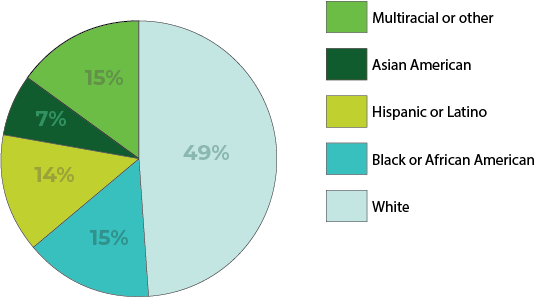
According to data from the National Institute of Mental Health and the Substance Abuse and Mental Health Services Administration (SAMHSA), here is a glimpse of adults who received mental health services in 2022:
- White adults: 49%
- Black or African American adults: 15%
- Hispanic or Latino adults: 14%
- Asian American adults: 7%
- Multiracial or other: 15%
Despite representing a significant portion of the population, BIPOC groups are underrepresented among those receiving treatment, often due to stigma, systemic barriers, and a lack of culturally responsive services.
Why the Gap?
BIPOC individuals may face one or more of the following challenges when it comes to mental health concerns:
Cultural stigma against seeking therapy or psychiatric help
- Language barriers or lack of bilingual providers
- Historical distrust of medical and mental health systems
- Underdiagnosis or misdiagnosis of conditions like depression or PTSD
- Limited access to providers from similar cultural or racial backgrounds
These factors can leave individuals without care or support until a crisis arises.
DCHS offers inclusive and culturally aware behavioral health services that serve the City’s diverse population. Key efforts include:
- Diverse behavioral health staff from all backgrounds and interpretation services
- Ongoing anti-racism and cultural humility training for mental health professionals
- Outreach to immigrant, refugee and underserved communities
- Peer support specialists who share lived experience with recovery and community challenges
- Collaboration with faith-based leaders and trusted community groups to reduce stigma and promote wellness
DCHS provides or connects residents to:
- Individual and family therapy
- Mental Health crisis support
- Substance use and recovery programs
- Trauma-informed counseling
- Support groups and peer recovery communities
- School-based mental health services for youth
Mental wellness should be a right, not a privilege. By investing in culturally competent care and confronting systemic barriers, DCHS is helping to ensure that every Alexandrian regardless of background has the support they need to heal, grow and thrive.