Four Core Principles of the Natural Resource Management Plan
Management
The City of Alexandria uses science-based management, focused on best management practices. This means that decisions are made by consulting academic research and verified methods when interacting with natural lands and resources.
Conservation
The City of Alexandria protects natural lands from disturbance. Disturbance can come from development, encroachment of private property, invasive plants and pests, or climate change.
Restoration
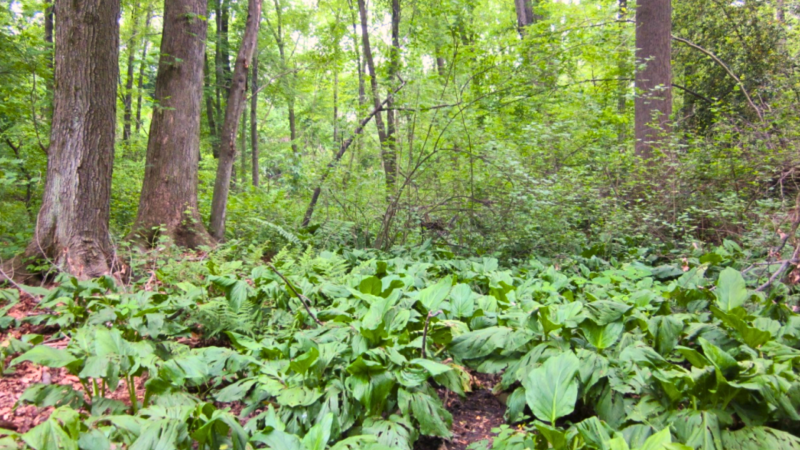
The City of Alexandria restores natural lands when necessary. The rich history of Alexandria means there is a long history of ecological disturbance, even in areas that look like natural wildlands. The City helps restore ecosystems for native plants and wildlife, and their ecosystem services.
Community
The City of Alexandria connects its natural resources with its community. Connecting the community to natural resources provides learning opportunities, civic engagement, and better quality of life. This can include education, recreation, and volunteering.
2019 Natural Resource Management Plan
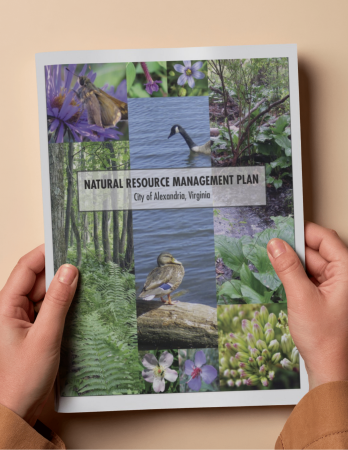
The City of Alexandria’s 2019 Natural Resource Management Plan represents the City’s development of a strategic course of action for preserving, protecting, and sustainability in managing Alexandria’s natural resources and native biodiversity. This plan aligns with other initiatives and policies adopted by the City over the years, while expanding on them by specifically addressing natural resource conservation and management.
Natural Resource Inventories
To protect local natural resources, they must first be located and identified. A natural resources inventory (NRI) identifies and describes important naturally occurring resources within a given locality via descriptive and geographic data. A comprehensive NRI provides the basis for land conservation planning and facilitates the incorporation of natural resources information into local land-use planning and zoning. An NRI can be useful to document current conditions, educate the public, and identify and protect important plants, wildlife, and habitats, among other benefits. To date, surveys have been completed for geology and vegetation.