
Department of Community & Human Services
On behalf of the staff, participants, volunteers, and partners in our work, I am proud to share the Department of Community and Human Services’ (DCHS) Annual Report. This report reflects our collective drive to achieve the vision of the Department that all residents of Alexandria enjoy a sense of well-being, safety, and self-sufficiency.
Some of the critical elements that have enabled us to make progress toward this vision include our deeply committed staff providing effective and responsive services, the resilience and strength of the individuals engaged in our services, and the many partners providing key resources throughout our community.
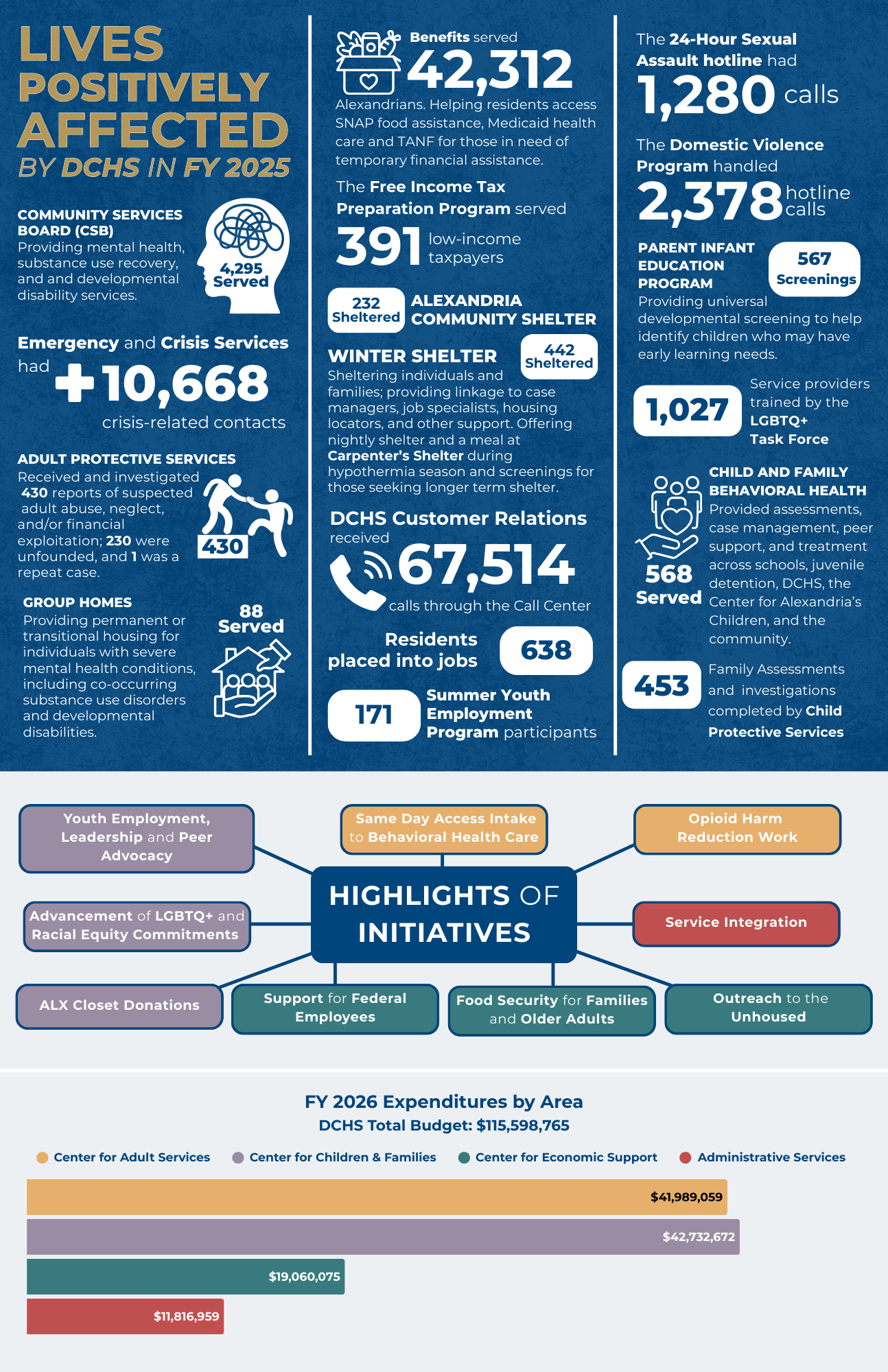
You will see in this report that more than 40,000 Alexandrians participated in DCHS services ranging from Medicaid coverage to mental health services to domestic violence advocacy. Services were provided across the life span, with more than 560 infants and toddlers receiving early intervention services through the Parent Infant Education program and more than 430 older adults supported through Adult Protective Services. The Department’s unified structure makes it possible to provide comprehensive and integrated services across life domains and the life span.
There was also much work done to strengthen our systems, including the continued implementation of the Age Friendly Plan, the unification of Same Day Access for behavioral health care to include adults, children, and youth and carrying out extensive listening sessions with more than 1,000 youth to understand their priorities and concerns to inform the next Children and Youth Community Plan.
We are fortunate that all of this work takes place in a community where kindness and generosity are the norm. Alexandria is a place where remarkable things are possible because of the shared commitment to creating a community where all residents can succeed and the understanding that we all have a part to play in that creation.
We are grateful for the support and guidance of our Boards and Commissions, the Mayor and City Council, the City Manager’s Office, city and non-profit partners, the community, the participants of our programs and our many volunteers. We benefit daily from your investments and your insights. We hope that all who read this report are able to recognize the important contributions and efforts made by all involved.
Many thanks for your support.
MISSION
The Department of Community and Human Services provides effective and essential safety net services that measurably improve or maintain the quality of life for Alexandrians.
VISION
The Department of Community and Human Services envisions a community in which residents enjoy a sense of well-being, safety and self-sufficiency.
Departmental Highlights
Organizational Development and Equity (ODE) Organizational Development and Equity (ODE) continued to build a culture of belonging in collaboration with the Racial Equity Core Team (RECT.) RECT members attended the Facing Race National Conference, returning motivated to operationalize co-governance, economic mobility, and strengthen peer networks. The Black, Indigenous and People of Color (BIPOC) and the White Allies for Racial Equity (WARE) caucuses held monthly sessions for employees and provided additional opportunities for staff to process collective grief and dialogue openly about workplace equity. ODE responded to Department requests for consultations about workplace culture, normalizing equity with staff, community engagement, cultural humility and led the two-year Departmental Equity Action Plans.
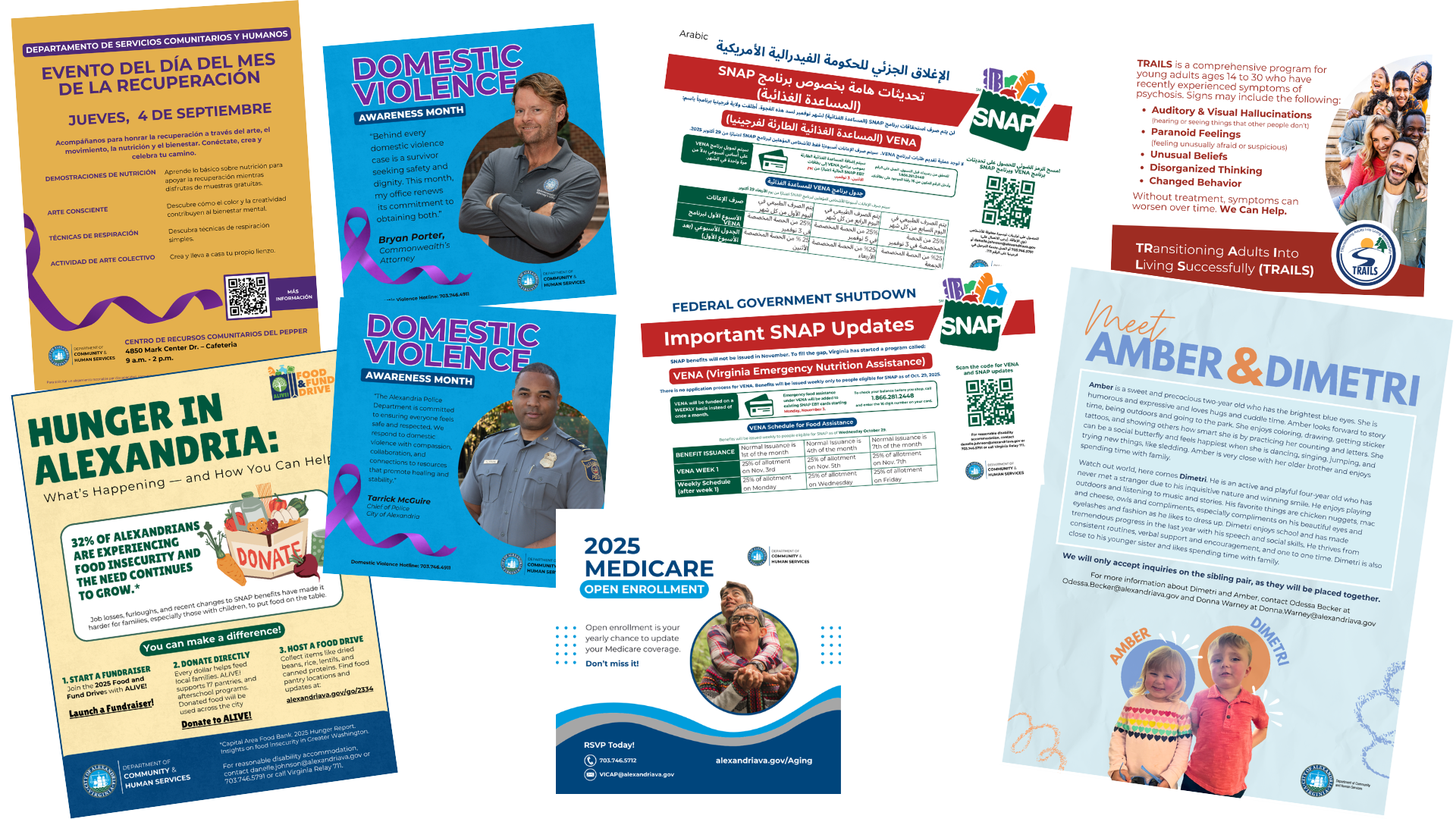
The DCHS Communications Team led the strategic dissemination of behavioral health and human services information, supporting a range of internal and external initiatives. The team expanded its photography and video production to spotlight the progress of DCHS clients and programs, using storytelling to educate the public, celebrate resilience, and combat stigma. To amplify outreach, a new Instagram page was added to DCHS’s presence across Facebook, X, the City website, the Connect newsletter, Council Digest, eNews, and a variety of news releases and flyers. The Communications Team also responded to media inquiries to help shape accurate coverage and facilitated timely responses to Freedom of Information Act (FOIA) requests. The spread of outreach materials shown reflect the creative and culturally responsive approach to public engagement.

Friends of the Alexandria Mental Health Center spent $89,334 utilizing donations of $65,200 and reserves from the pandemic to respond to the emergency needs of Alexandrians who participate in mental health services through the CSB. The funding disparity, largely driven by the $41k that Friends spent helping people stay housed, left Friends with few resources. Other expenditures were for medical/dental needs, utilities, food and clothing, furniture, transportation, childcare/camps, and job/educational training. Friends rallied in effort to find other groups to help address the needs that fall through the cracks and ramped up their fundraising efforts.
The Quality Assurance Team led the Department through audits conducted by the Virginia Department of Behavioral Health and Developmental Services, the federal government, and managed care organizations. Based on audit findings and for continued compliance and best practice, the team supported program staff in implementing corrective action and improvements.
The Alexandria Fund for Human Services (AFHS) managed by the City of Alexandria Department of Community and Human Services (DCHS), through a competitive grant making process made grants awards to a cadre of organizations positioned to offer programs and services that respond to emerging and critical human service challenges. An annual City Council appropriation of $1,999,430 in general operating dollars throughout the three-year grant cycle supports the selected programs and services for the current FY 2024-2026 AFHS.
By the Numbers
Collectively, AFHS grantees reported serving 31,762 participants and 22,163 households in FY25. The participants represented 21,238 households.
- Proposed Outcomes Met
- In FY25, 40 of the 48 grantees (or 85%) met or exceeded their proposed outcomes in terms of the number of Alexandrians participating in their program. This included 22 programs/services (or 47%) which exceeded their proposed number by over 20% and 9 (or 19%) which achieved more than double their proposed number.
Reaching Community
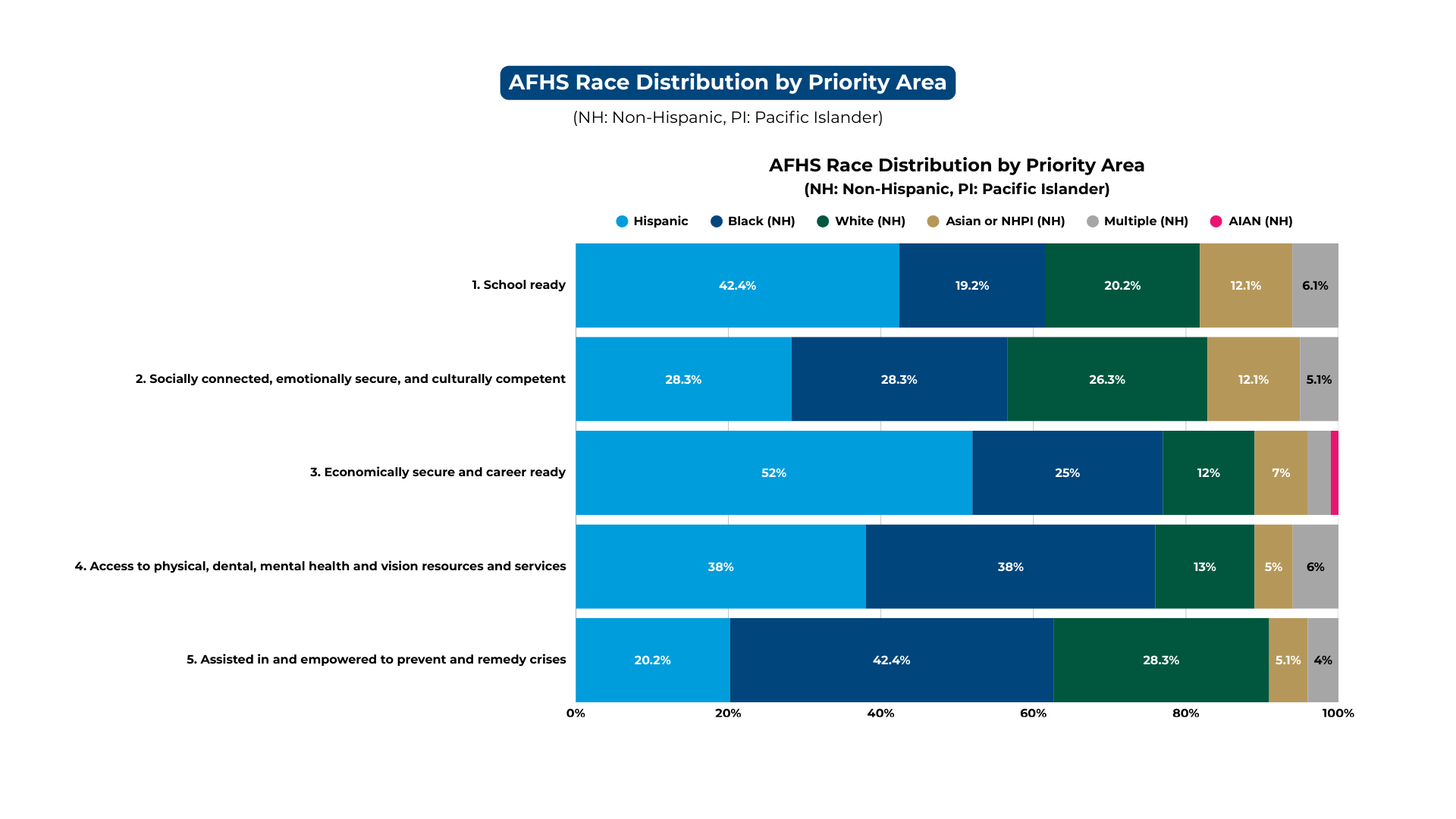
- Hispanic Alexandrians accounted for the largest share of participants in two priority areas: school-ready (#1) and economically secure/career ready (#3). Black or African American Alexandrians accounted for the largest share of participants in one category: preventing and remedying crises (#5). Hispanic and Black or African American Alexandrians accounted for the largest share in near equal numbers for the two remaining priority areas: access to social connectedness (#2) and medical services (#4).
*3. "Economically secure" is the ability to meet basic and essential needs sustainably, including food, shelter, clothing, health care, education information, livelihoods, and social protection.
- Collectively, grantees reported serving participants speaking 36 distinct languages apart from English, from Amharic to Waray. One grantee reported serving participants speaking 22 distinct languages across the two years. Three grantees reported serving participants speaking 10 or more distinct languages. The majority of grantees reported that at least 40% of their participants spoke a language other than English, while more than 1-in-5 grantees reported that most of their participants (80% or more) spoke a language other than English. Spanish is the most mentioned language, followed by Dari/Farsi and then Amharic. Programs also frequently report serving Arabic and Pashto speakers.
The Office of Community Services, in collaboration with The Partnership to Prevent and End Homelessness, Carpenter’s Shelter, and community members, released a video reflecting the personal stories and intricate challenges that led people to become homeless, with many facing circumstances out of their control. This video was shared with the community to reduce stigma and to encourage residents to learn more and get involved in helping others on their path to permanent housing.
In the Annual Point in Time Count, a one-night snapshot of the number of persons experiencing homelessness as defined by the U.S. Department of Housing & Urban Development (HUD), 166 people were identified in the city, a decrease of 11% from 2024, attributed to a transitional housing program opting out of inclusion in homeless services, and a decrease in clients at the Domestic Violence Safehouse due to success in obtaining emergency protective orders along with quickly re-housing clients who entered the Safehouse.
The Food Security Program, with the support of a $100,000 grant from the National Council on Aging, launched the Economic Security & Social Safety Net Initiative to enroll older adults in the Supplemental Nutrition Assistance Program (SNAP) through community and individual outreach activities. From December 2024 to May 2025, 350 SNAP applications were submitted by seniors.
Food distribution partnerships, including DCHS and ALIVE! Food Hubs, provided 132,623 individuals with 572,427 pounds of food. Through a partnership with the Capital Food Area Bank and Agape Church, 12 Mobile Market Food Distribution events were held serving 2,282 households with 9,241 individuals and 13,599 children. In addition, Capital Food Area Bank and partners served 1,537,690 meals during FY25.

The ARISE guaranteed income pilot participants received the final, monthly payment of $500 on June 1, 2025. Originally designed as a 24-month program funded by $3 million dollars from the American Rescue Plan Act (ARPA), City Council voted to extend the payments for five months, funded by $550,000 of local, general funds. ARISE allowed the city to test a bold, new way to ensure people have what they need to make decisions to support their well-being. Early results of a randomized controlled trial (RCT) in partnership with Abt Global showed the largest positive impact was on the participants’ mental wellbeing, including reduced financial stress, increased financial stability, and feeling more patient with their children. Participants reported being able to spend more time with their children. The final report is forthcoming.
The Workforce Development Center (WDC) supported community resource fairs, including Congressman Don Beyer’s fair, to reach out to laid-off federal and contract employees, connecting them to employment opportunities, training, and essential support. WDC also co-hosted a resource fair at George Mason University that served more than 700 job seekers in partnership with community organizations, one-stops job centers, and the Arlington Employment Center.
The Summer Youth Employment Program (SYEP) utilized a best-in-class career readiness curriculum to deliver top-tier training. Youth aged 16+ engaged in an intensive career orientation week followed by a six-week paid work experience, while youth aged 14–15 completed four weeks of career readiness training followed by a two-week paid micro-work experience. The younger cohort explored career pathways through field trips to Smithsonian exhibits, Inova Alexandria Hospital, and Dominion Energy. DASH provided transportation for field trips, and at the SYEP Closing Ceremony, Comcast donated 100 laptops to participants, both companies helping to ensure equitable access to meaningful opportunities.
DCHS Customer Relations received 67,514 calls through the Call Center, provided information and referral for 21,990 calls and responded to 41,259 walk-in requests for clients in need of multi-lingual support in the completion of applications, resolution of case inquiries, assessment and referral for urgent needs to community resources, and a warm hand-off to DCHS human service programs for shelter, food, medical and other assistance.
The Dental, Vision and Hearing Care Program received 338 applications from Alexandrians, providing them with services in more than 200 appointments.
The Free Income Tax Preparation Program served 391 low-income taxpayers and completed returns for 368 taxpayers who received $369,320 in net federal refunds. These refunds included $169,478 in Earned Income Credit. At an average cost of $268 for preparing tax returns, these taxpayers also saved $98,624 in tax preparation fees. This program was supported by 26 tax program volunteers with a total of 897 hours worked in the program.
CES People Served
232 Sheltered (194 households) ALEXANDRIA COMMUNITY SHELTER
442 Sheltered (410 households) WINTER SHELTER
- Sheltering individuals and families; providing linkage to case managers, job specialists, housing locators and other support. Offering nightly shelter and a meal at Carpenter's Shelter during hypothermia season and screenings for those seeking longer term shelter.
538 Households Stabilized EMERGENCY FINANCIAL ASSISTANCE
- Number of households provided with financial assistance for security deposits, rental assistance, homeless prevention, burial, utilities, moving and storage.
42,312 Enrollees Served BENEFITS
- Helping clients access SNAP food assistance, Medicaid health care and TANF for those in need of temporary financial assistance.
WDC Clients Served
- 421 participants in The Virginia Initiative for Education and Work (VIEW), a state program designed to help TANF recipients achieve economic self-sufficiency
169 (40%) of VIEW participants found employment during FY25 with $25.66 being the highest wage reported and 165 (39%) of participants enrolled in education
- 171 youth participated in the Summer Youth Employment Program at 63 worksites including 10 City departments:
- 638 job placements were made through the Business Services Team
- 291 workshops, hiring events, and information sessions were offered
Child Protective Services (CPS) achieved a 100% success rate for absence of recurring abuse of children at the end of FY25. This indicates that over the previous two years, 100% of children with a founded disposition of abuse/neglect who received services from CPS did not experience another finding of maltreatment. CPS also conducted 19 child abuse prevention trainings including mandated reporting and CPS procedures, educating 397 community members.
Child & Family Behavioral Health Services had a 94% decrease in median wait time for services (from 19 days to one day) due to increased programmatic efficiencies and saw a 71% decrease in assessments for medical necessity for residential treatment. Of youth and families surveyed, 98% reported they were getting the help they needed; 99% reported they were always treated with respect.
The Fund for Alexandria’s Child, supported by an advisory council of three volunteer members, raised $92,167 for children in foster care and those at risk of out of home placement to participate in activities that help to normalize their lives, such as athletic teams, dance classes, holiday gift sharing, prom, graduation celebrations, and transportation to jobs and medical appointments.

Holiday Sharing sponsors provided gifts and grocery gift cards to 411 families, and an additional 347 families selected toys at the Community Toy Drive organized with Volunteer Alexandria. The Toy Drive included pictures with Santa, arts and crafts, books, and a hot chocolate bar. A total of 1,713 children received gifts, clothing, books, and/or gift cards. Generous donors also made the holidays brighter for 75 children and teens in foster care and 118 seniors and adults with a disability received grocery gift cards.
ALX Closet was created in August 2024 to ensure that families receiving services at the Del Pepper Community Resource Center have access to necessities such as clothing, diapers, wipes, and formula during challenging times. Within the first year of opening, ALX Closet provided essentials to 965 children.
The 11th Annual Youth Leadership Conference hosted 85 emerging young leaders by providing training and connecting them to resources in the community. To facilitate youth-adult partnerships, the conference culminated in a networking session with 40 community leaders.
The Children and Youth Community Plan coordinator conducted Alexandria’s Youth Needs Assessment, a citywide effort to understand the needs and priorities of young people. Grounded in youth voice and lived experience, the assessment informed the next Children and Youth Community Plan. Sixty-three facilitators were recruited, including 39 youth. Through 94 listening sessions, 1,140 students shared their perspectives to guide future programs and policies.
Kids are Terrific (KAT) Camp high school counselor aids mentored 160 elementary school students during a five-week summer camp that included education on alcohol and tobacco prevention, negative peer pressure reversal, anger management, and nutrition.
The High School Peer Advocate Program comprised 10 students who educated their peers on how to make healthy life choices and informed them about community resources. During the 2024-2025 school year, peer advocates made 500 individual contacts with students and covered nine topic areas, including healthy relationships, consent, substance use prevention, and mental health advocacy.
The Young Adult Peer Advocates (YAPA) program trained seven young adults who facilitated violence prevention programming through the “DO YOU” curriculum to 113 youth in after-school groups and at the Juvenile Detention Center. YAPAS collaborated with the high school peer advocates and youth ambassadors to plan and host Youth Speak Up, where 100 youth and adults gathered over dinner to discuss substance use, birth control, mental health, and peer pressure. The youth planners created a report to capture the discussions and presented it to City leaders.
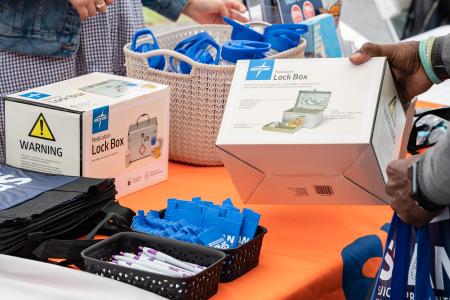
Through two Drug Take Back Day events and medication collected from Alexandria’s three permanent drop boxes, the City safely disposed of 2,176 lbs. of unused and expired medication.
The Project Discovery Advisory Board that supports first generation college students awarded six high school seniors and three alumni $37,500 dollars in college scholarships.
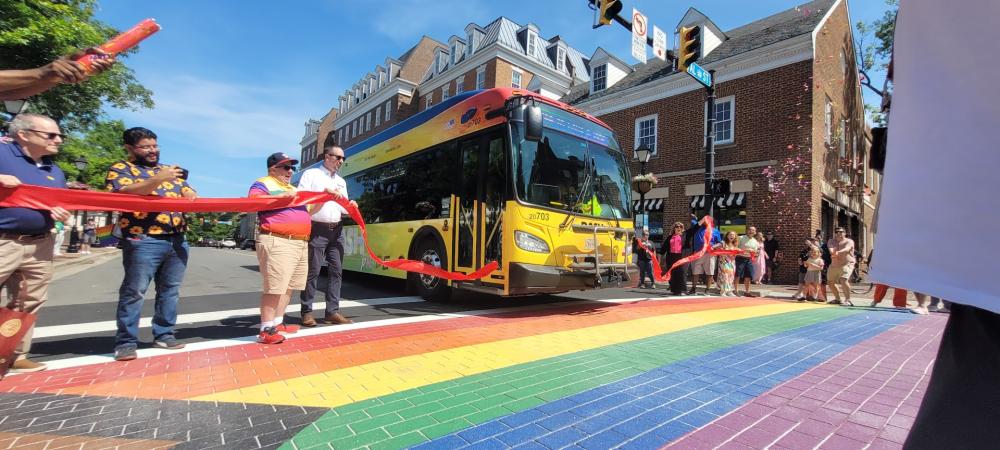
The Alexandria LGBTQIA+ Task Force rostered 150 members with 15 agencies represented. They partnered with the City Race and Social Equity Office and City Human Resources to host a Pride Lunch for 60 City staff and employees. The Task Force exhibited at the first West End Business Association Pride event for 250 attendees, and at the Alexandria Pride Fair 2025, there were 100 exhibitors and thousands of people in attendance.
The Domestic Violence Program handled 2,378 hotline calls and supported 55 adults and 46 children in the Safehouse with the help of 34 volunteers. The program provided advocacy services for 654 adults with 6,003 service contacts and provided 64 Community Engagement Activities to 2,261 people.
The Fatherhood Engagement Program supported 20 fathers in navigating the child welfare system, helping them advocate for their rights and maintain relationships with their children. Fathers reconnected with their children, built supportive networks, and gave back to the community, thereby modeling responsibility and leadership for their families. The program also organized memorable family outings, including a Washington Nationals baseball game and a Father’s Day cookout celebrating the positive impact of involved fatherhood on Alexandria families.
People Served
568 Served CHILD AND FAMILY BEHAVIORAL HEALTH
- Providing assessment, care coordination, case management, peer family support, and treatment services in schools, the juvenile detention center, the Del Pepper Community Resource Center, and in the community to ensure access and streamlined services.
567 Developmental Screenings PARENT INFANT EDUCATION PROGRAM
- Providing universal developmental screening to help identify children who may have early learning needs before they enter the classroom. 368 children received ongoing PIE services.
1,280 Calls 24 HOUR SEXUAL ASSAULT HOTLINE
- Providing multi-lingual crisis intervention to victims affected by intimate partner violence and sexual assault with the support of 22 volunteers who provided 6,706 service hours.
8,575 Engaged SEXUAL ASSAULT COMMUNITY OUTREACH
19,494 Engaged YOUTH DEVELOPMENT
- Youth Development, the Alexandria Campaign on Adolescent Pregnancy and the Substance Abuse Prevention Coalition of Alexandria engaged 16,872 youth and adults through evidence-based programs, support services and educational programs.
1,027 Trained LGBTQIA+ TASK FORCE
- Offering training to service providers on how to build safe and inclusive services. Participants included law enforcement, school staff and students, counselors, firefighters and more.
166 Service Reviews Children’s Services Act Unit
- Working to keep the city’s most vulnerable youth in their community for behavioral health care. Of the clients served, 92% participated in treatment at home in community-based settings as opposed to residential programs.
1,449 Allegations CHILD PROTECTIVE SERVICES HOTLINE
- Receiving and responding to concerns of abused or neglected children and working to ensure their safety. Of the 1,449 allegations made to the hotline, 453 led to a family assessment and investigation.
The Same Day Access (SDA) program, which previously served as the main point of entry for adults seeking behavioral health services, expanded to serve as intake for children age 5+. Intake coordinators responded to 5,666 calls and 1,770 walk-in clients. Initial contacts included general inquiries, linkage to community resources, and referrals for clinical assessments. From these clients, two SDA therapists completed 622 clinical intakes (109 veterans, service members, military family members) to support timely access to care for uninsured, Medicaid-covered, and privately insured clients.
The Marcus Alert program reached one year of implementation in July 2024, improving the City's responses to behavioral health crises. A Post-Crisis Outreach Team of two clinicians, launched in November 2024, and engaged more than 150 individuals following mental health crises, helping them connect with services and work towards stability in the community.
The Crisis Intervention Team (CIT), a partnership between DCHS and the Alexandria Police Department that trains first responders to de-escalate mental health crises and connect individuals to mental health care, maintained a custody to treatment transfer rate of greater than 95%, allowing police officers to remain on the street and residents to access appropriate services in lieu of possible incarceration.
The Transitioning Adults into Living Successfully (TRAILS) program served 42 young adults who experienced first-time psychosis. Eight achieved school enrollments with five pursuing college degrees and others pursued employment or successfully obtained employment. The Young Adult Program, a collaboration between the West End Wellness Center and TRAILS, met weekly and was consistently attended by 8-10 clients who engaged in activities that increase independent living skills and socialization, including mock interviews, a cooking competition, and financial literacy learning with a local bank.
The Assertive Community Treatment (ACT) Team served 62 clients with severe mental health conditions by delivering mobile services from an interdisciplinary team to help people function optimally and reach their life goals. Notably, individuals newly enrolled in ACT services reduced their cumulative days spent in the hospital and/or jail by 80% in FY2025.
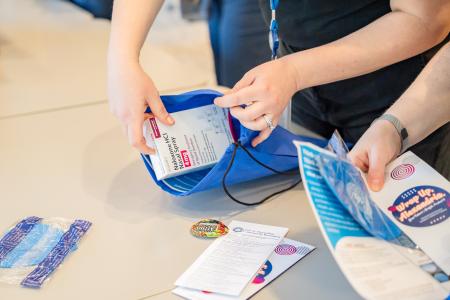
The City Opioid Work Group (OWG) held 23 community-based partner trainings, further expanding collaboration across the city. Together, they distributed 1,074 naloxone kits, increasing lifesaving access. The OWG expanded data dashboards to track the local impact of prevention and intervention efforts and conducted outreach through Recovery Month and International Overdose Awareness Day activities. These efforts reflect the city’s collective commitment to saving lives, reducing stigma, and supporting recovery in Alexandria.
The Division of Aging & Adult Services was recognized by the AARP for its age-friendly leadership, achievements, and continuing commitment toward making a livable community for people of all ages.
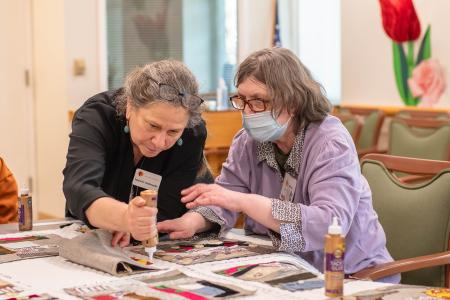
Adult Intellectual and Developmental Disability Services supported 139 clients, a 20% increase from two years ago. The program received eleven waiver slots for Alexandrians, which provided funding for clients to access group homes or move into apartments, start day support programs, gain employment, obtain personal care assistance, companions and assistive technology, allowing them to be more integrated into the community.
People Served
4,295 SERVED Community Services Board (CSB)
- Providing mental health, substance use recovery, and intellectual and developmental services.
10,668 CONTACTS with 998 Unduplicated Clients CRISIS AND EMERGENCY SERVICES
- Providing in-person evaluations for residents with a mental health and/or substance use-related crise. Providing support, access to care, and as needed, civil commitment hearings and Temporary Detention Orders.
88 SERVED GROUP HOMES
- Providing permanent or transitional living arrangements, supported living, supervision and training to promote personal growth for persons with severe mental health conditions including those with co-occurring substance use disorders and developmental disabilities.
65 SERVED WEST END WELLNESS CENTER
- Offering psychosocial rehabilitation for adults with severe mental health conditions through skill building, recreation, and socialization; family support and education; and vocational services to support job placement.
- Offering psychosocial rehabilitation for adults with severe mental health conditions through skill building, recreation, and socialization; family support and education; and vocational services to support job placement.
485 SERVED MENTAL HEALTH & SUBSTANCE USE THERAPY
- Providing individual adult outpatient therapy.
114 SERVED OPIOID TREATMENT
- Providing expanded clinic hours and added services for medication-assisted opioid addiction treatment for adults.
88 SERVED OLDER ADULT MENTAL HEALTH SERVICES
- Providing individual mental health therapy for seniors.
1,051 SERVED PSYCHIATRY
- Providing medical diagnosis, treatment, and prevention of behavioral health and substance use conditions including medication management services.
430 SERVED ADULT PROTECTIVE SERVICES
- Receiving and investigating reports of suspected adult abuse, neglect, and/or financial exploitation. Of 430 reports, 230 cases were founded and 19 were repeat cases.
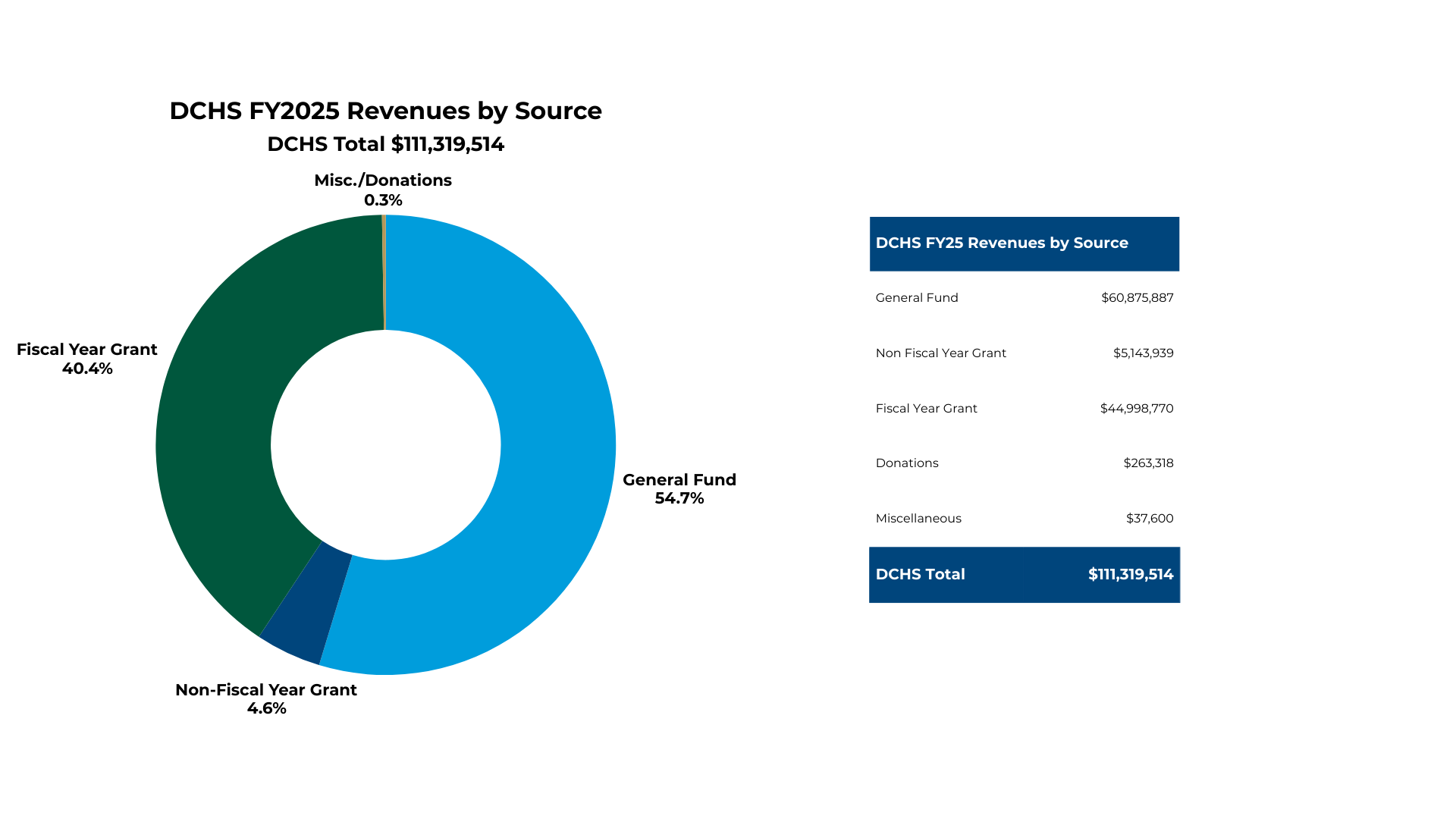
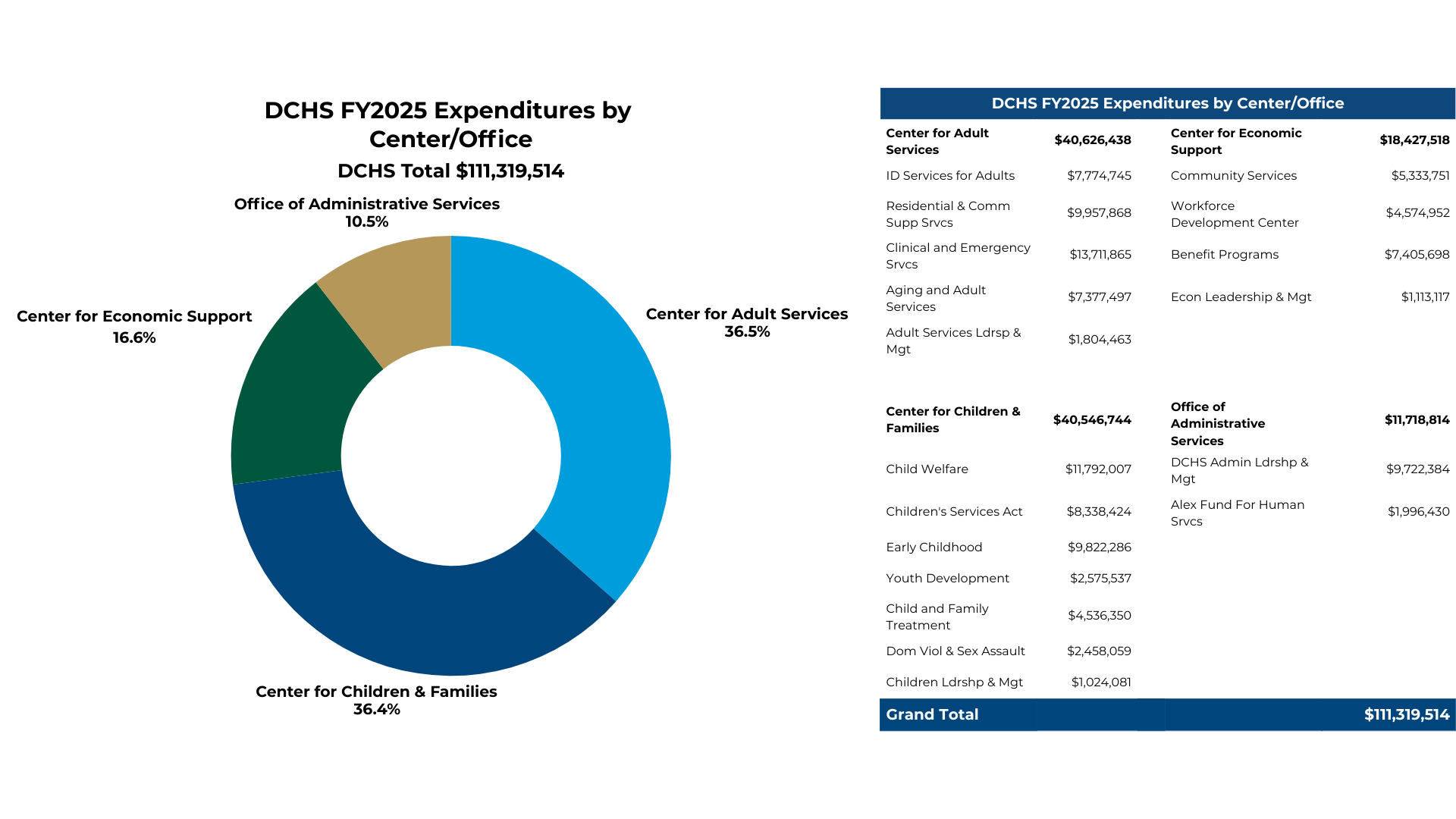
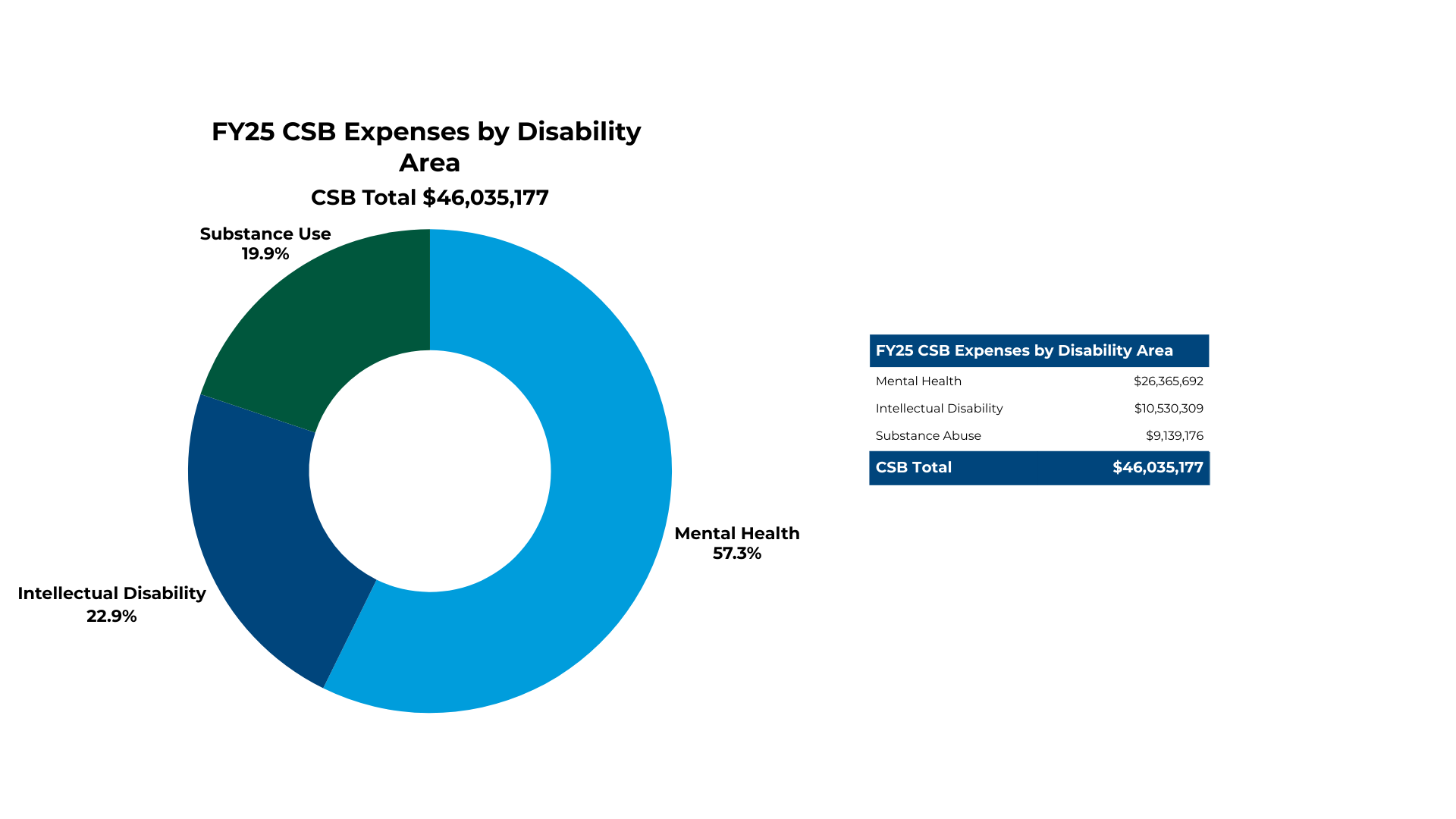
Finance managed a $111 million budget that supported a full range of services for Alexandria residents. Revenues were anchored by the City’s General Fund and federal and state grants, while expenditures were balanced across Adult Services, Children and Families, Economic Support, and Administrative Services. The team ensured fiscal responsibility through accurate forecasting, grant oversight, and compliance with complex regulatory requirements. Their work provided the stability that allowed DCHS programs to expand access to services, respond to community needs, and maximize the impact of every public dollar.
Facilities led DCHS’s emergency planning and response efforts for actual incidents including snow emergencies and the presidential inauguration, as well as potential incidents including active shooters, fires, hurricanes, earthquakes, and tornadoes. The team conducted practice drills and continued work on a comprehensive Standard Operating Procedure to guide the Department's mass-care responsibilities, working closely with DCHS service providers, Communications, and other City agencies including the Alexandria Health Department, the Alexandria Police Department, the Alexandria Fire Department, and the Office of Emergency Management.
Tech Support assisted employees with technical issues across computers and devices while providing user support for critical applications. The team completed the Windows 11 upgrade and maintained support for remote work operations. The team also continued to provide support for key social services and behavioral health databases as well as the Incident Report System and the Personnel System.
Human Resources increased collaboration and efficiency by introducing the usage of digital platforms for onboarding new employees and conducting performance evaluations. Hiring and retention efforts were implemented with a focus on attracting and maintaining a talented workforce of mental health professionals.
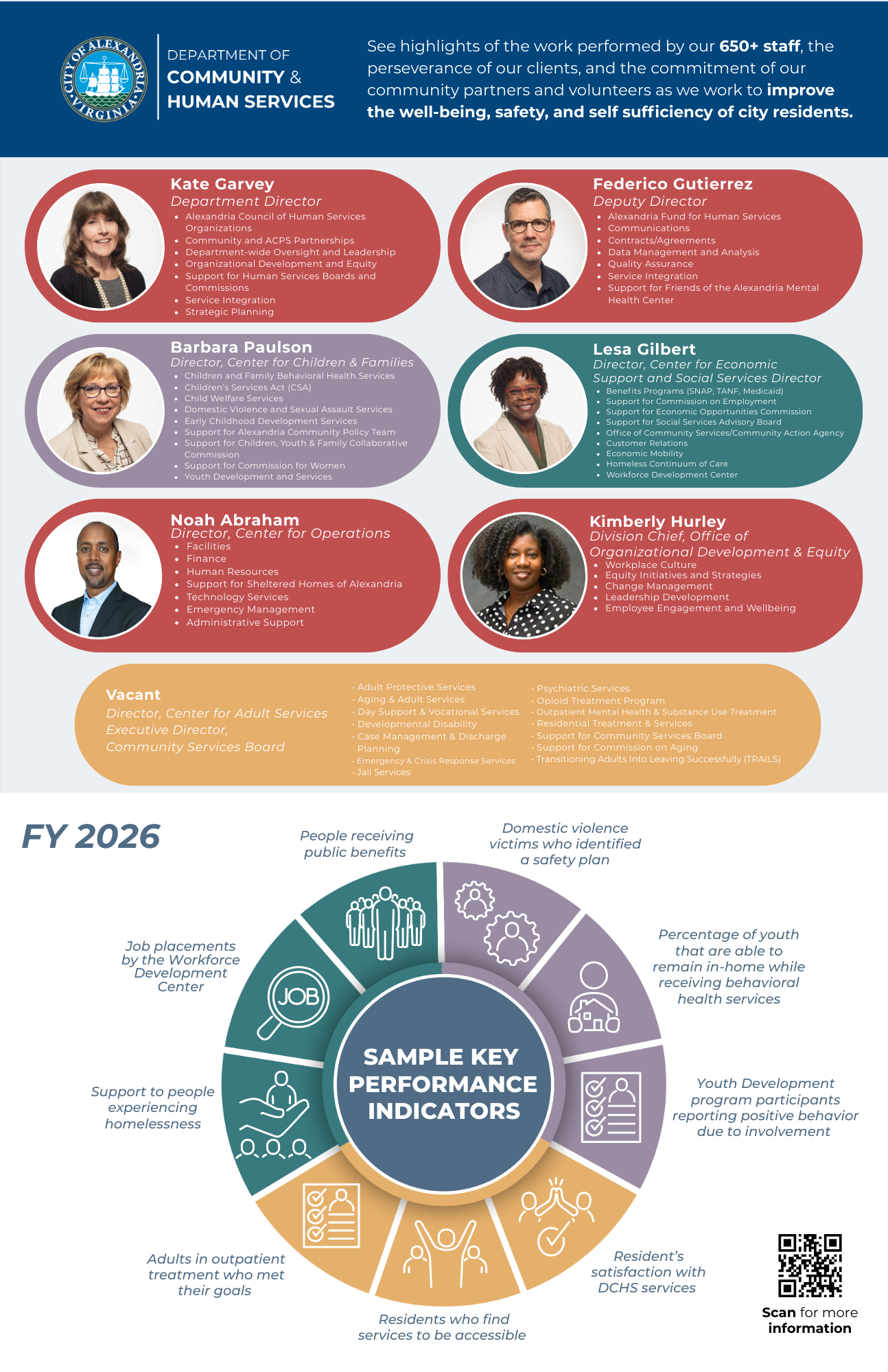
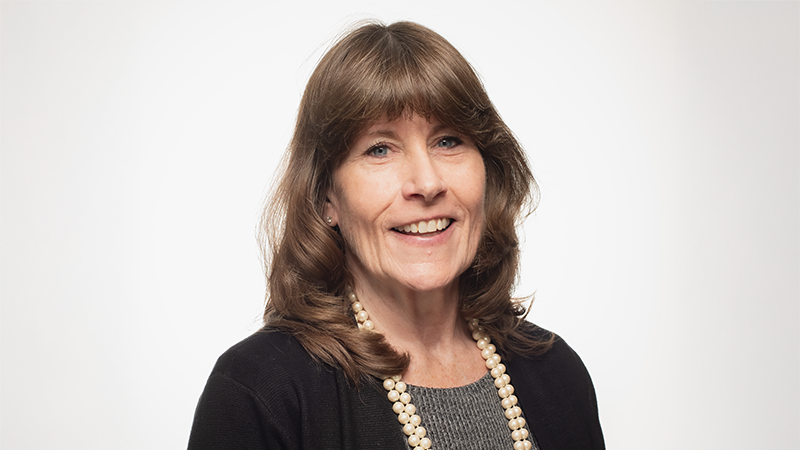
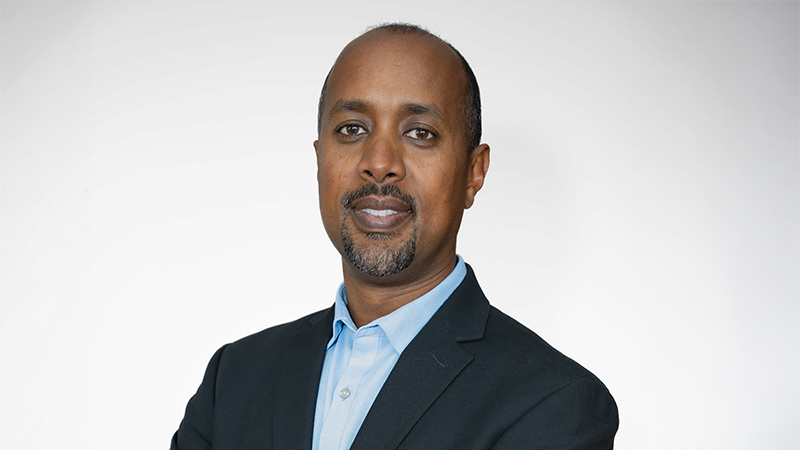
FY 2025 DCHS Leadership Team


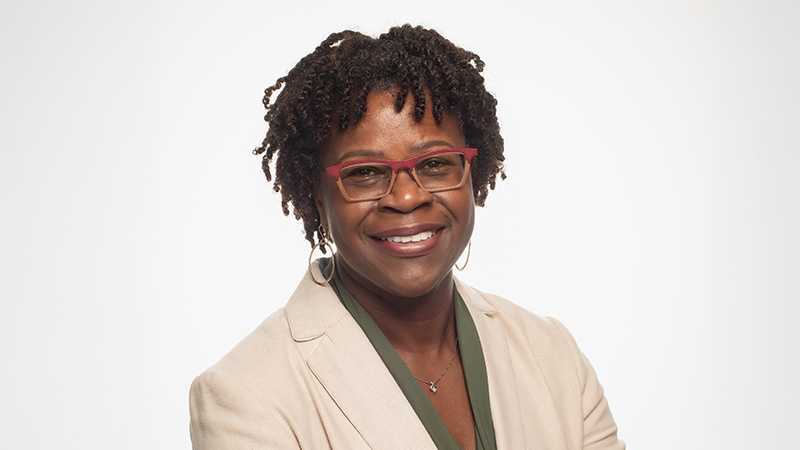
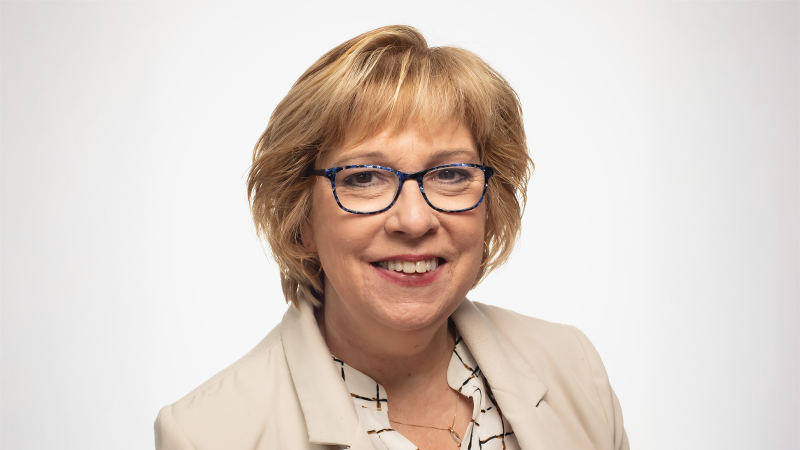

Boards and Commissions
The following boards and commissions provide oversight and guidance to DCHS programs:
The Alexandria Community Policy Management Team (ACPMT) sets policy for and administers the Children’s Services Act.
The Alexandria Community Services Board (CSB) sets policy for and administers Alexandria’s publicly funded mental health, intellectual disability and substance abuse services.
The Children, Youth & Families Collaborative Commission advocates for children and youth, aged prenatal to 21 years, and their families by advising on policies, promoting the City-wide coordination of services and promoting research and best practices.
The Commission on Aging advocates for issues related to aging and promotes the implementation of the Older Americans Act. The Commission advances services that address the needs of older Alexandrians.
The Commission on Employment is responsible for developing the City-wide plan for employment services that reflects the goals of linking existing City employment and training programs with those of the school system and the Alexandria Chamber of Commerce’s economic development program.
The Commission for Women provides consultation to City Council on issues concerning women, with focus on human rights, legislation, HIV/AIDS, the economic and health status of women, breast cancer and domestic violence.
The Economic Opportunities Commission advocates for the interests of the City of Alexandria’s most vulnerable residents. The EOC serves as the commission to Alexandria’s Community Action Agency and advises City Council, the Virginia State Legislature, and the Virginia Congressional Delegation about legislative matters and issues affecting low-income households.
The Social Services Advisory Board monitors the formulation and implementation of social welfare programs and advises City officials on all public welfare matters.
The Workforce Investment Board supports the employment and training needs of the City of Alexandria and Arlington County. They aim to build a workforce development system that prepares the local labor force for the 21st century.
Quotes from DCHS Client Messages
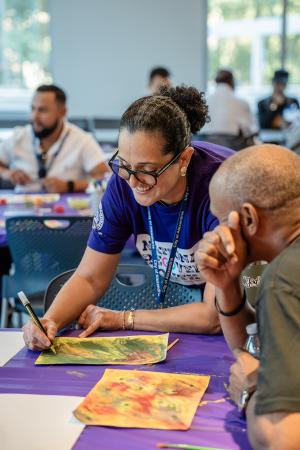
“I just want thank you for your time and efforts in the last week. All of you have great gifts and are doing work that really matters. We appreciate all you did and how quickly you got [my son] through the process.”
“Good morning. I wanted to commend the entire Same Day Intake staff and process. We were very impressed by the modern and inviting offices at 4850 Mark Center, Suite 200. We were greeted warmly and had all the help we needed signing in. My son's intake counselor was Ms. Naesha, and she was very informative and kind. Ms.Paola Navarro did my son's assessment. She was very thorough and helpful to my son. This has been a stressful time for us, and it was so wonderful to get same day services and know what we need to do next. I'm so glad the City of Alexandria has this program.”
“When I first started at the Wellness Center, I was on crack cocaine and PCP, and I didn’t want to live. I didn’t stop using right away, but when I saw that the people here cared about me, I started thinking I should care about myself. The staff and members showed me love, didn’t judge me, and made me feel good. I know there must be hope—because here I am today, waiting to see what’s next. The staff are very loving and caring, and I’m glad that I’m a part of the program. It makes me want to live.”

Note from a parent whose 3-year-old presented with behavioral concerns. The family obtained parenting strategies, developmental assessment, early childhood information and resources, linkage to housing services, and child-care. They were approved for housing to accommodate their infant with special developmental needs and began receiving developmental services through the PIE Program. The 3-year-old was enrolled her first preschool opportunity where she has no behavioral concerns and has decreased concerns at home.
“Thank you so much for your support, availability, and efficiency. I truly appreciate all the information and help you’ve provided. You’ve been so kind and helpful throughout this process, and I’m very grateful for your guidance and care… Your visit and guidance have been a real blessing for my family. Please know that your help means so much to us.”
“Thank you for caring and trying to understand. It means a lot. I am also thankful I somehow trust you. It is so hard for me to trust… I know you care about your job and want to do it right. We need more people like you, Mesha and Daphne… You are already making a big difference just because you care. It's not just about material, financial help... It's a story of human kindness transferred through a spirit of HOPE. Thank you for giving me a chance to get better, to have security, a home, an address, a roof over my head…”
“All of my classes during their sessions gave feedback that they don't feel like anyone listens to them or cares about what they think. One kid pointed out that they felt like change could happen because your people were there listening to them. My heart swooned when he shared that. This partnership is SO meaningful to us and the kids.”

"This group is like a battery, I plug in my phone to charge up so I can last through the week."
"It's really nice to be here and to feel less alone... to know others who have navigated this."
"You guys have been such a lifeline for me."
"I'm proud to be a part of this group."
"I'm coming away from group today with a reminder of the love and the good in people..."
ACT completed a fidelity review with external reviewers who commented that staff “are all passionate about the work they are doing, they communicate well with each other, and they are making efforts to focus on overall dimensions of wellness…The team as a whole was embracing practices related to employment and education support.”