
Native Plants
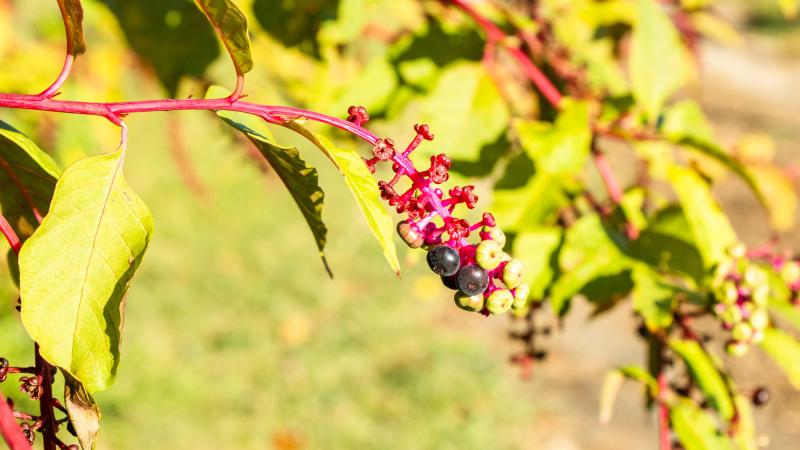
Native Vascular Flora of the City of Alexandria
Native plants are those that naturally occur in a region, ecosystem, or habitat. These plants are often best suited to handle the specific environmental conditions of their native range and support the native wildlife that they have formed symbiotic relationships with over thousands of years.
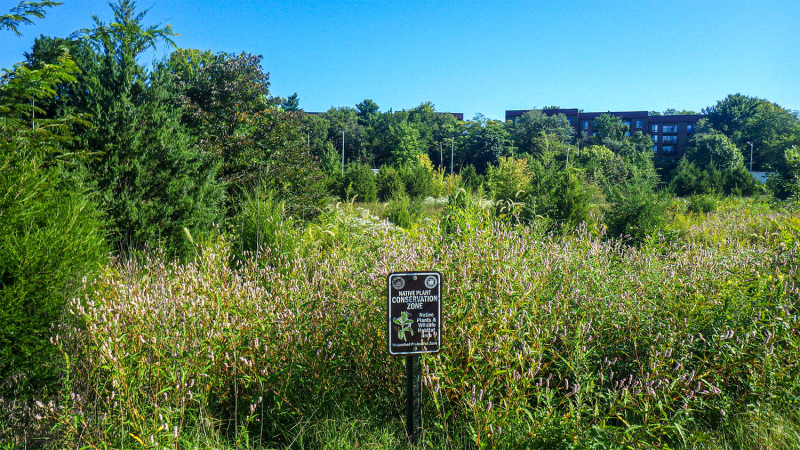
Additional Resources for Native Plants
- 2015 Native Vascular Flora of the City of Alexandria, Virginia report
- 2010 Report for native plants and natural land restorations: Keeping it Natural
- 2008 Noteworthy Collections article in Castanea: Noteworthy Collections Update
Plant Your Neighbors
Why Should I Plant Natives?
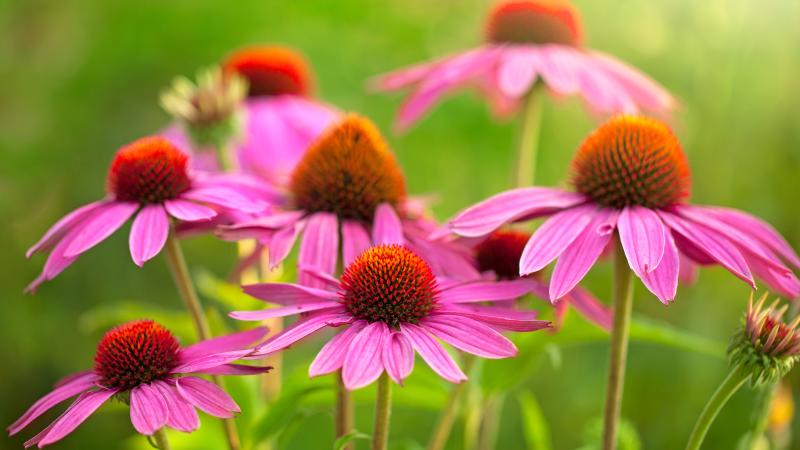
• Support wildlife: Native plants provide food and habitat for birds, butterflies, and native bees.
• Easy to grow: Adapted to local soil and climate, native plants are often hardier and more resilient.
• Naturally beautiful: Many native plants offer vibrant colors and unique beauty for any garden.
What Are Some Plants Native to Virginia?
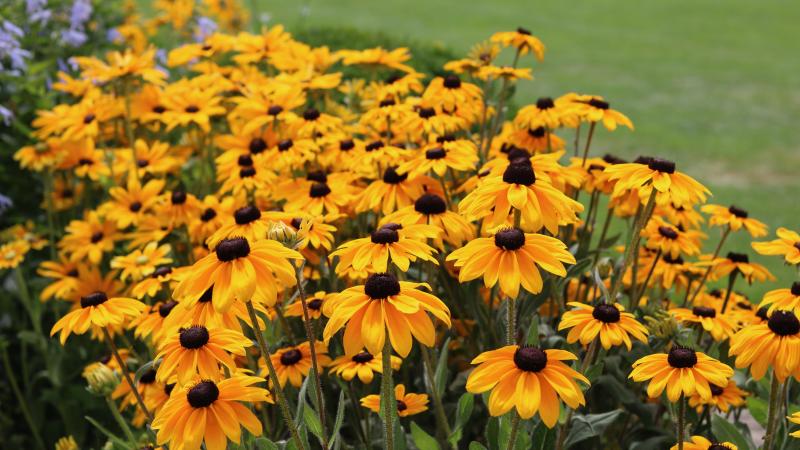
- Black Eyed Susans
- Common Milkweed
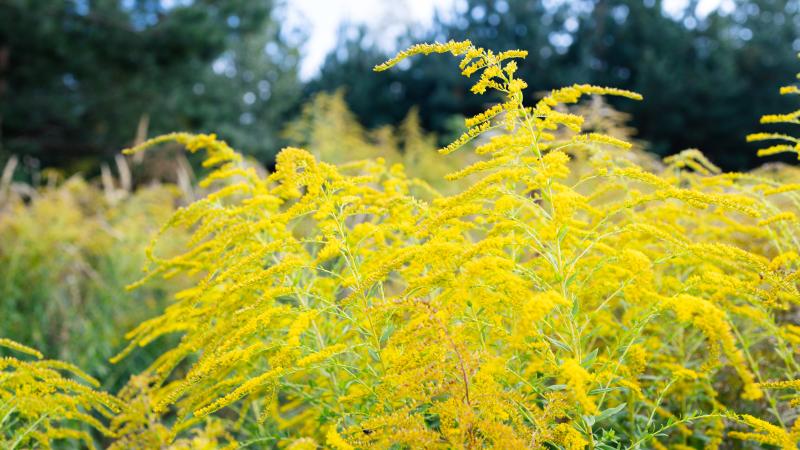
- Goldenrods
- Eastern Purple Coneflower
Where Can I Get Native Plants?
- Earth Sangha is located in Springfield, VA
- Bonne Terra is located outside Washington D.C.
- Brandywine Conservancy is located in Chadds Ford, PA
- Selected by RPCA’s Natural Resources Division for the Seed Library for quality, conservation, biodiversity, and long-lasting garden success.
Spring Ephemerals
Bloom Timing
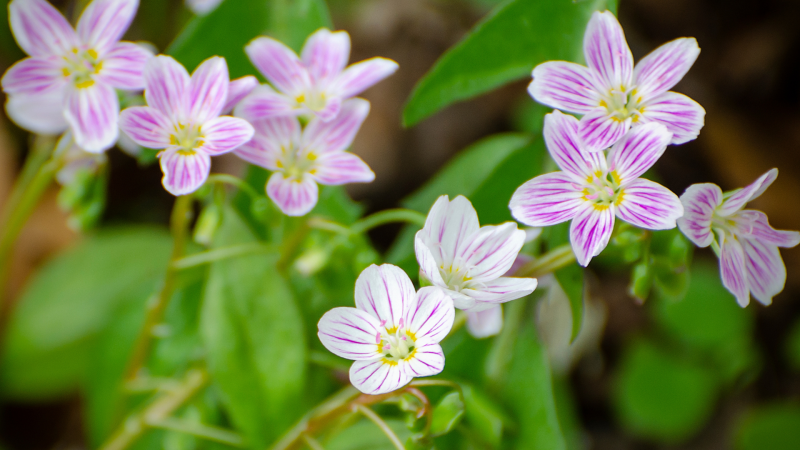
Spring ephemerals are woodland plants that emerge and flower in late winter and spring, while the trees are still bare and light reaches the forest floor, disappearing for another year once the branches leaf out.
Notable Species
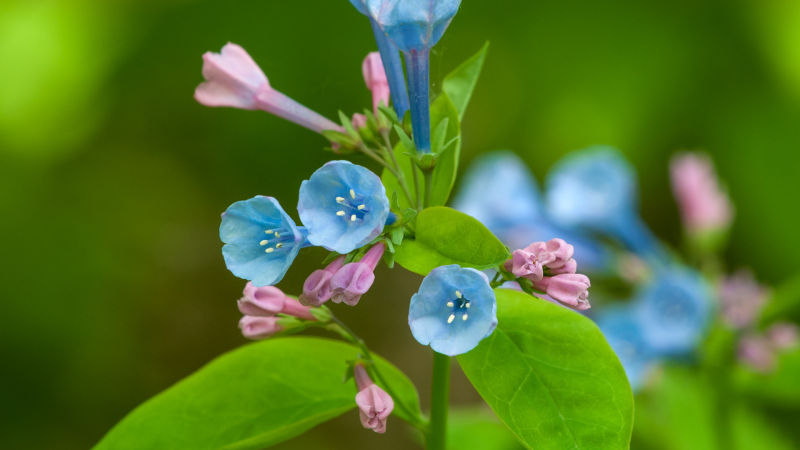
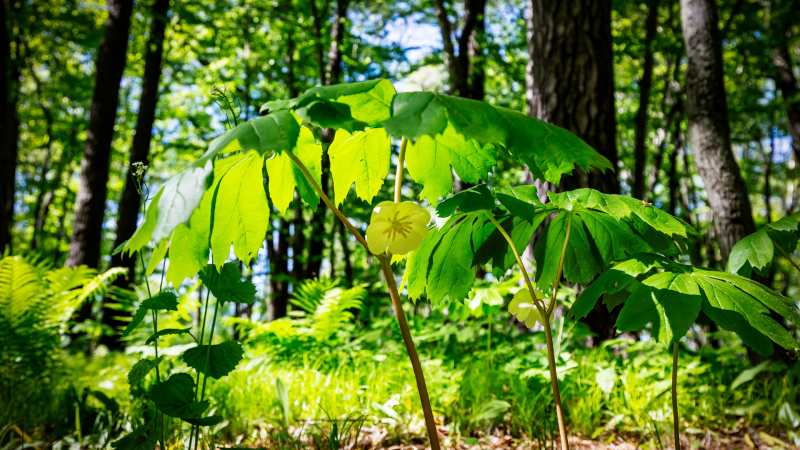
These short-bloomed plants are beautiful harbingers of spring, including Virginia spring beauty (Claytona virginica), Virginia bluebells (Mertensia virginica), and the longer-lasting, but still seasonal Mayapple (Podophyllum peltatum).
Learn More
Read more about these special plants in Flora Spring Flowering Native Plants of Washington D.C. and Vicinity.
Planting History: Heirloom Varieties
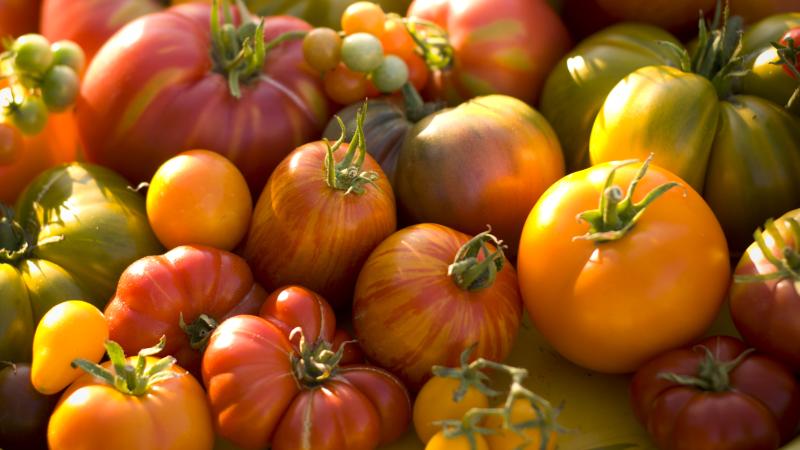
What Are Heirloom Varieties?
There's no formal definition, but they're generally at least 75 years old and open-pollinated, meaning seeds saved from the plant will grow true to the parent, rather than hybrid plants that only last one generation.
Learn more:
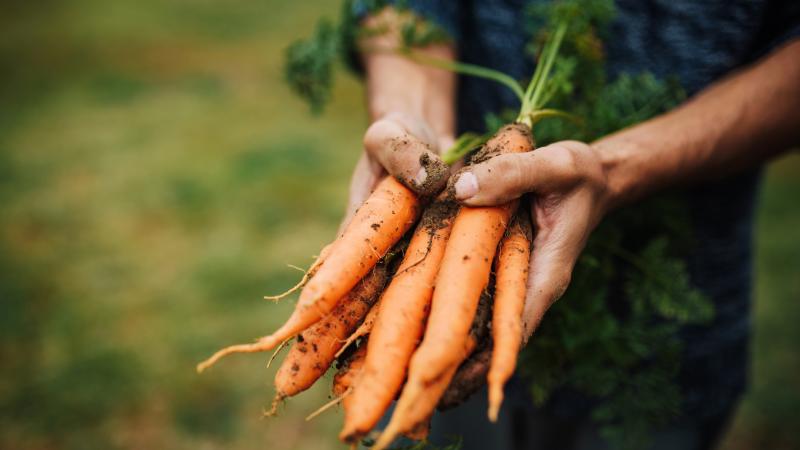
Why Should I Plant Them?
- Unique varieties: Heirlooms offer colors, shapes, and flavors you will not often find in grocery stores.
- Genetic diversity: Strengthens crops by increasing resistance to pests and disease.
- Living history: Many heirlooms date back centuries, letting you grow a piece of history in your garden!
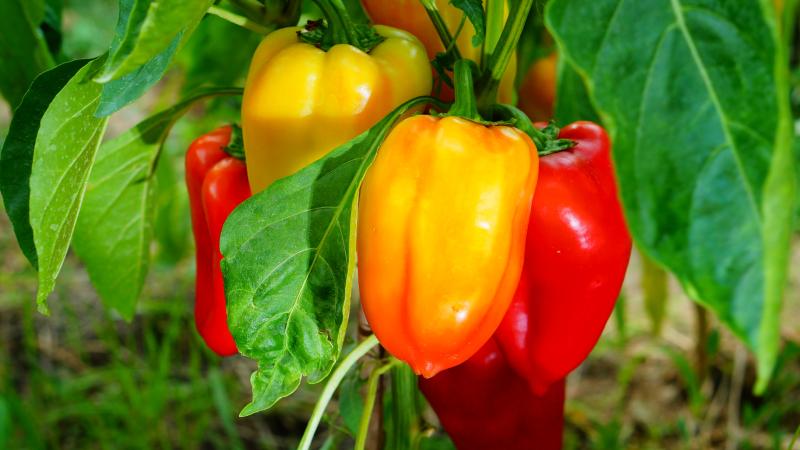
Heirloom Varieties of Familiar Vegetables & Where to Get Them
Heirloom varieties of familiar vegetables are heirloom tomatoes, heirloom peppers, and heirloom carrots.
Seeds can be obtained from:
Planting for Pollinators: A Tale of Milkweed & Monarchs
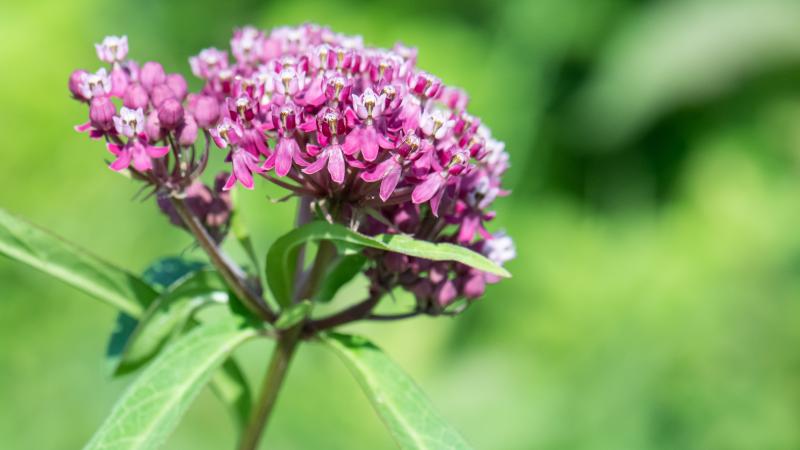
Why Should I Plant Milkweed?
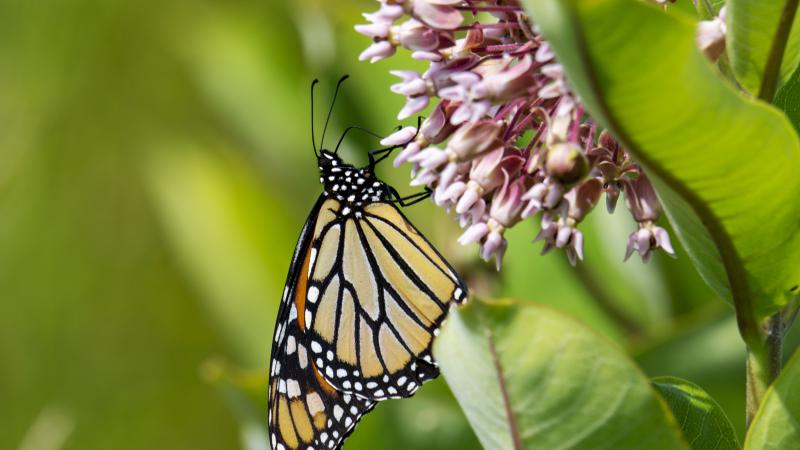
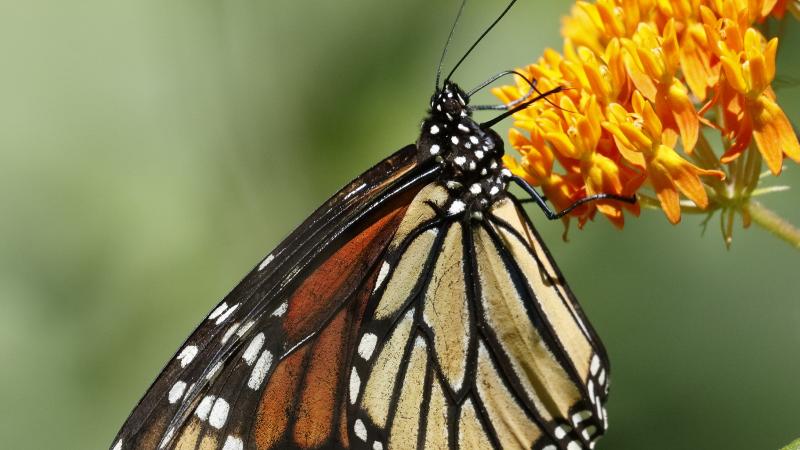
- Milkweed is the only plant monarch caterpillars can eat. No milkweed means no monarchs.
- Its blooms nourish a wide range of pollinators and serve as host plants for other species.
- From soft pink puffballs to vibrant swamp milkweed blooms, milkweed brings color and butterflies to your garden.
How Can I Support Other Pollinators Year-round?
- Plant all season long: Choose plants that flower from early spring through fall.
- Provide water: Offer clean, fresh water. Use a fountain or mosquito dunks to prevent standing water issues.
- Limit chemicals: Reduce herbicide and pesticide use and explore pollinator-friendly alternatives.
Learn More About Monarchs & Milkweed
Plants that support Monarch Butterflies:
- Common Milkweed
- Swamp Milkweed
- Butterfly Weed
Learn More:
The Native and Heirloom Seed Library Network (NHSL Network)
What is the NHSL Network?
The Native and Heirloom Seed Library Network (NHSL Network) provides community members the opportunity to learn about native and heirloom plants and their ecological and cultural importance, as well as the ability to plant native and heirloom plant varieties in their own gardens.
Guidelines for Use
- Take only seeds you intend to plant. Maximum is 3 packs (leave some for other gardeners!)
- Please sign out your seeds using this link: Seed Sign Out Form
- Questions? Please send an email to: katrina.napora@alexandriava.gov
Checking In Your Seeds: Seed Saving For Beginners
Saving your seeds is not required to participate in the Native Heirloom Seed Library Network, but it can be incredibly rewarding to collect seeds after a great gardening season, and to share the seeds back with the community. Here are some beginner tips to get started!
Do: collect seeds from plants that were healthy and produced desirable flowers or crops.
Don’t: collect seeds from plants that were diseased – the illness can be carried by the seed.
Do: collect seeds from annuals, such as tomatoes, lettuce, beans or peas.
Don’t: start with collecting from carrots or beets – these plants are biennial and only produce seed after two growing seasons. That can be a future challenge!
- Flowers should be checked two to three weeks after the plant has bloomed for seeds. The flower head can be cut off to dry in a paper bag.
- Beans and peas should mature and dry on the plant, and then the pod can be easily broken open to remove the seeds.
- Lettuce needs to bolt (or flower) in order to collect seeds. These seeds are similar to dandelions and can be blown away in the wind, so be sure to collect before then!
- Tomato seeds are ready to harvest when the tomatoes are ripe.
- Seeds should be dry for storage. This can be done on newspapers, coffee filters, or even paper plates!
- Tomato seeds can be tricky, but so satisfying! When the tomato is ripe enough to eat, cut the tomatoes and squeeze the seeds and pulp into a jar. Let the jar sit for 2 to 3 days, occasionally agitating it. When the seeds sink to the bottom of the jar, pour the floating seeds and liquid from the top of the jar and rinse the remaining seeds with fresh water. Pour the remaining viable seeds onto paper towels or a fine sieve to dry!
- Once your seeds are dried, they can be stored in glass jars, empty seed envelopes, or plastic bags. Just make sure you label them! Having the name of the plant, the date collected, and any little details you might want to remember (did well in sun, tasty with pasta, etc.) can make the next growing season easier!
Interested in more seed saving tips? Check out these online resources:
Invasive Species Management
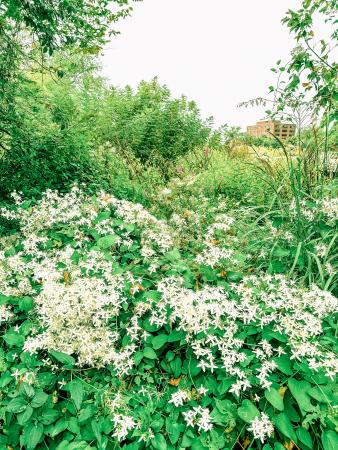
Alexandria has rich native biodiversity, but invasive vegetation can outcompete native species and impact vegetation, pollinators, and our habitats.
Invasive Plants
Non-native invasive plants have increasingly become a major threat to natural areas, parks, forests, and wetlands by displacing native species and wildlife and significantly degrading habitats. The United States has a formal definition for invasive species:
A species that is:
1) non-native (or alien) to the ecosystem under consideration and;
2) whose introduction causes or is likely to cause economic or environmental harm or harm to human health.
See below for the non-native invasive plant control efforts throughout the City's natural areas and in the community’s backyards.
Cultural Controls
Cultural controls involve stopping invasive plants before they spread by checking clothing and equipment for plant stowaways, choosing native plants instead of non-native ones, and learning how to identify invasive species.
Mechanical Controls
Mechanical controls use manual removal of invasive plants, typically when they are small and the full root system can be taken out. Limiting soil disturbance is crucial, as invasive plants like to repopulate in disturbed soil, so consider using a tool that lift roots instead of digging.
Chemical Controls
Chemical controls involve the targeted, specific, and minimally required use of herbicide to prevent regrowth on cut tree stumps or vines, as well as foliar application. Being mindful of best practices for the safety of the environment and people is a top priority for City of Alexandria.
City of Alexandria Herbarium
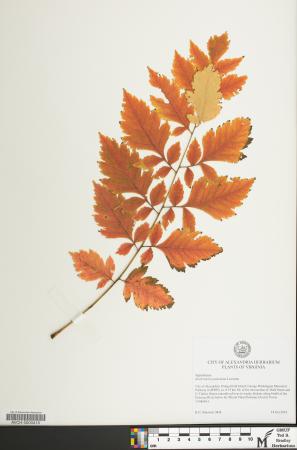
An herbarium is a collection of dried plant specimens maintained for scientific reference, like a museum with fossils or a library full of historic manuscripts.
Herbaria (the plural of herbarium) can also contain reference books and photographic collections, as well as specimens of fungi, mosses, and lichens. Specimens are prepared with archival-quality materials and are intended to last for centuries.
The City of Alexandria Herbarium (AVCH) was founded to document the native and naturalized plants of Alexandria as an aid to conservation planning, but is also a reference collection for research and identification of plants of the eastern U.S., which includes native and exotic plant species and is an invaluable resource for conservation planning. The herbarium contains over 4000 specimens from over 1200 species. This research collection is a representation of Alexandria’s botanical diversity and is an important resource for research and managing natural resources.
To ensure the herbarium continues to last for generations to reference, samples are collected and preserved to industry-standard conditions, based on the Smithsonian Herbarium and Kew Gardens protocols, for example. These requirements include ensuring that mounting materials are acid-free and that specimens are stored in herbarium cabinets. Temperature and humidity control, along with pest prevention, are important to make sure the herbarium can preserved and utilized for generations.
The City of Alexandria Herbarium (AVCH) has been scanned digitally as part of a larger effort to digitize almost a dozen herbaria across Virginia. You can access and search this media collection on the SERNEC data portal.
The City of Alexandria Herbarium (AVCH) is currently housed at 2900-A Business Center Drive.
Research Requests: for scholars, botanists, and other academic research, please fill out this form for a term permit.
Educational Requests: for botanical illustrators, master naturalists, and other educational opportunities, please fill out this form for guided events.
A 2010-2011 series featuring field botany updates, notable collections, and scientific contributions largely from the City of Alexandria, Arlington County, and Fairfax County, Virginia, as well as occasionally other locales in the Washington, D.C. area.