
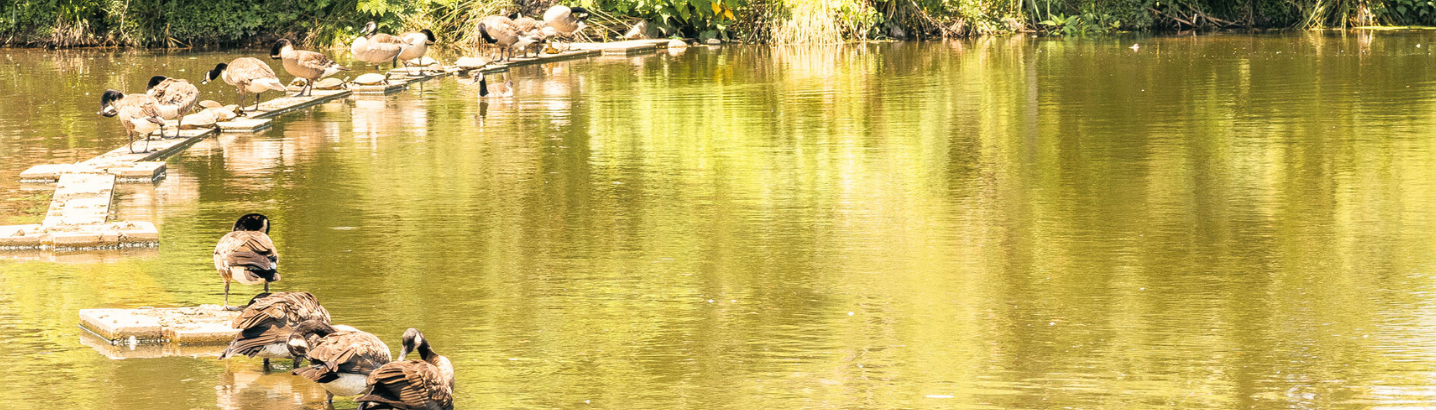
The City of Alexandria is home and host to many species of wildlife. It may be tempting to help an animal that seems in distress or relocate because it may be a nuisance but remember to leave it alone and contact the local animal control or a certified wildlife rehabilitator. To learn more on how to reduce human, wildlife conflict, please check out VA DWR’s website for helpful tips.
Let’s learn more about our animal neighbors!
Mammals
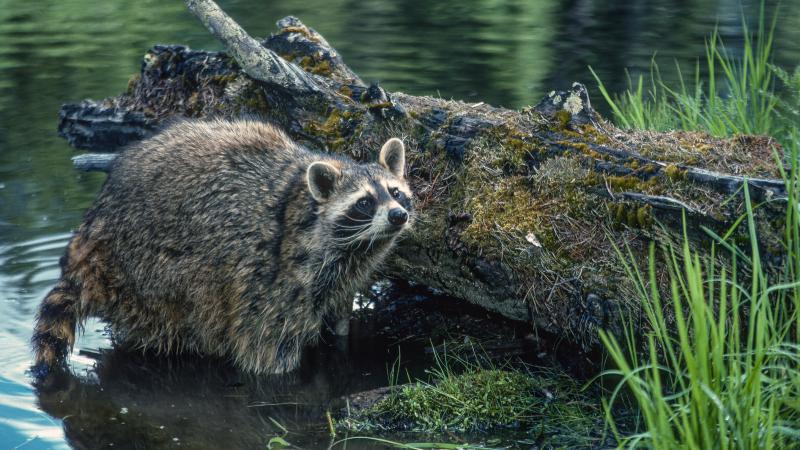
What Makes a Mammal
Mammals are warm blooded vertebrates who have hair, typically give live birth of their young and feed their young from mammary glands. Humans are mammals, alongside deer, bats, and raccoons to name a few.
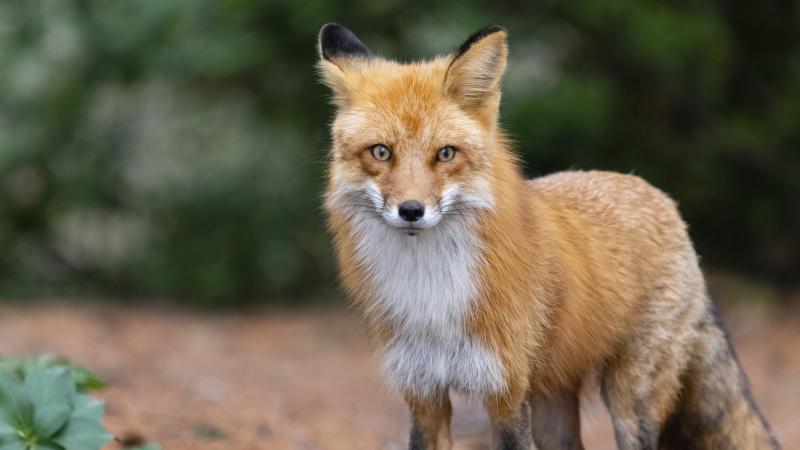
Seeing Wildlife in the City
If you see a fox or coyote passing by, don’t be afraid! They’re more scared of us than we are of them. Just keep your distance and report unusual behavior to our local animal control office. Learn more about living with coyotes through this informational pamphlet created by the VA DWR.
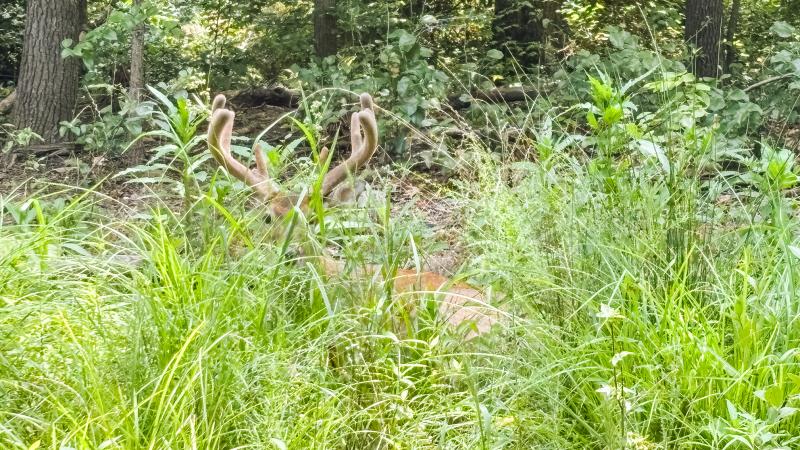
Spotlight: White tailed deer (Odocoileus virginianus)
Most deer seen in Alexandria are white-tailed deer also known as the Virgina deer. Once near extinction in the early 1900s, they now have a healthy population and roam many forested parks throughout the City. Bucks grow antlers each year, while does do not. Learn more in the Virginia DWR factsheet.
Birds
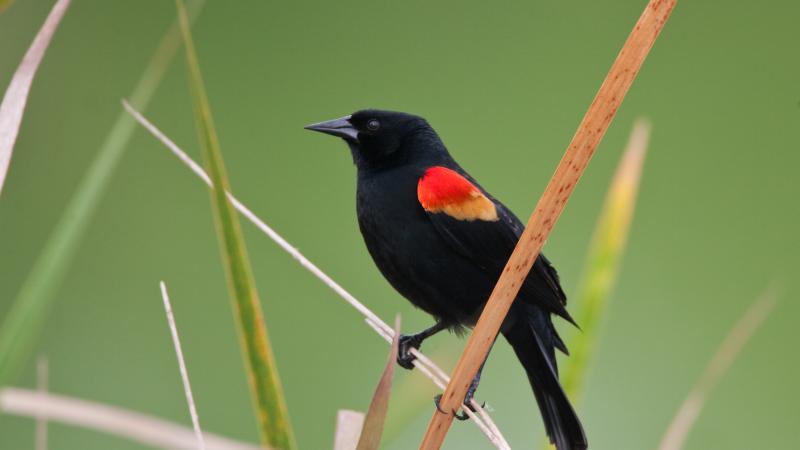
Birds in Alexandria
Birds are warm blooded animals with feathers and wings. They range from tiny species to birds over seven feet tall. Alexandria hosts both resident birds that stay all year and migratory birds that travel great distances.
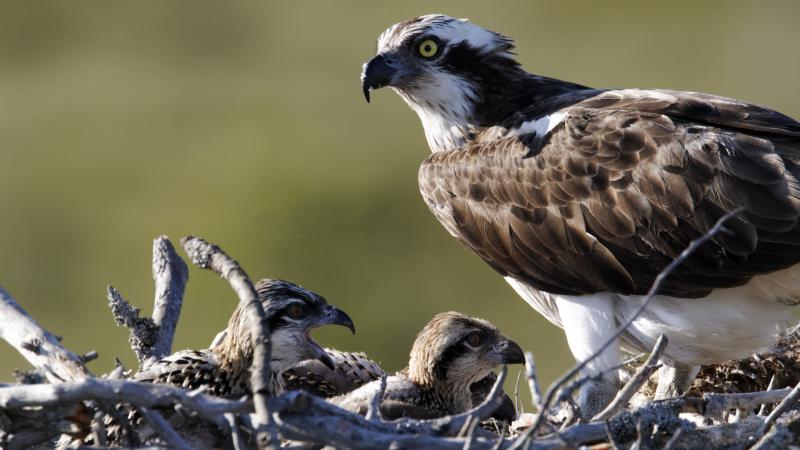
Birding in the Community
Want to connect with others who enjoy birding? Check out the Northern Virginia Bird Alliance for ways to learn, explore, and join local birding activities.
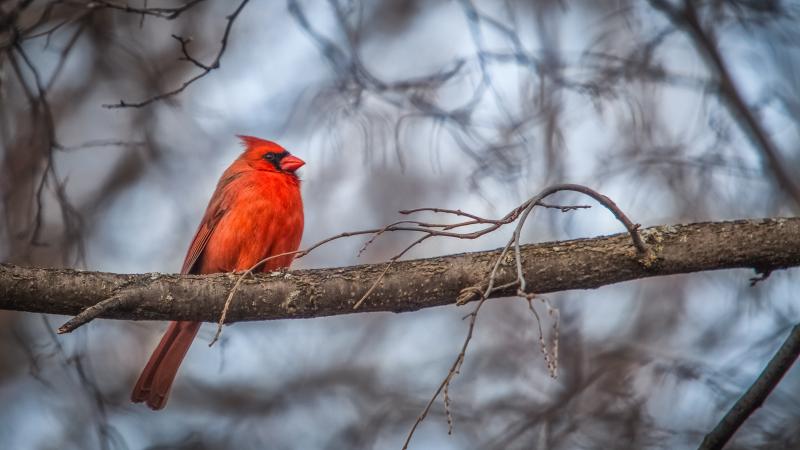
Spotlight: Northern Cardinal (Cardinalis cardinalis)
Did you know that the Northern Cardinal is the state bird of Virginia? These birds can be found throughout Alexandria year-round, making them one of our resident bird species. Males are bright red, while females are brown with touches of red. Learn more about this species on the Audubon field guide.
Fish
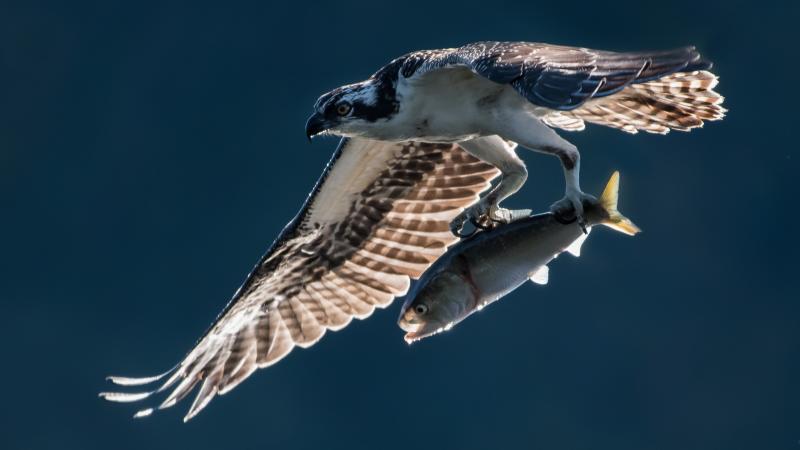
Fish in Alexandria
Fish are cold-blooded aquatic animals that breathe with gills. All fish found in Alexandria’s ponds, streams, and the Potomac River are freshwater species, from miniscule mummichog (Fundulus heteroclitus) and menhaden (Brevoortia tyrannus), to several species of catfish, bass, and shad.
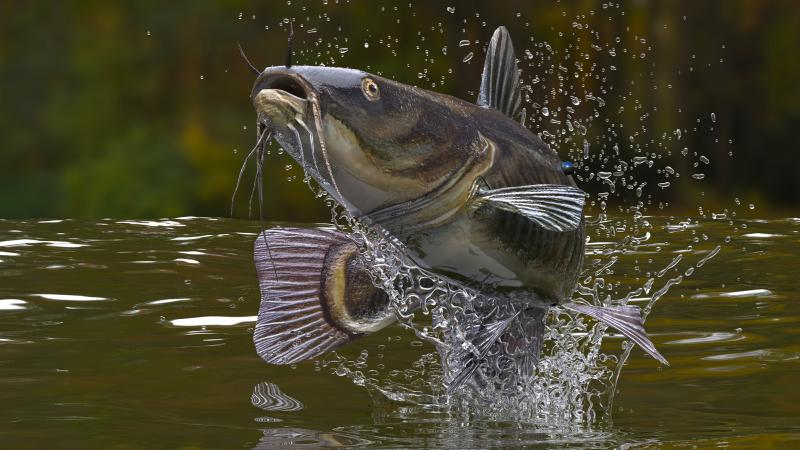
Spotlight: Blue Catfish (Ictalurus furcatus)
The invasive blue catfish has caused problems in the Chesapeake Bay watershed since the 1970s. Introduced to manage shad, it spread quickly with few predators and now feeds on shad, menhaden, and blue crabs.
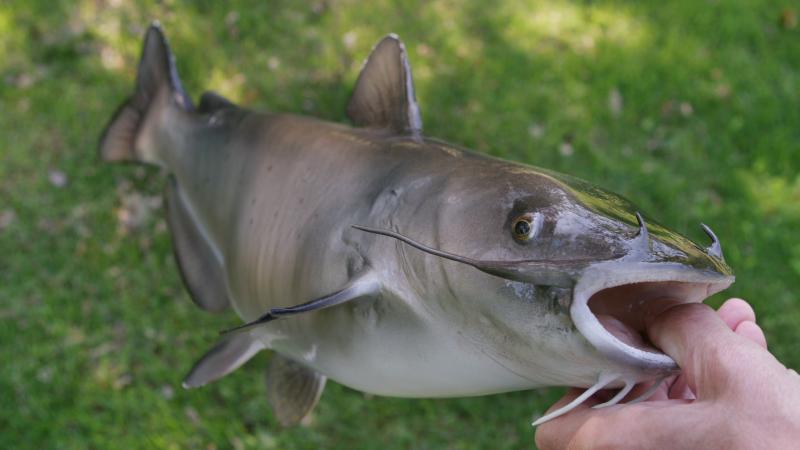
Learn More About Blue Catfish
Blue catfish came from other US river systems such as the Mississippi, Missouri, and Ohio rivers. They expanded rapidly in the Potomac River and nearby waters. A 2024 USGS factsheet offers more details on the impact of this species.

Fishing in Alexandria
Fishing is prohibited in many of Alexandria’s waterways. However, Lake Cook and the Potomac River offer year-round fishing opportunities. Lake Cook is part of the State’s Urban Fishing Program meaning it will be periodically stocked with trout from late fall through the beginning of spring.

Licenses and Safety
Fishing at Jones Point Park gives access to the Potomac River. While it’s not illegal to consume the fish you catch from the River, it is highly recommended not to due to pollutants found within the DMV area.
You may need a Virginia or DC license. Always check current regulations: Virginia | DC
Amphibians
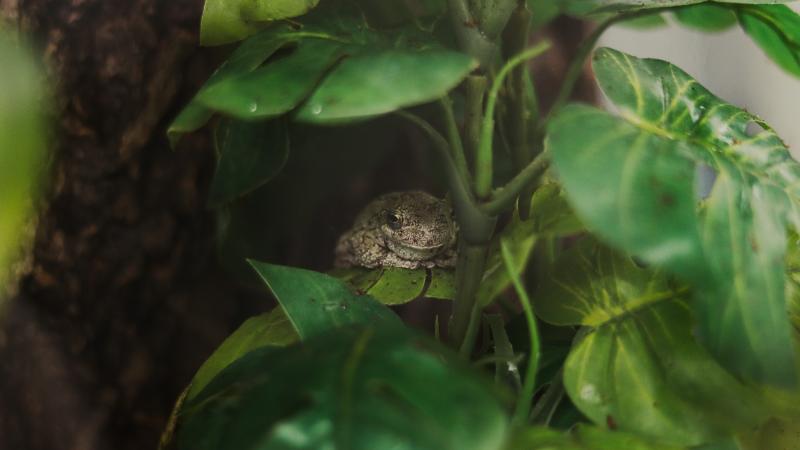
What Amphibians Are
Amphibians are cold blooded vertebrates with an aquatic gill breathing larval stage that is usually followed by a terrestrial lung breathing stage. They include frogs, salamanders and caecilians.
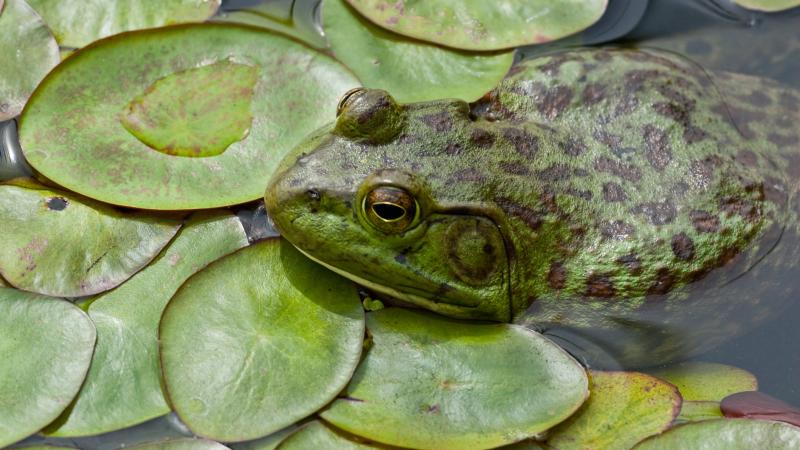
Where Amphibians Live
Because they love water, amphibians are often near ponds, streams, and vernal pools which are seasonal wetlands that dry by summer.
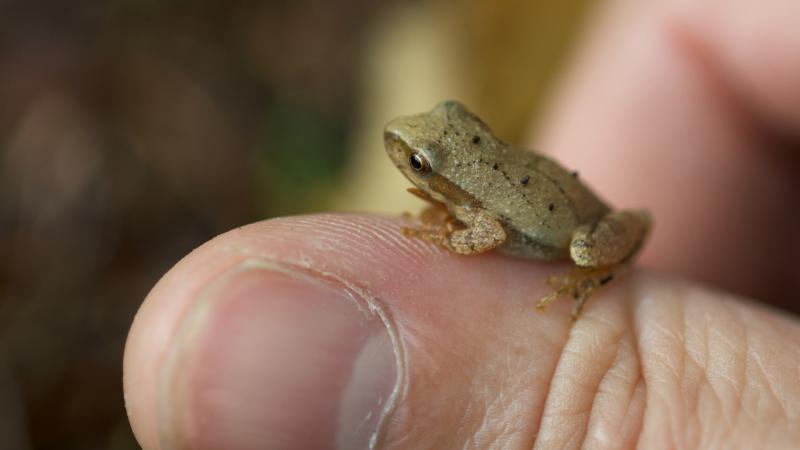
Amphibians Found in Alexandria
In Alexandria you can see (or hear!) amphibians such as the American Bullfrog (Lithobates catesbeianus), Eastern Red-backed Salamander (Plethodon cinereus), and the Spring Peeper (Pseudacris crucifer).
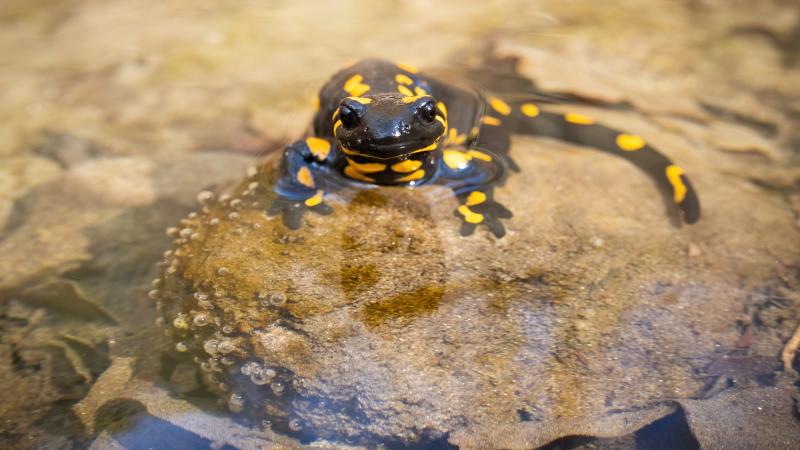
Spotlight: Spotted Salamander (Ambystoma maculatum)
The spotted salamander is named for the yellow spots along its dark back. It is a mole salamander that lays eggs in clumps underwater which hatch into larvae with three pairs of external gills.
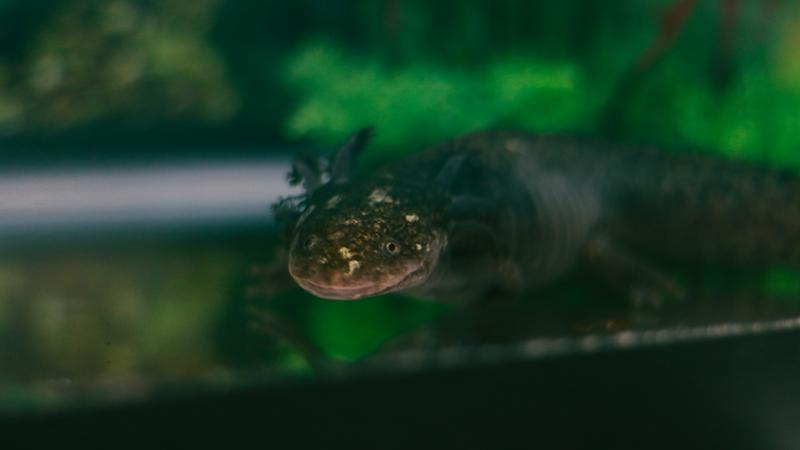
A Fun Connection
Another mole salamander is the axolotl, which keeps some larval traits into adulthood. Though native to Mexico, one lives at the Buddie Ford Nature Center near the spotted salamanders of Dora Kelley Nature Park. Learn more about the spotted salamander from the Virginia DWR webpage.
Reptiles
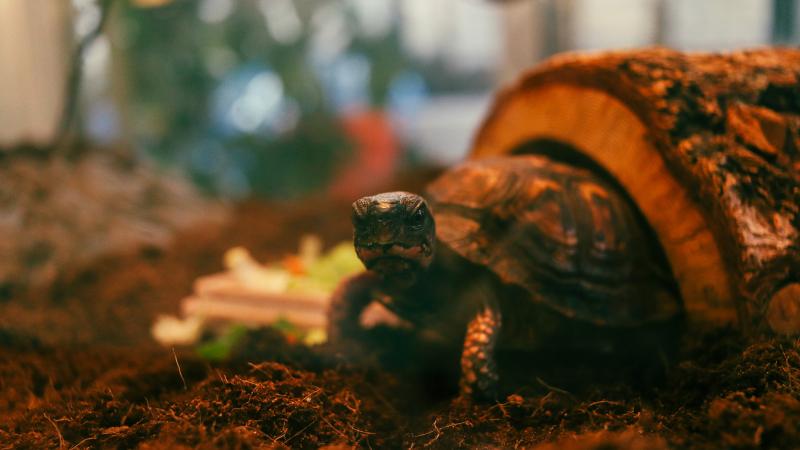
What Reptiles Are
Reptiles are cold blooded vertebrates with dry scales or a bony plate who move on their belly or short legs. Like birds, they lay soft shelled eggs. Turtles, lizards and snakes are reptiles. Crocodiles and alligators are too, though you will not see them in Alexandria.
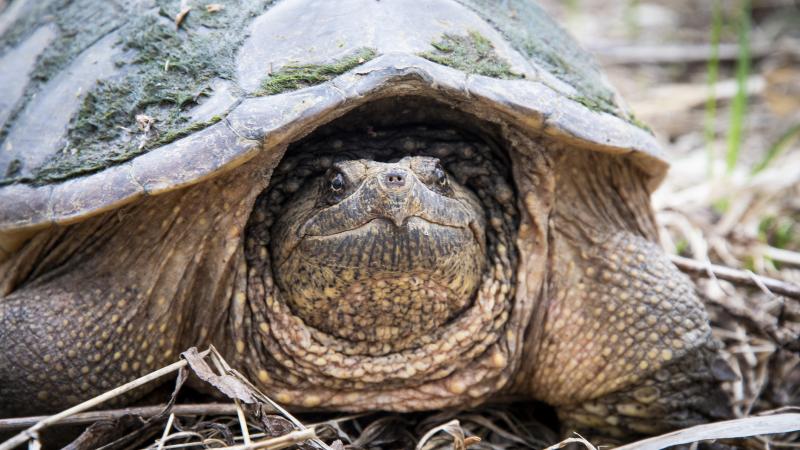
Spotlight: Common Snapping Turtle (Chelydra serpentina)
Also called the North American snapping turtle, this is the largest freshwater turtle in Virginia. Unlike other turtles that pull in their head and legs, its lower shell is small and leaves much of its body exposed.
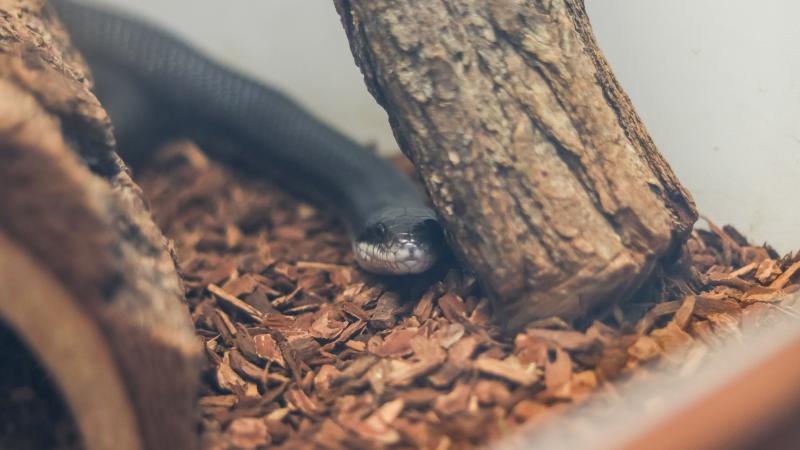
Where They Live and Safety Tips
Common snapping turtles live in larger ponds such as at Ben Brenman Park. If you see one on land or in water, give it space. Their bite is not venomous but it can hurt. Learn more about the common snapping turtle from the Virginia herpetological society.
Invertebrates
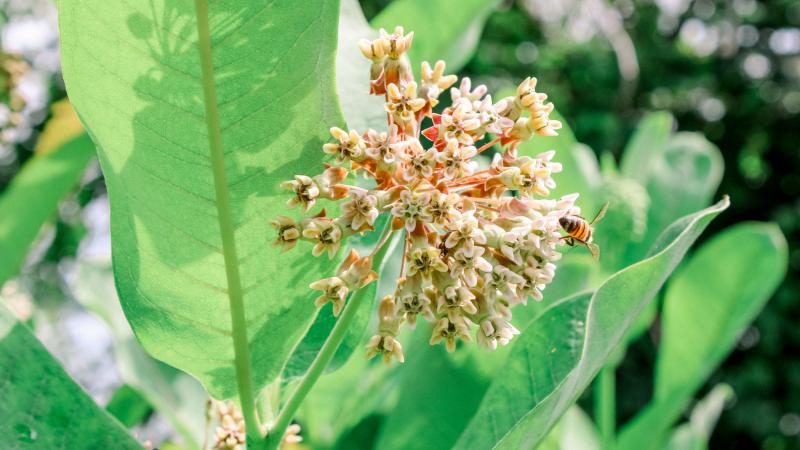
What Are Invertebrates
Butterflies, mussels, and slugs all lack a backbone and live in Alexandria! Invertebrates include insects, arachnids, mollusks, crustaceans, and more, all developing and growing without a bony skeleton.
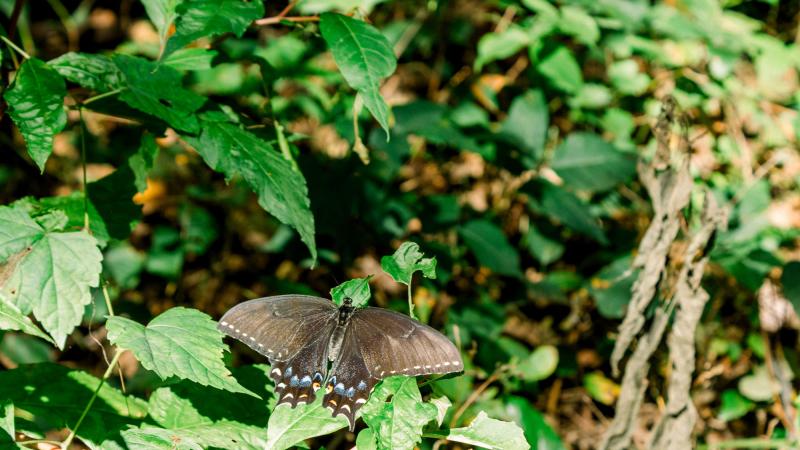
Pollinator Corner
Butterflies, bees, bats, birds, and even ants provide pollination, a key process for plants to produce seeds and fruits. Pollinator populations are declining due to numerous factors, putting ecosystems at risk. Learn how to help pollinators in your yard on our habitat page.
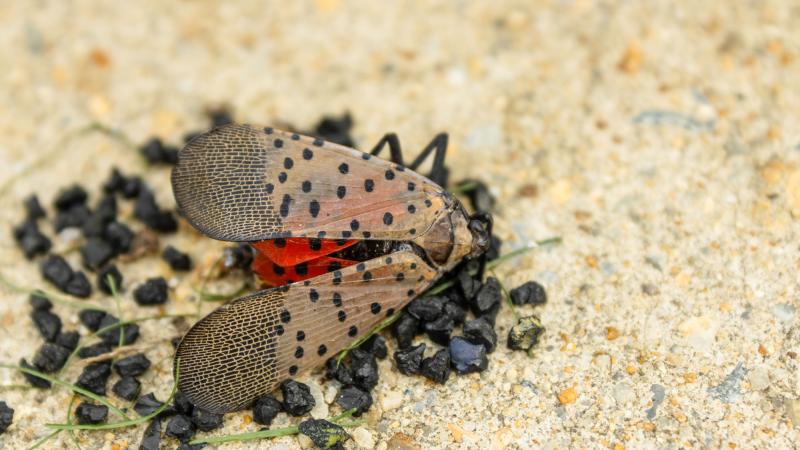
Spotlight: Spotted Lanternfly (Lycorma delicatula)
The spotted lanternfly is an invasive insect from Asia, first seen in Virginia in 2018 and now in Alexandria. It feeds on grapes, hops, and trees like willow, birch, and maple. Its host, tree-of-heaven, is also invasive and common locally.
Getting Involved: Spotted Lanternfly
You can help by recognizing all life stages of the spotted lanternfly and stomping them if comfortable. Extra steps include DIY circle traps in spring and summer and egg scraping in winter. Spraying is not advised due to harm to beneficial insects.
Resources for Spotted Lanternfly
Other Invasive Forest Pests
Other invasive forest pests that have impacted the City of Alexandria include the emerald ash borer (Agrilus planipennis), the spongy moth (Lymantria dispar), and the Asian long-horned beetle (Anoplophora glabripennis).