
Alexandria's Naval Torpedo Station
Today's Torpedo Factory Art Center is the only remaining building of Alexandria's U.S. Naval Torpedo Station, first constructed at the end of World War I. A green Mark 14 torpedo, one of nearly 10,000 produced and tested at the Station during World War II, is at the center of an exhibit on the first floor. The exhibit details the many uses of the building over the years, including as federal storage, a torpedo manufacturing and testing station, a Federal Records Center and an experimental arts center.
World War I: Building Support
The Alexandria Naval Torpedo Station was built after World War I to manufacture and store torpedoes. Today's Torpedo Factory Art Center was part of a larger complex used by the United States government during times of war and peace.
Alexandria's position near DC and its direct access to the Potomac River and rail lines made the city a prime candidate for military mobilization. During World War I, the supply of torpedoes could not keep up with the Navy's demand. Alexandria was chosen to increase production. Construction on the first two Naval Ordnance buildings began after the war ended in 1918.
By World War II, the waterfront was filled with industrial and military buildings, including the Alexandria Naval Torpedo Station. Goods were transported by nearby railroads and munitions testing took place in the Potomac River at Piney Point.
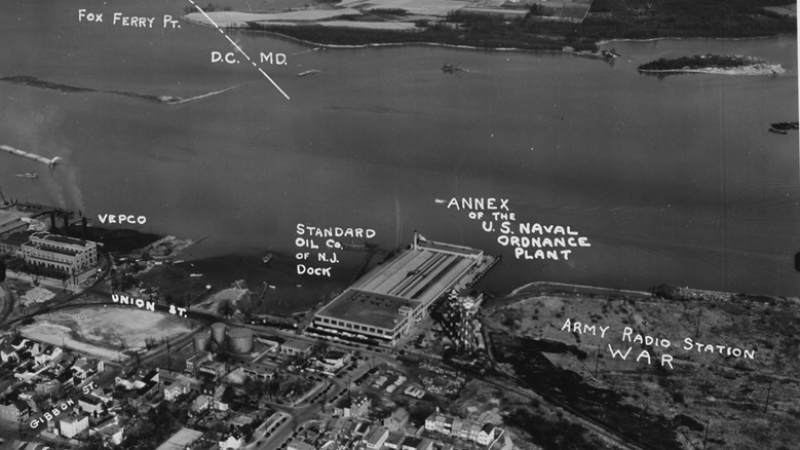
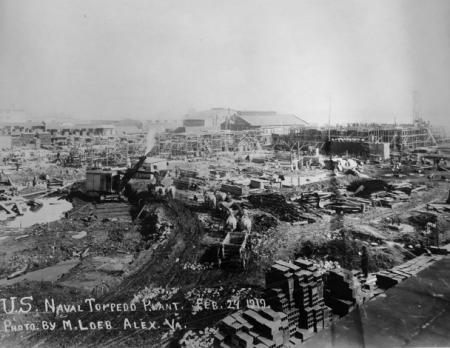
The Bureau of Ordnance began construction of the Alexandria Naval Torpedo Station the day after the 1918 Armistice officially ending World War I.
Workers cleared the two-block site and erected seawalls and a 330-foot pier for the testing barge. It opened in June 1919, with a walkway connecting the first two station buildings. The plant's 500 workers assembled and stored over 300 Mark 4 and Mark 8 torpedoes until the site's deactivation in June 1923.
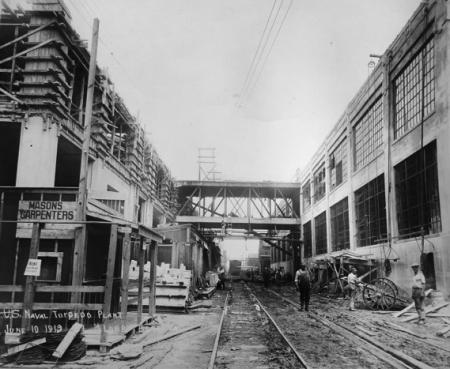
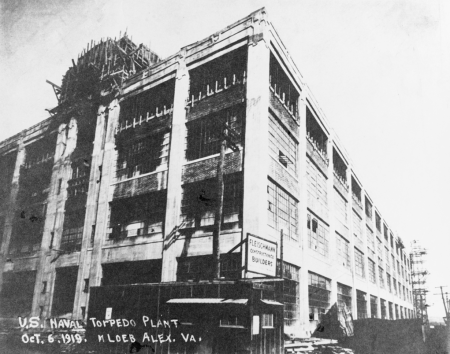
Alexandria's torpedo assembly ceased in 1923 and moved back to Rhode Island's Newport U.S Naval Torpedo Station.
The original two-building complex stored 908 torpedoes for the Naval Gun Factory, as well as housed federal records and offices until WWII.
In 1937, the Plant opened as a unit of the Washington Navy Yard. It began manufacturing torpedoes in early 1940, and became an independent station in July 1941.
At its height, it had over 5,000 workers, making it the city's largest employer. Mark 13, 14, 15, and 23 torpedoes were manufactured, proved, and overhauled at the station, in addition to exploder mechanisms and rocket motor parts.
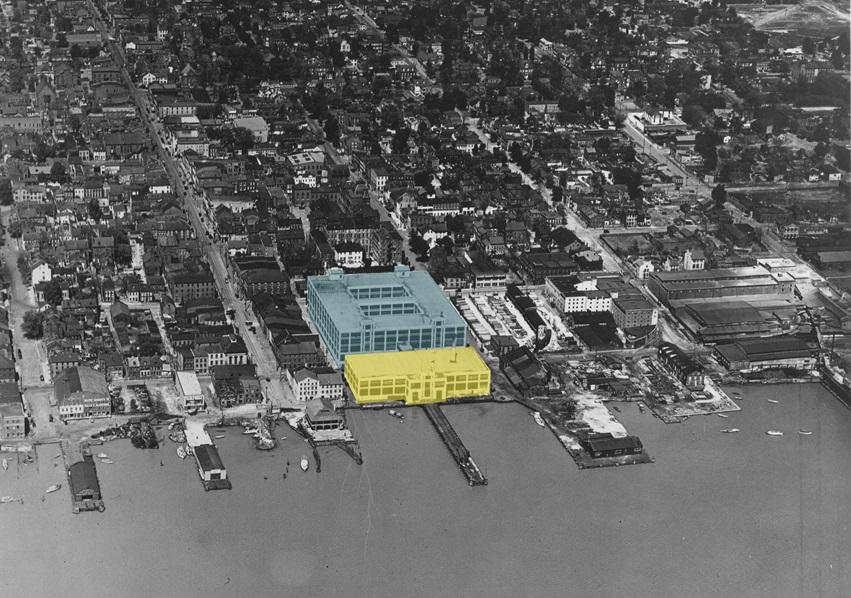
The Station's only remaining building is today's Torpedo Factory Art Center, Building #2, shown in yellow in the 1941 photo above. It held the General Offices, power plant, and storage for the Supply Department. Building #1 is shown in blue in the photo above. The Navy added seventeen buildings to meet production demands during WWII. Construction can be seen to the right of this building in the 1941 photo above. By 1943, the additional Franklin Street Annex opened to the south of the Main Plant.
World War II: Joining the War Effort
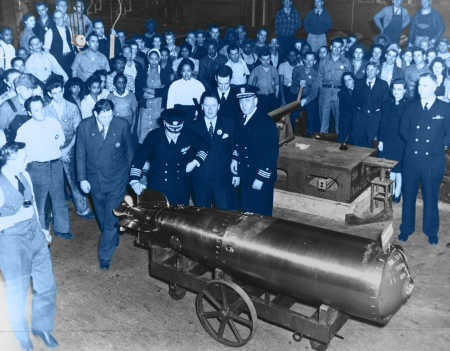
At the start of World War II, workers moved to Alexandria to join the rapidly growing workforce. The Naval Torpedo Station employed over 5,000 workers - 8% of the population at the time. It was one of seven factories in the United States manufacturing torpedoes.
"About eight or ten girls were working in the shop until I left. It it leaked, we took it back to the girls and they relapped all the parts to that valve." - John Pierpoint, apprentice machinist at the Alexandria Naval Torpedo Station
Segregated housing was built under the Lanham Act to help accommodate some defense workers and their families, including Torpedo Station employees.
Chinquapin Village and Cameron Valley were built for white workers. Other federal housing included two temporary trailer parks and Ramsey Homes for African American defense workers. By 1949, 35% of Station workers had bought, or were buying, houses in the Alexandria area.
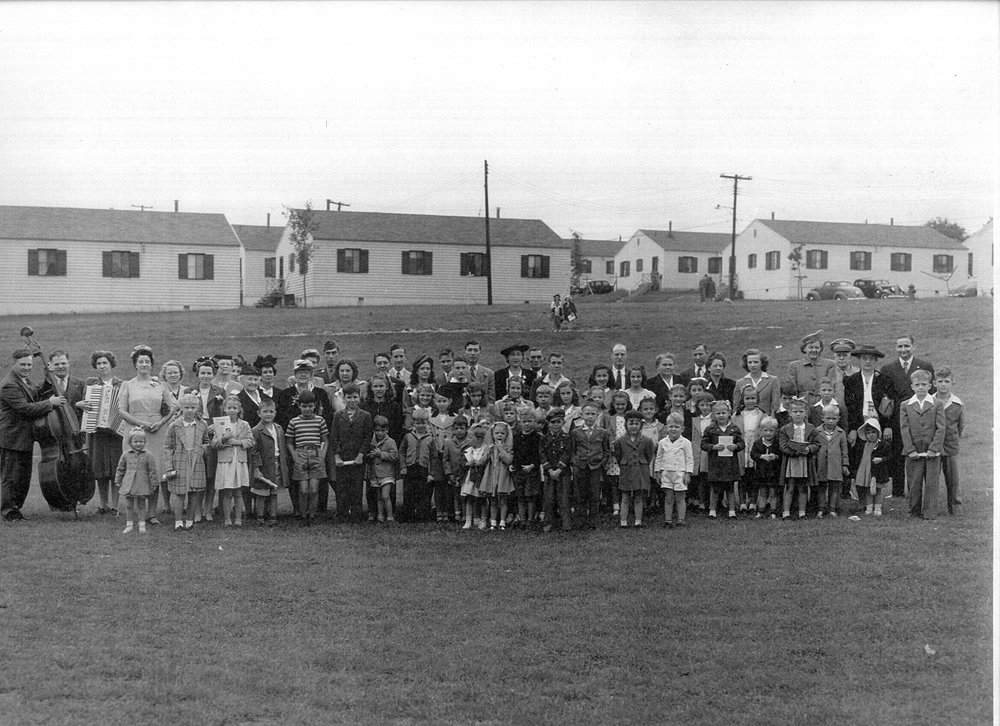
"The bus company sent a bus up there every morning to pick the men up to go to work [at the Torpedo Station] and brought them back to their houses at night." - Jerry Sare, Chinquapin Village resident
Federal housing projects used innovative techniques and experimental materials like rammed-earth stabilized cement and "Fabcrete" precast panels to conserve steel and help alleviate the housing shortage.
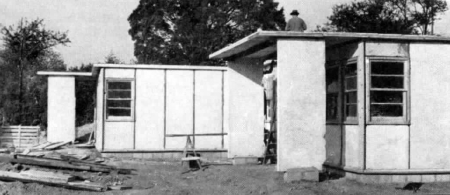
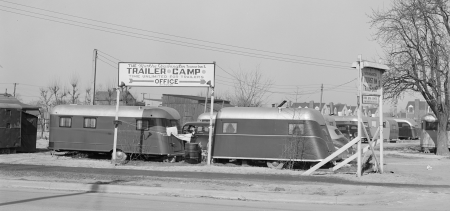
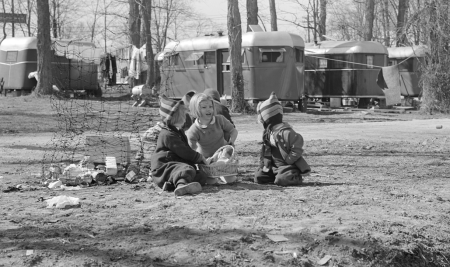
During the height of production, the plant operated seven days a week.
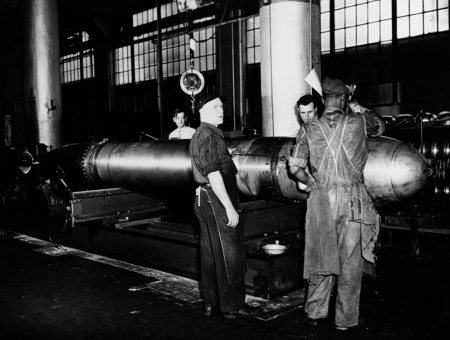
Employees worked 48 to 54 hours per week, split into three shifts. While desegregation of the federal government and military began in 1941, progress was slow and white men continued to hold supervisory positions.
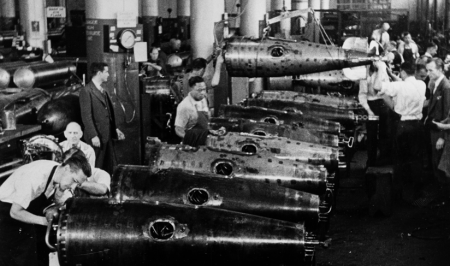
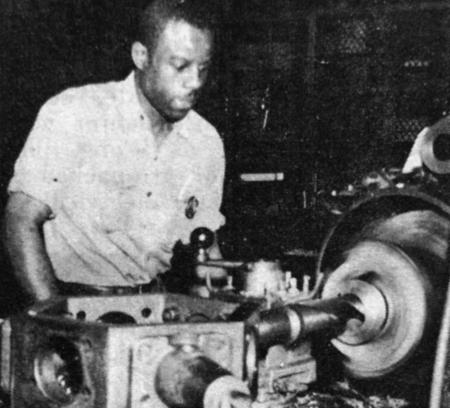
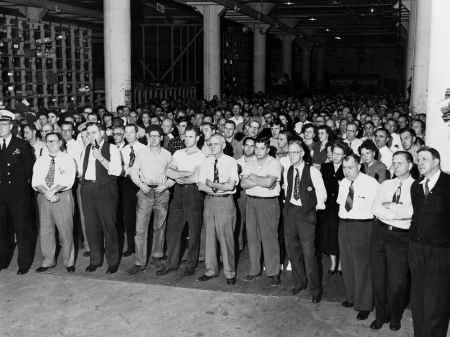
Over 800 employees left for the armed forces over the course of the war, leaving trained staff in short supply.
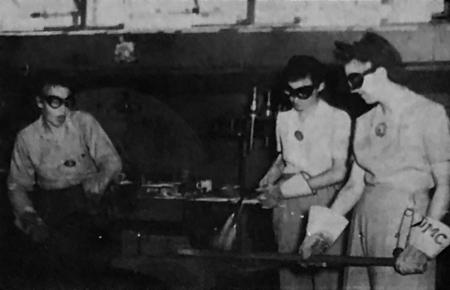
Women, African Americans, school students, and older workers filled some of the roles previously held by white men. Women workers included members of the WAVES (Women Accepted for Volunteer Emergency Service) and WOWs (Women Ordnance Workers). By 1943, over 1400 women were employed at the factory.
During downtime, employees used factory equipment and materials to make jewelry and souvenirs. Examples of these can be seen on display in the exhibit.
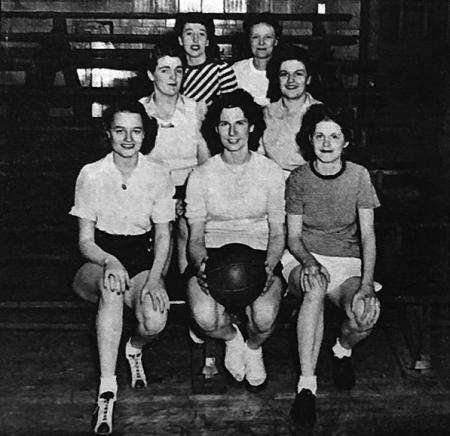
The Station's monthly newspaper, "The TORP," provided news and boosted morale and camaraderie.
Its pages contained employee spotlights and promotions, and news of budding romances, marriages, and births. While "The TORP" is filled with war bond and blood drives, it also shows welcome diversions from the war effort. USO Clubs were established in town for both men and women defense workers, and dances, talent shows, beauty contests, and plant-sponsored clubs and sports fill the pages of the paper. The Station had its own bowling leagues, as well as baseball, softball, wrestling, and basketball teams.
World War II: Building and Testing Torpedoes
The Navy entered World War II with a severe torpedo shortage.
At the start of WWII, the Navy reopened the Alexandria Naval Torpedo Station to meet the growing demand for torpedoes. Its workforce produced and tested ordnance, including the Mark 14.
Alexandria was the second highest producer in the country, manufacturing nearly 10,000 by the end of the war. The Station was awarded the distinguished Navy "E" six times in recognition for excellence in production.
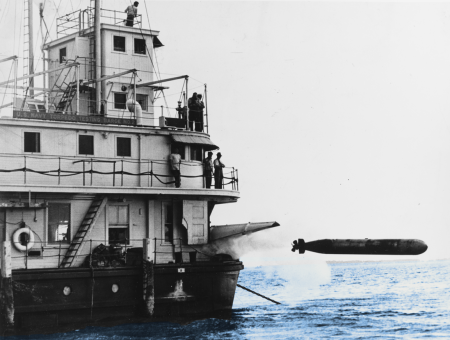
"No torpedo should leave this Station which is not a credit to the loyal force here who made it." - R.B. Simons, Captain, U.S. Navy Commanding Officer, Naval Torpedo Station, Alexandria, VA, December 1943
The Alexandria Torpedo Station manufactured and assembled aerial, submarine-launched, and destroyer-launched torpedoes. The green submarine-launched Mark 14 on display in the exhibit was made at the Alexandria Station in 1944. The Mark 14 was made up of about 5,000 parts. It was propelled by an alcohol-fired steam turbine and carried a contact detonator and a classified Mark 6 magnetic exploder, triggered by an enemy ship's magnetic field.
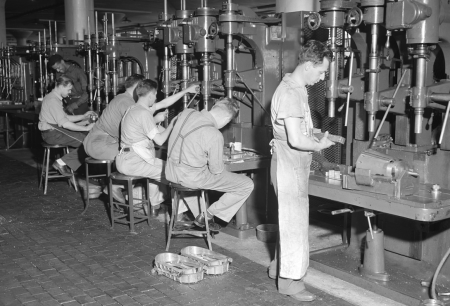
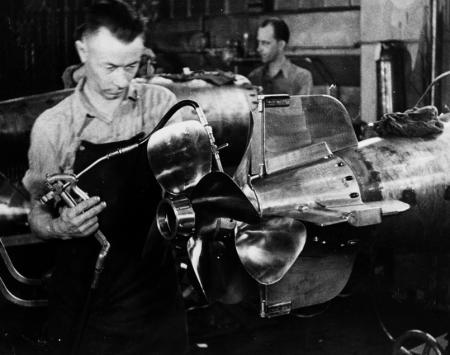
testing and improving munitions
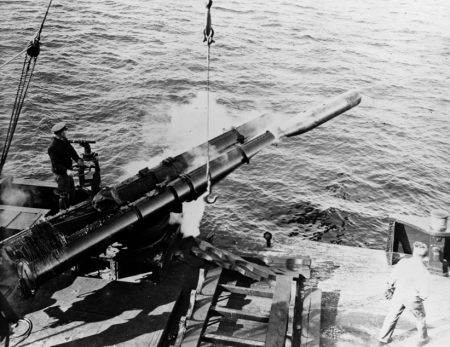
Torpedoes were tested at the nearby range in Piney Point, Maryland. They were filled with air and painted bright green to make them easier to recover.
Early Mark 14 torpedoes often missed their target, running deeper than intended or straying from their set course. A hit did not guarantee success either. Sometimes the contact exploder failed, or the magnetic influence exploder detonated prematurely. Reports from battle and from proving grounds like Piney Point identified these issues.
The Mark 14 was a reliable weapon by the end of 1943. Workers at the Alexandria Station played a large role in its success with improvements in rust prevention, a redesign of the lubrication system, and other war production suggestions.
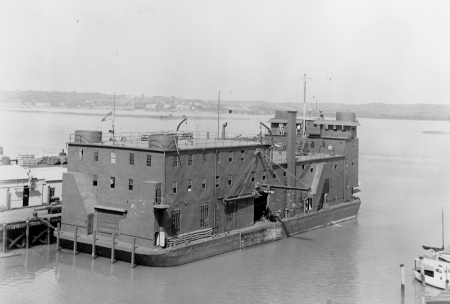
By the end of the war, over 1,500 torpedoes from Alexandria sunk or damaged Axis ships. Each was tallied and celebrated in "The TORP."
Each torpedo was marked to show where and when it was made. The Mark 14 on exhibit in the Torpedo Factory Art Center is engraved with the register number 64220.
Post-War Records Storage
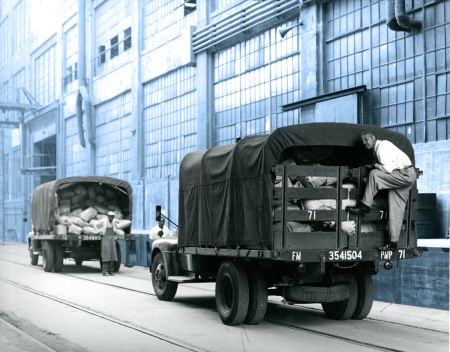
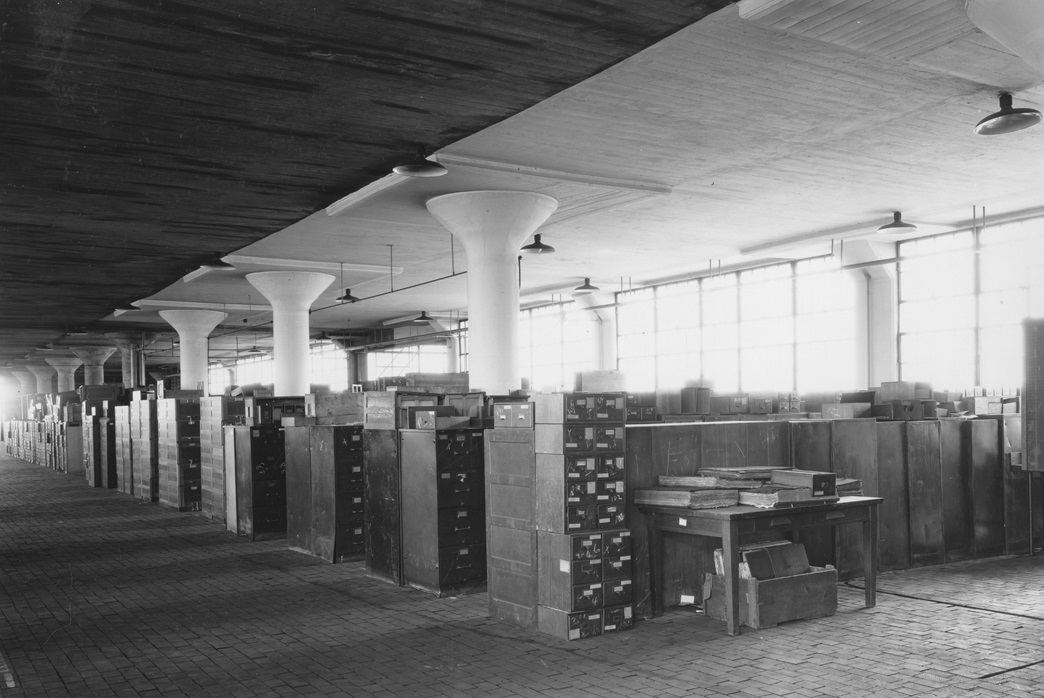
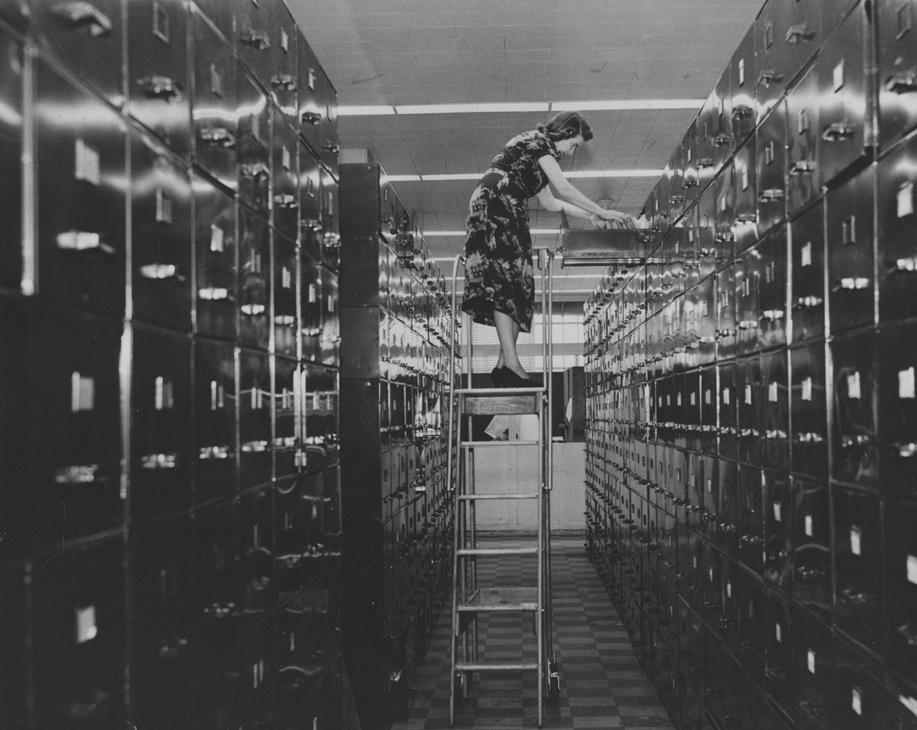
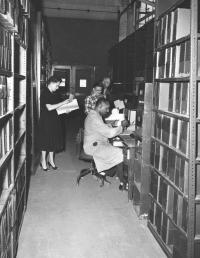
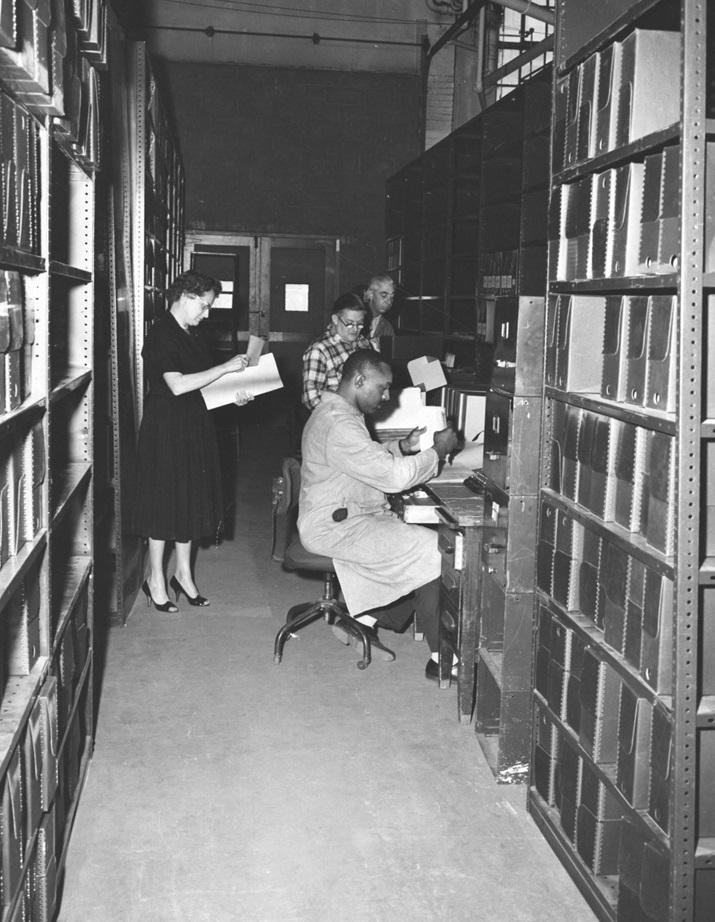
Records captured during World War II were processed and stored buildings that were once part of the Torpedo Station's Main Plant. Some of the records were later used to prosecute war crimes.
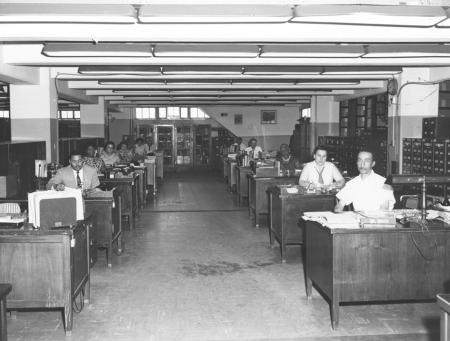
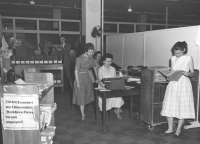
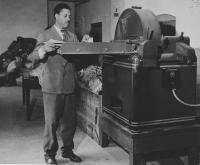
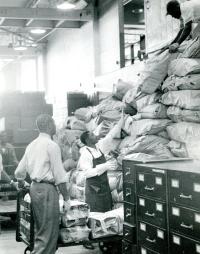
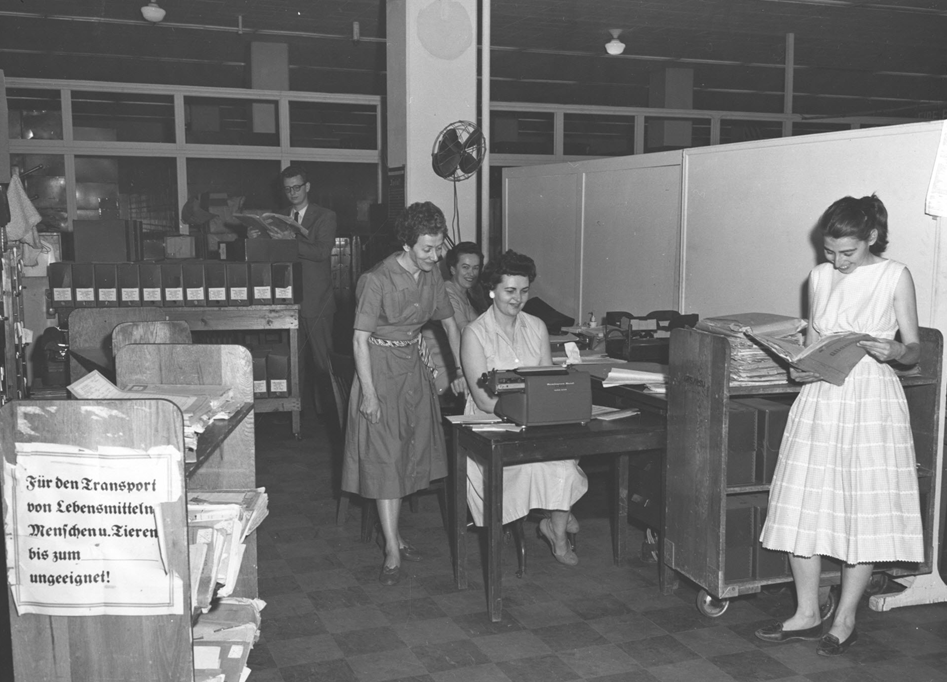
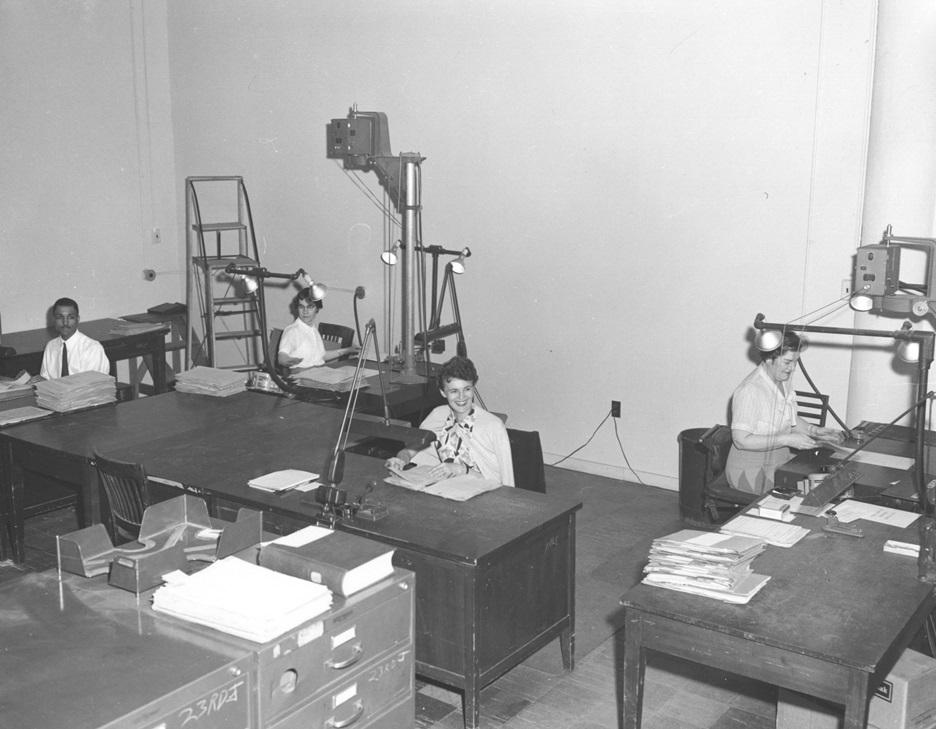
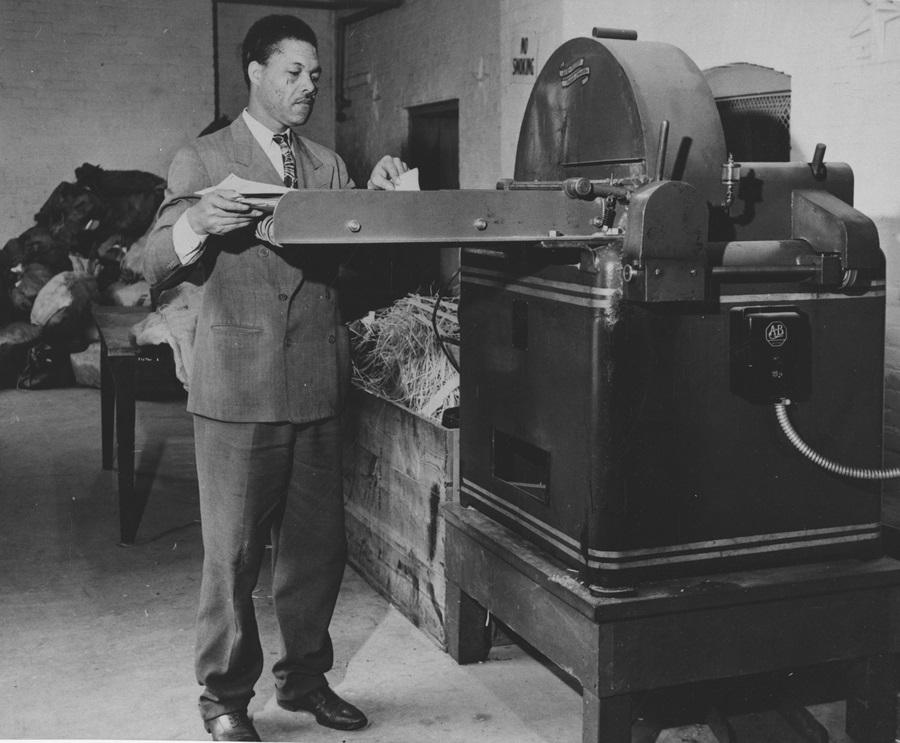
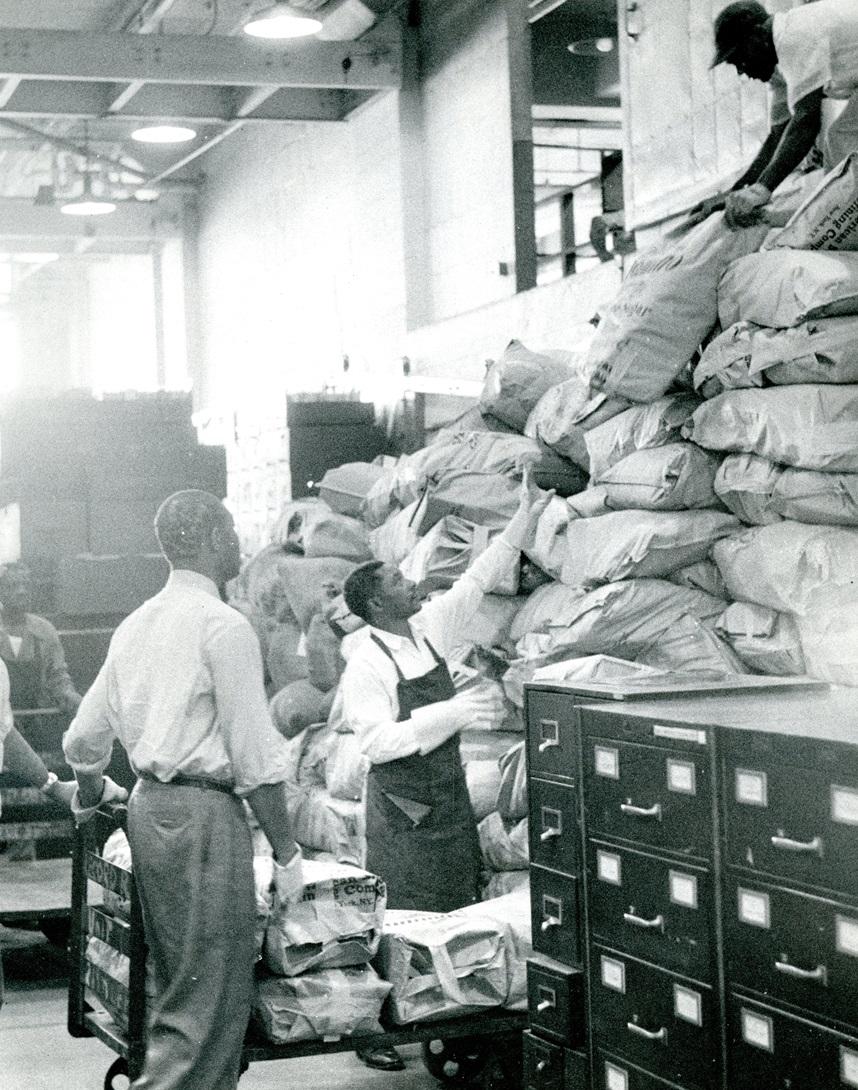
After the Naval Torpedo Station closed in 1950, four of its buildings were repurposed as a Federal Records Center, run by both the National Archives and the Army's Departmental Records Branch. The Alexandria Record Center stored, processed, and disposed of records until 1967.
The National Archives began as a preservation organization, holding roughly 1 million cubic feet of records leading up to WWII. By 1949, it was reorganized and tasked with holding all federal records, an additional 18 million cubic feet. To keep up with this growing need for space, new Federal Records Centers were opened in 1950, including one in Alexandria. The center held federal records from the Mid-Atlantic region as well as records captured during the war. These seized records were controlled by the Army until they were transferred to the National Archives in 1958.
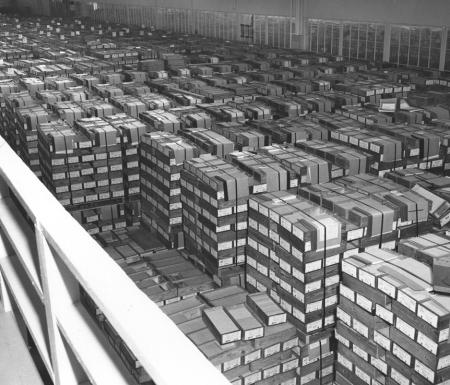
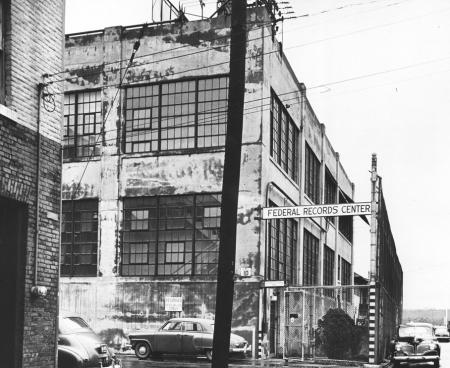
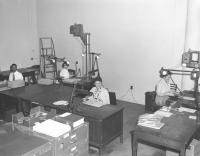
The U.S. Army's World War II Records Division, later assisted by the American Historical Association, microfilmed and processed the captured records for intelligence purposes and historical research. Some were used to prosecute war crimes, including as evidence during the Nuremberg trials that prosecuted major Nazi leaders.
From Archives to Art
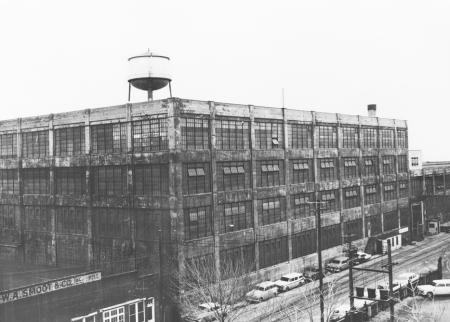
The remaining Torpedo Station complex was briefly used as federal storage, including for the Smithsonian, after the Modern Military Records Division's 1968 move to the National Archives. The City of Alexandria bought the buildings from the federal government the following year.
Local artists saw potential in the run-down building and worked with the City to renovate it, hauling away forty dump trucks of debris. In 1974, the old munitions factory reopened as an experimental art center, home to artist studios and Alexandria Archaeology.
exhibit acknowledgements
Torpedo provided courtesy of Naval History and Heritage Command. This exhibit was made possible by the support of Christopher Erney, Krystyn Moon, the U.S. Navy, the U.S. Naval Academy Alumni Association, and Office of Historic Alexandria staff.
Historic Alexandria would like to thank the many people who once worked within the walls of the Torpedo Factory buildings and the artists and staff who continue to work there today, keeping the building's history alive.