You're logged in with MyAlex  |  Logout

City of Alexandria, VA

Search results cleared

Include archived pages
Most of the content here is written in English. Translate your search to find more content? Translating "" to English... Searching for English phrase ""
  • Live
  • Play
  • Services
  • Business
  • Government
  • Projects & Plans
  • Calendar
  • I want to…

The Lee Street Site: The Archaeological Site

Visit this exhibit in the Alexandria Archaeology Museum
Page updated on November 19, 2025 at 4:47 PM

Alexandria Archaeology

  • Historic Alexandria (Home)
    • The Museums
      • Museum Collections
      • Rentals and Private Events
    • Other Historic Sites
    • Alexandria Community Remembrance Project
    • Alexandria's History
    • Educational Resources
    • Historic Preservation
    • Museum Store
    • Self-Guided Tours
    • Stay Connected
    • Support Historic Alexandria
  • About Historic Alexandria
  • Alexandria Archaeology (Home)
  • Alexandria Archaeological Commission
  • Archaeological Process
    • Alexandria Archaeology Bibliography
    • Documentary Research and Historical Archaeology
  • Archaeology and Alexandria's First People
  • Archaeology and Preservation
    • Archaeological Protection Code
    • Archaeological Standards
    • GIS Tools for the Archaeologist
    • Metal Detecting Code
    • Resource Management Firms
  • Archaeology on the Waterfront
  • Make a Gift
  • News Releases
  • Programs & Events
    • Alexandria Archaeology Summer Camp
    • Educational Resources
  • Projects and Publications
  • Visit the Museum

Share

Bluesky Share on Facebook Share on X Share via Email
Translate icon
Translate icon
XWARNING: You have chosen to translate this page using an automated translation system. This translation has not been reviewed by the City of Alexandria and may contain errors.

A Community Digs its Past: The Lee Street Site

The Lee Street exhibit reveals the archaeological process and the history of Alexandria as seen through the lens of the Lee Street Site (archaeological site 44AX180) and several other waterfront sites.

Preserved on the Lee Street Site was a cross-section of Alexandria's history from its founding in 1749 into the 20th century. Eighteenth-century wharves remained intact below remnants of a bakery, taverns, and residences that had sprung up on the bustling waterfront. The block was later used by the Union Army as a hospital support facility for the huge influx of soldiers during the Civil War. These layers of time were preserved under shallow foundations and a paved parking lot. The exhibit weaves together the story of the wharves, taverns, bakery and Civil War privy excavated at the corner of Lee and Queen Streets with the step-by-step process of archaeology from research and excavation to lab work and conservation.

The Archaeological Site

Historical documents and archaeological evidence work together to answer questions.

Historical documents are just one part of the overall story. Artifacts from a tavern at the Lee Street Site show the diverse activities and people that worked in and used the space. Maps, newspapers, census records, artifacts, features like building remains, and even artwork are all historical clues. Archaeologists collect and combine information from multiple sources to get a better understanding of a specific place in time.
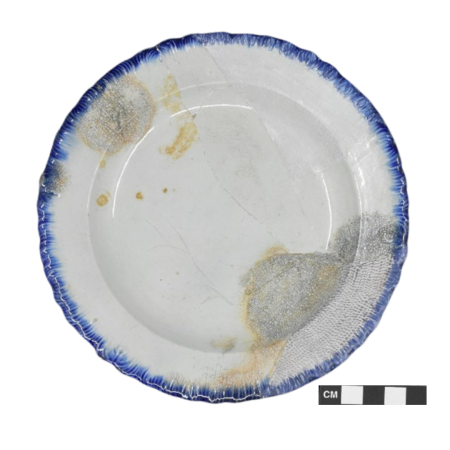
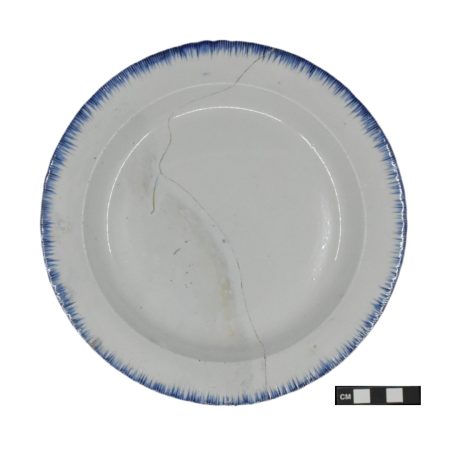
A pearlware plate, approximately 6.5 inches in diameter, with a blue shell-edged design around the outer rim.
Blue shell-edged pearlware plate recovered from the tavern area at Lee Street Site.
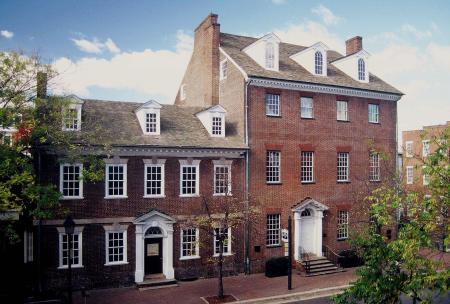
A modern view of the outside of the Gadsby's Tavern Museum and adjoining building.
Gadsby’s Tavern Museum is an example of an early Alexandria tavern that still stands today.


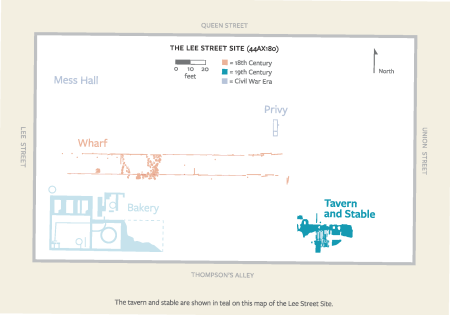
Lee Street Site Map


A stylized archaeological map of the Lee Street site, highlighting sections of an excavated tavern and stable.
The tavern and stable are shown in teal on this map of the Lee Street Site.
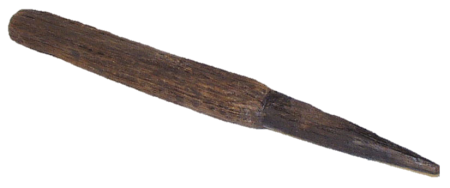
Photo of an artifact within the exhibit: a foot-long wooden fid.
A sailor may have lost this sail-making tool between the stone paving of an 18th century wharf, fifty years before other sailors and dock workers frequented the Jeminy and Mannery Tavern. It was used to make holes in canvas or to separate strands of rope for splicing.


Excavating the tavern - in the field

The exact context, or location, of artifacts and features on a site help interpret when and what happened in a specific place. The Lee Street Site (44AX180) contains evidence of over 100 years of city life. Each object’s location is key. Archaeologists recorded the horizontal and vertical context of each artifact and feature on the site. This information helps determine which artifacts were associated with the tavern and which artifacts were left behind by people who used the site after the tavern was gone.
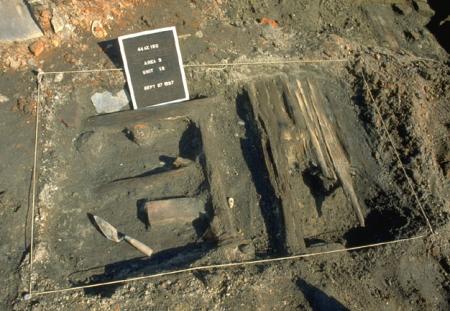
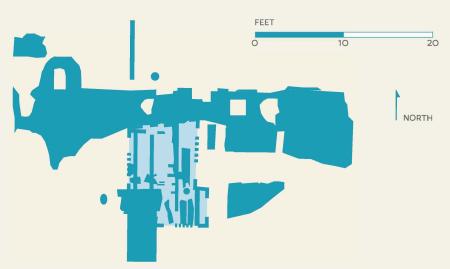
Photo of a rectangular Lee Street excavation unit with wooden floorboards exposed. String lines the outside of the unit, and a signboard and trowel label the unit and show which way is north.th.
The tavern’s wooden floors were preserved by wet sand and silt left behind by flooding. The signboard in the photo records the location, or context, of the floorboards.
A stylized archaeological map of the Lee Street site showing the exposed brick foundations of a tavern.
Archaeologists uncovered the brick foundations of a small structure (light teal) on the Lee Street Site. The dark teal shows other features found on the site.

Excavating the tavern - in the archives

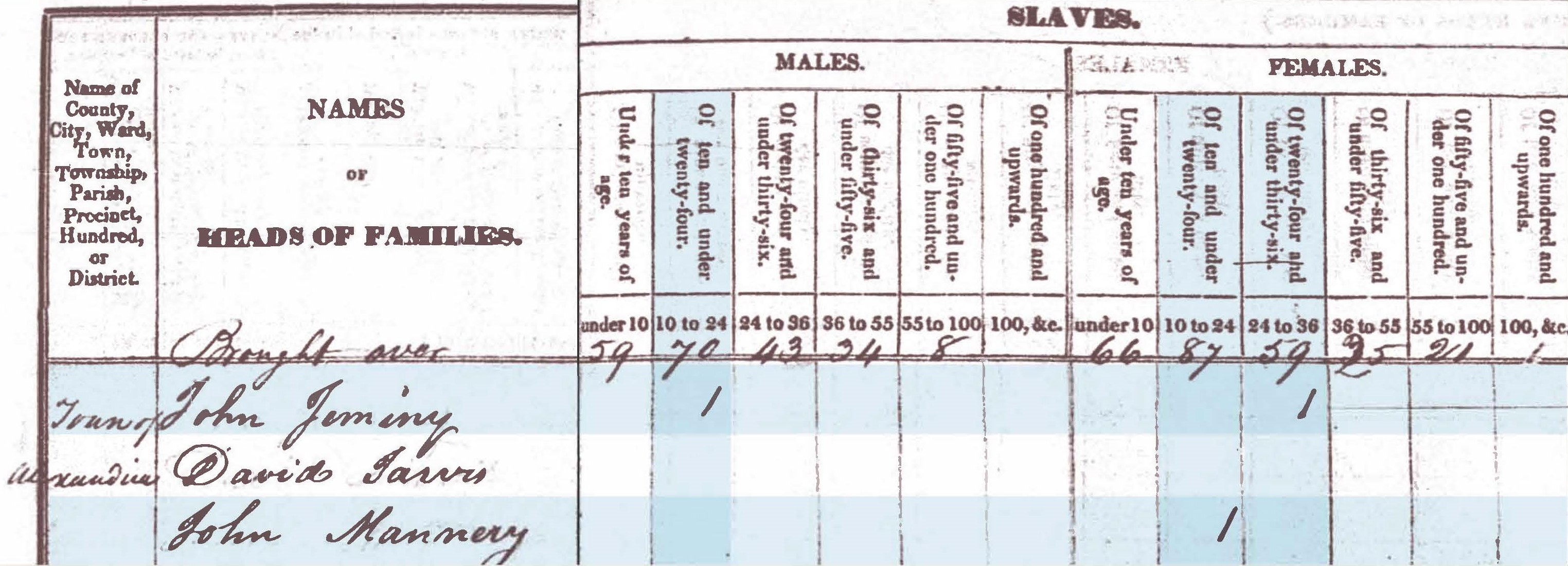
A section of the 1830 census shows separate lines for John Jeminy and John Mannery as heads of households. Jeminy's household is listed as having one enslaved "male" between the ages of 10 and 24, and one enslaved woman between the ages of 24 and 36. Mannery's household is shown as having one enslaved "female" between the ages of 10 and 24.
Documents like this 1830 census are evidence of a race-based system of slavery that viewed people as property. Instead of names, they are recorded as tally marks based on their age and sex.

Before archaeologists excavated the Lee Street Site, researchers dug into the archives and found documentation of a tavern located on this block. The first tavern license was issued for this building by 1815. John Jeminy and John Mannery operated the tavern between 1819 and 1835. 

Enslaved people and evidence of their lives and labor can be seen in businesses and homes throughout Alexandria. The households of Jeminy and Mannery included three enslaved people as shown in the 1830 census. It was common for both free and enslaved Black Alexandrians to carry out work in taverns like this one.

What was tavern life like?

Alexandria’s taverns served a similar purpose to today's restaurants and hotels. For some, they were a hub of social and economic life, a center for community, and a rest stop for travelers. For others they were a place of work or enslavement.

Food

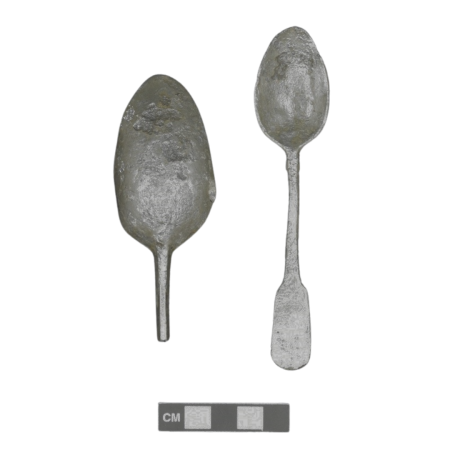
Free and enslaved people set the tavern tables with items like these, imported mainly from England. Most of the tableware found at the Lee Street Site was relatively inexpensive for the day, suggesting that the tavern did not cater to the richest clientele.
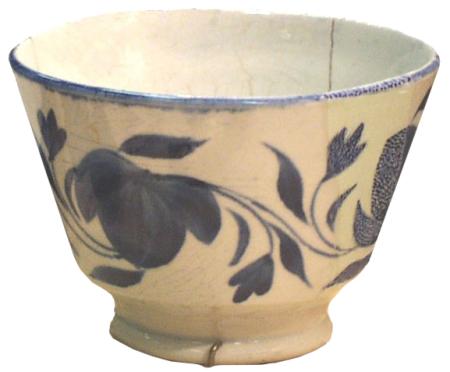
A teacup with a blue floral design and blue rim
1. London shaped pearlware teacup (ca. 1775-1830)
A fragment of a glass cruet
2. Lead glass cruet, used for serving liquid condiments like oil or vinegar
A blue shell-edged plate, approximately 8.5 inches in diameter, with a crack running through the middle.
3. English pearlware dinner plate (ca. 1810-1830)
Two metal spoons
4. Silver spoons


Entertainment

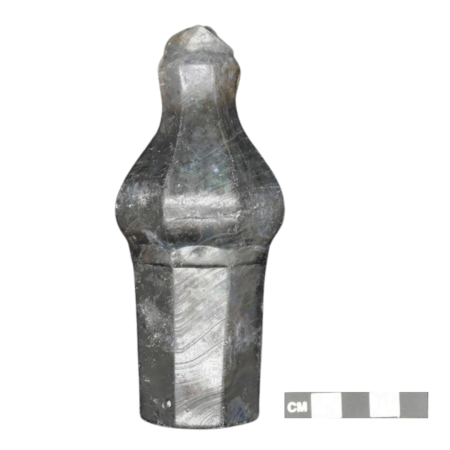
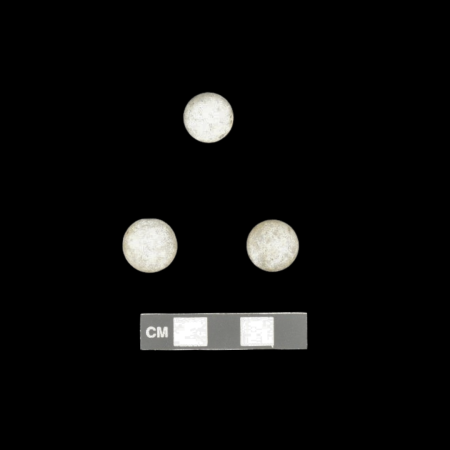
19th century taverns were places for conversation and for music, played on instruments like this fife mouthpiece (1). Taverns had to follow the moral laws of the time, included a ban on gambling and drinking on Sundays. These clay marbles (2) may have been used for illicit gambling at the tavern.
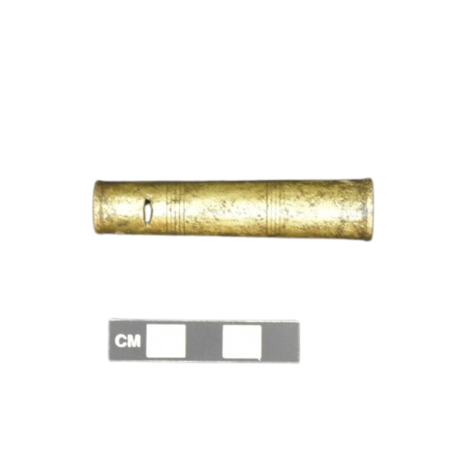
Metal fife mouthpiece
1. Fife mouthpiece
Three clay marbles
2. Clay marbles


Personal Artifacts

Taverns served many different people, both local Alexandrians and travelers. These artifacts tell us more about the people who frequented the tavern and those who worked there.
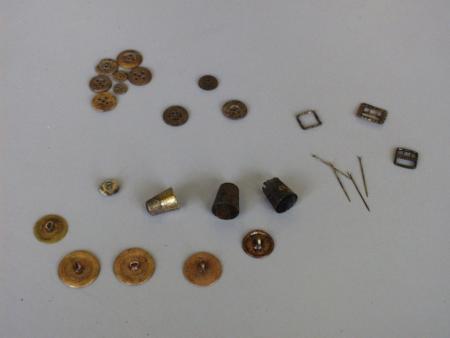
 

A small assortment of thimbles, pins, buckles, and buttons
Thimbles (1), pins (2), buckles (3), and buttons (4) may have been used by enslaved people to mend the clothing of travelers.
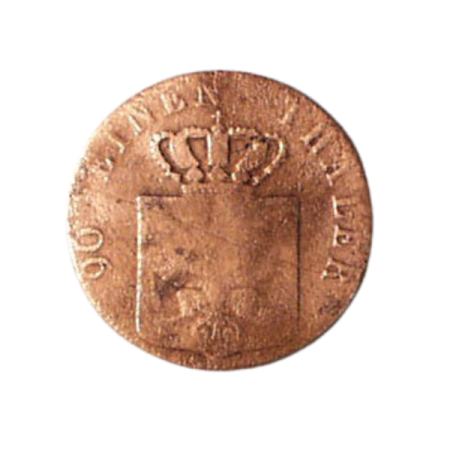
"90 EINEN THALER" coin showing a crowned escutcheon (shield) with an eagle at its center
1. German Thaler
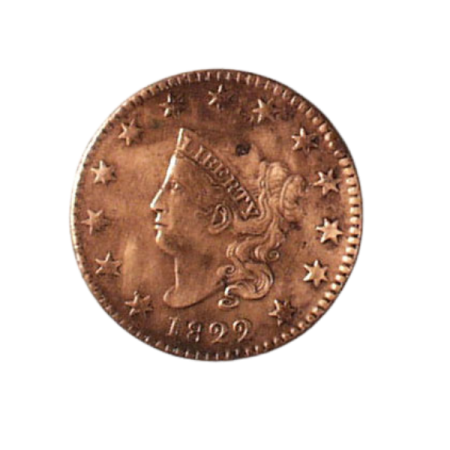
An 1822 U.S. penny with the head of Lady Liberty at its center and 13 stars around the edge to symbolize the 13 original colonies
2. American penny (1822)
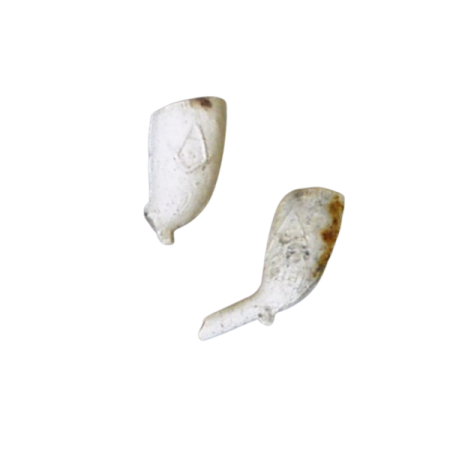
Two pipe bowl fragments, one with a Masonic symbol
Pipes were fragile and were often thrown out and replaced. A symbol on one of these pipes suggests Masonic members frequented this tavern.

The Lee Street Site Exhibit

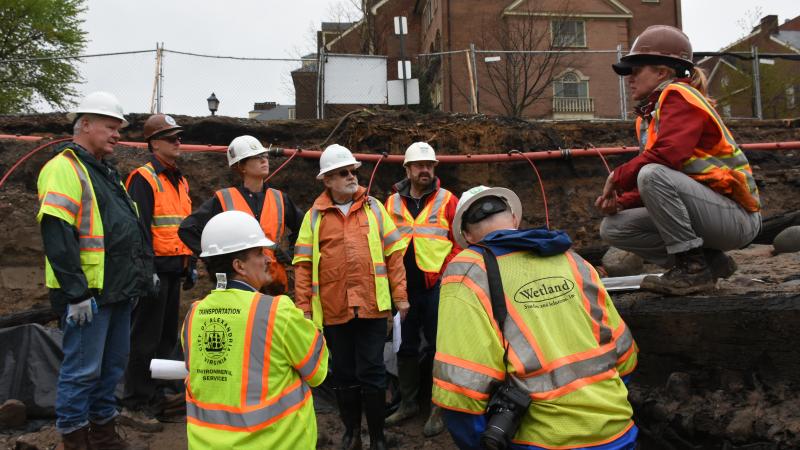
City Archaeologist, Eleanor Breen, talks with contract archaeologists at the Robinson Landing Site (44AX235).

1. What is Alexandria Archaeology?

This City of Alexandria public archaeology program and museum exists because the community recognizes the importance of preserving and interpreting the area's unique history.

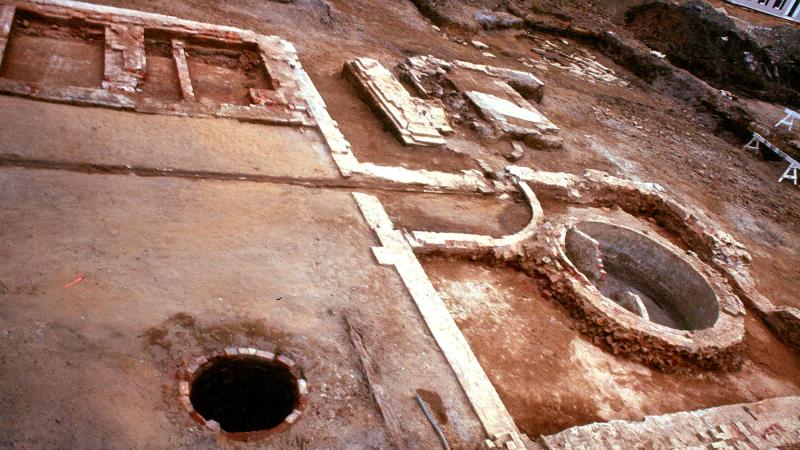
Foundations of a bakery at the Lee Street Site (44AX180)

2. What is Urban Archaeology?

The ground beneath modern Alexandria contains a record of the lives of Native Americans, European colonists, enslaved and free Black people, and later immigrants. Buildings, parks, and pavement preserve the buried evidence of the everyday lives of past town residents. 

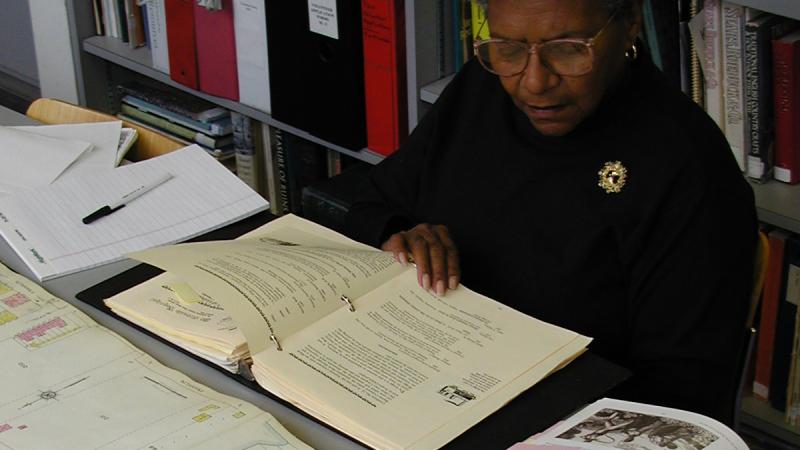
A researcher looks over maps and books.

3. What Do Archaeologists Do?

Artifacts like bottles, buttons, and bones and features like building foundations and privies show what happened in a particular place and time. Archaeologists use this evidence to learn about people’s lives.

Layers of different soil colors and types

4. What Did Alexandria Look Like?

The Lee Street Site is a cross-section of Alexandria’s history from its founding in 1749 to today.

Watercolor of Alexandria in the 18th century showing tall ships on the Potomac and a small port town in the distance.

5. 18th Century - Building a Bustling Port

You are standing on manmade land that helped create a successful port.

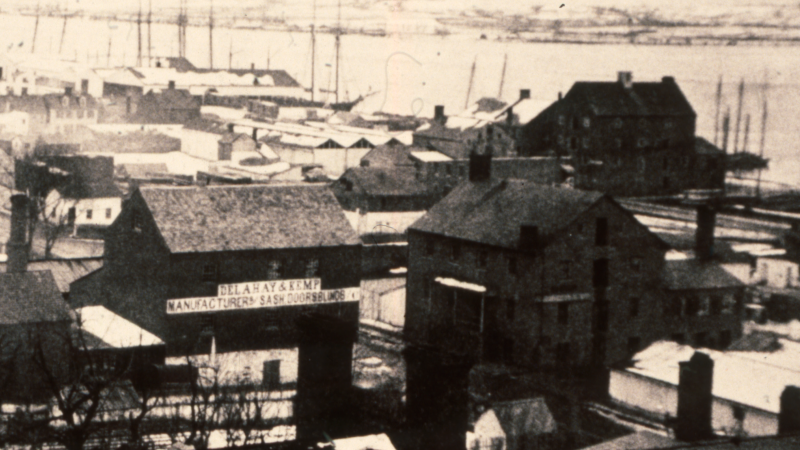
A black and white photo shows buildings along the waterfront with the masts of tall ships in the background. The Jamieson Bakery building is a three-story building with loft, circled in the foreground.

6. 19th Century - The Rise of Industry

Buried foundations show the industrialization of the waterfront.

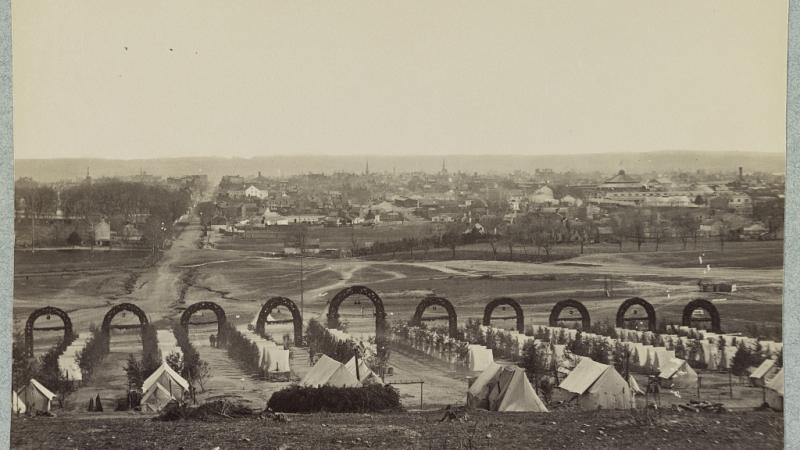
Photo taken from Shuter's Hill, the site of the George Washington Masonic National Memorial, looking east. Alexandria is visible in the background. The foreground shows lines of army tents with archways marking the roads between them.

7. Civil War - Fighting for Freedom

The fight to end slavery permanently changed life in Alexandria.

A stylized archaeological map of the Lee Street site showing the exposed brick foundations of a tavern.

8. The Archaeological Site

Historical documents and archaeological evidence work together to answer questions.

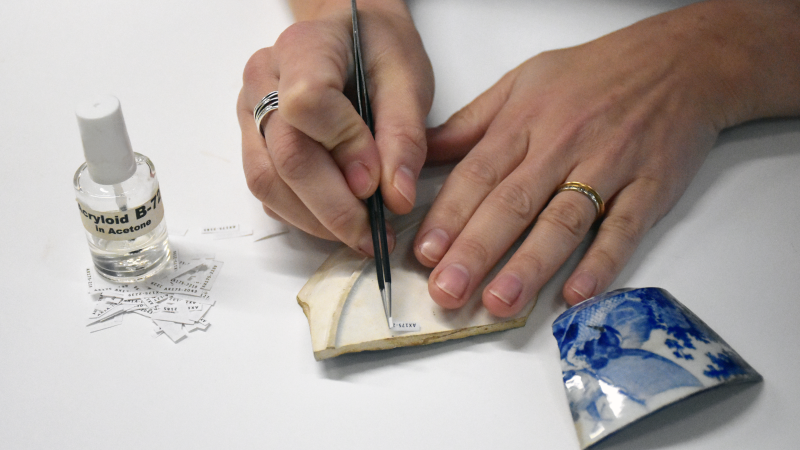
An archaeologist uses tweezers and a removeable glue to add small paper labels to the base of a ceramic artifact

9. The Archaeology Lab

From studying bones to buttons, the lab is where true discovery happens.

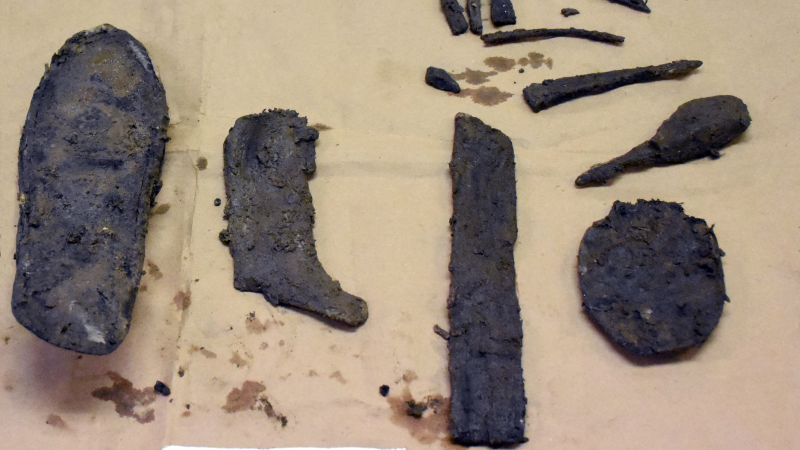
Pieces of leather shoes are laid out on brown paper to be photographed with a scale.

10. Conserving Fragile Artifacts

Conservators triage history, caring for every artifact.

  • Archaeology
  • Historic Alexandria
  • Museums
Contact Us
Alex311 | 703.746.4311
Follow Us
  • BlueSky
  • Facebook
  • X
  • YouTube
Visitor Information

VisitAlexandriaVA.com

  • Jobs
  • Payments
  • Departments
  • Newsroom
  • Social Media
  • Emergency Hotlines
  • Accessibility
  • FOIA Requests
  • Privacy & Legal

Alexandria City Hall
301 King Street
Alexandria, VA 22314

City of Alexandria Seal
© 1995–2023 City of Alexandria, VA and others.
Hold on, redirecting...