You're logged in with MyAlex  |  Logout

City of Alexandria, VA

Search results cleared

Include archived pages
Most of the content here is written in English. Translate your search to find more content? Translating "" to English... Searching for English phrase ""
  • Live
  • Play
  • Services
  • Business
  • Government
  • Projects & Plans
  • Calendar
  • I want to…

The Lee Street Site: What is Urban Archaeology

Visit this exhibit in the Alexandria Archaeology Museum
Page updated on November 19, 2025 at 4:52 PM

Alexandria Archaeology

  • Historic Alexandria (Home)
    • The Museums
      • Museum Collections
      • Rentals and Private Events
    • Other Historic Sites
    • Alexandria Community Remembrance Project
    • Alexandria's History
    • Educational Resources
    • Historic Preservation
    • Museum Store
    • Self-Guided Tours
    • Stay Connected
    • Support Historic Alexandria
  • About Historic Alexandria
  • Alexandria Archaeology (Home)
  • Alexandria Archaeological Commission
  • Archaeological Process
    • Alexandria Archaeology Bibliography
    • Documentary Research and Historical Archaeology
  • Archaeology and Alexandria's First People
  • Archaeology and Preservation
    • Archaeological Protection Code
    • Archaeological Standards
    • GIS Tools for the Archaeologist
    • Metal Detecting Code
    • Resource Management Firms
  • Archaeology on the Waterfront
  • Make a Gift
  • News Releases
  • Programs & Events
    • Alexandria Archaeology Summer Camp
    • Educational Resources
  • Projects and Publications
  • Visit the Museum

Share

Bluesky Share on Facebook Share on X Share via Email
Translate icon
Translate icon
XWARNING: You have chosen to translate this page using an automated translation system. This translation has not been reviewed by the City of Alexandria and may contain errors.

A Community Digs its Past: The Lee Street Site

The Lee Street exhibit reveals the archaeological process and the history of Alexandria as seen through the lens of the Lee Street Site (archaeological site 44AX180) and several other waterfront sites.

Preserved on the Lee Street Site was a cross-section of Alexandria's history from its founding in 1749 into the 20th century. Eighteenth-century wharves remained intact below remnants of a bakery, taverns, and residences that had sprung up on the bustling waterfront. The block was later used by the Union Army as a hospital support facility for the huge influx of soldiers during the Civil War. These layers of time were preserved under shallow foundations and a paved parking lot. The exhibit weaves together the story of the wharves, taverns, bakery and Civil War privy excavated at the corner of Lee and Queen Streets with the step-by-step process of archaeology from research and excavation to lab work and conservation.

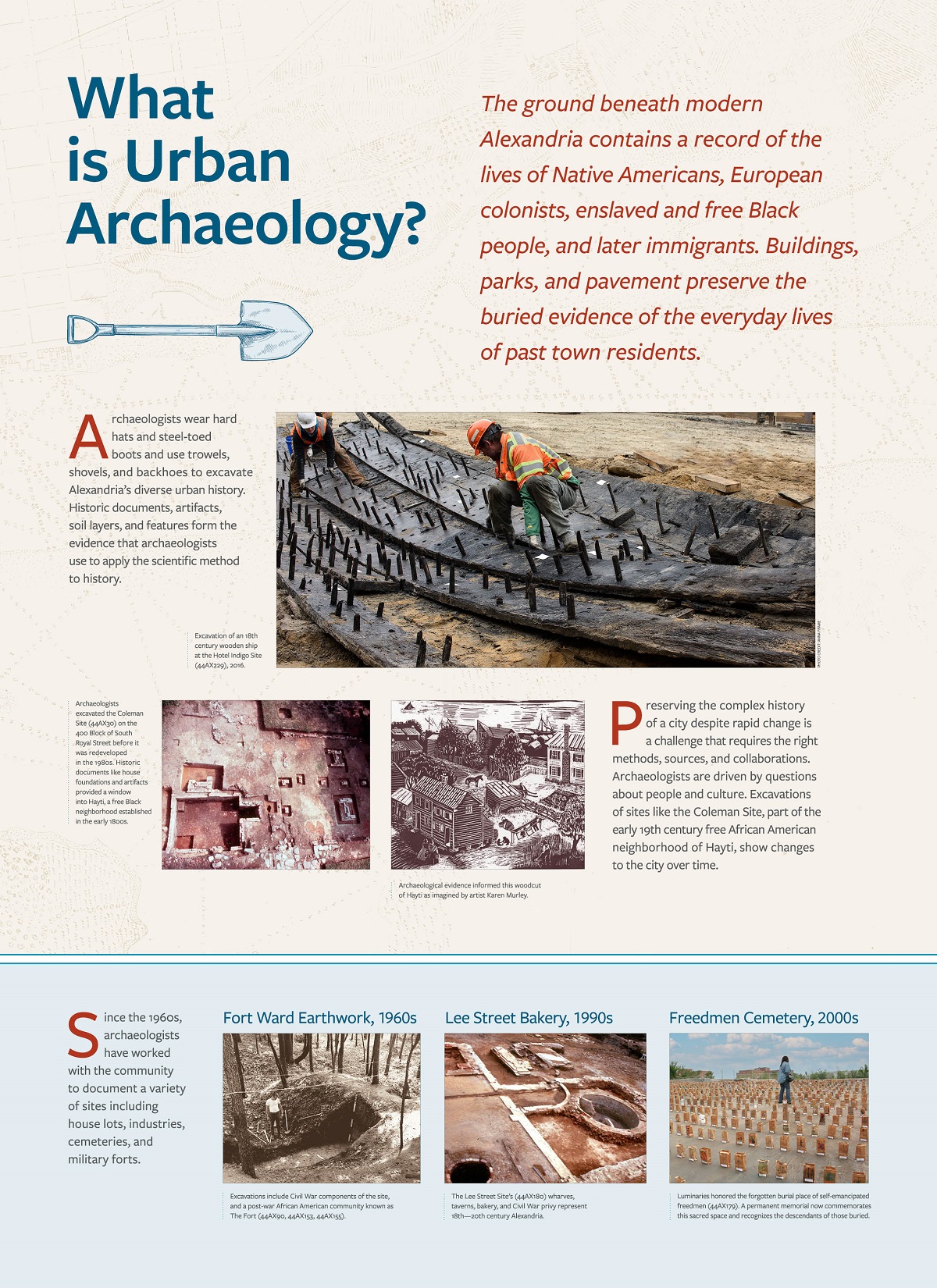
What is Urban Archaeology?

exhibit panel


What is Urban Archaeology?

The ground beneath modern Alexandria contains a record of the lives of Native Americans, European colonists and later immigrants, enslaved and free Black people, and later immigrants. Buildings, parks, and pavement preserve the material culture of the everyday lives of past town residents.

Archaeologists wear hard hats and steel-toed boots and use trowels, shovels, and backhoes to excavate Alexandria’s diverse urban history. Historic documents, artifacts, soil layers, and features form the evidence that archaeologists use to apply the scientific method to history.

Archaeologists excavate an 18th century wooden ship at the Hotel Indigo Site (44AX229).
Excavation of an 18th century wooden ship at the Hotel Indigo Site (44AX229), 2016. Photo credit: Anna Frame. 

Preserving the complex history of a city despite rapid change is a challenge that requires the right methods, sources, and collaborations. Archaeologists are driven by questions about people and culture. Excavations of sites like the Coleman Site, part of the early 19th century free African American neighborhood of Hayti, show changes to the city over time. 
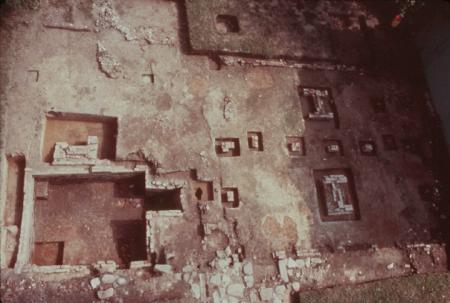
View of the Coleman Site (44AX30) excavation showing foundations.
Archaeologists excavated the Coleman Site (44AX30) on the 400 block of South Royal Street before it was redeveloped in the 1980s. Historic documents like house foundations and artifacts provided a window into Hayti, a free Black neighborhood established in the early 1800s.
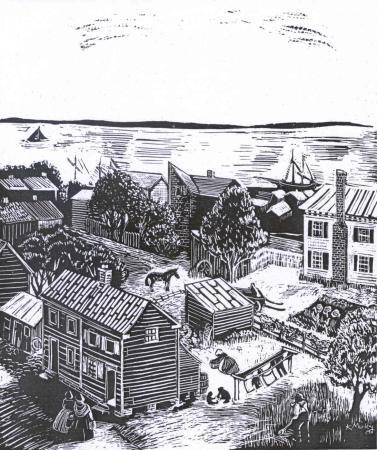
Hayti, by Karen Murley
Archaeological evidence informed this woodcut of Hayti as imagined by artist Karen Murley. 

Since the 1960s, archaeologists have worked with the community to document a variety of sites including house lots, industries, cemeteries, and military forts.
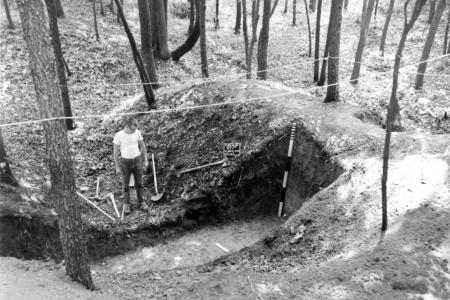
An archaeologist stands beside a partially excavated earthwork at Fort Ward.
Fort Ward Earthwork, 1960s: Excavations include Civil War components of the site, and a post-war African American community known as The Fort (44AX90, 44AX153, 44AX155).
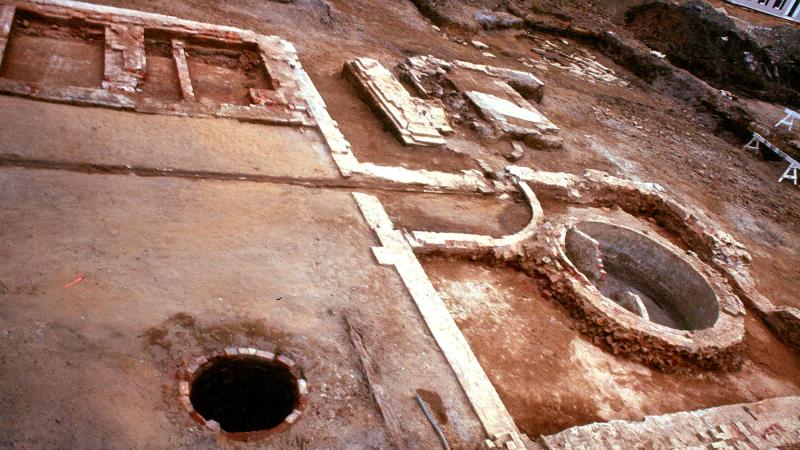
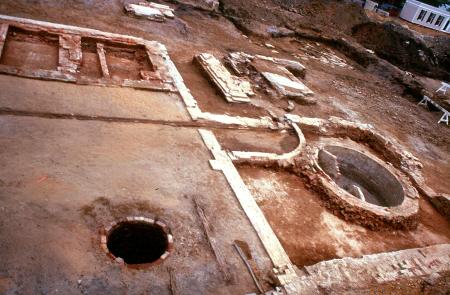
Foundations of a bakery at the Lee Street Site (44AX180)
Lee Street Bakery, 1990s: The Lee Street Site’s (44AX180) wharves, taverns, bakery, and Civil War privy represent 18th – 20th century Alexandria.
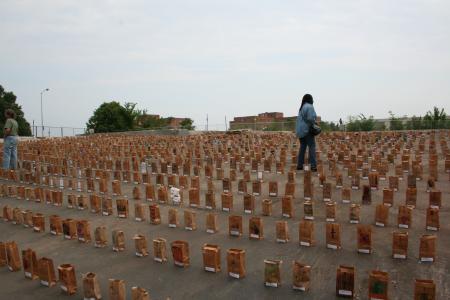
A person walks through a paved lot filled with paper bag luminaries.
Freedmen Cemetery, 2000s: Luminaries honored the forgotten burial place of self-emancipated freedmen (44AX179). A permanent memorial now commemorates this sacred space and recognizes the descendants of those buried.  

The Lee Street Site Exhibit

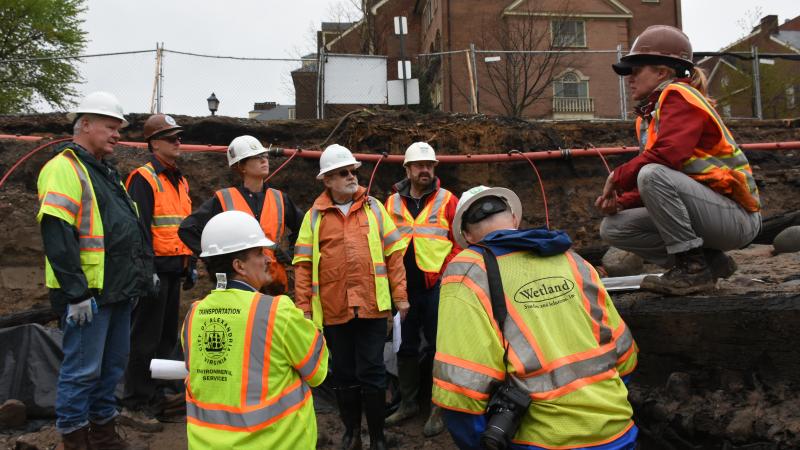
City Archaeologist, Eleanor Breen, talks with contract archaeologists at the Robinson Landing Site (44AX235).

1. What is Alexandria Archaeology?

This City of Alexandria public archaeology program and museum exists because the community recognizes the importance of preserving and interpreting the area's unique history.

Foundations of a bakery at the Lee Street Site (44AX180)

2. What is Urban Archaeology?

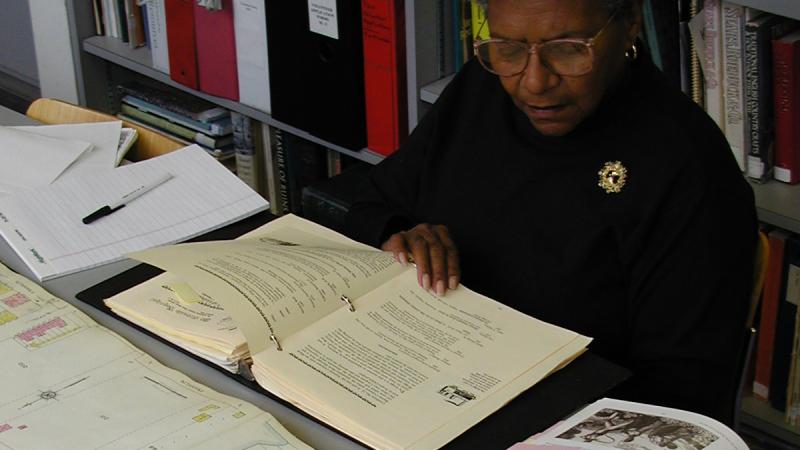
The ground beneath modern Alexandria contains a record of the lives of Native Americans, European colonists, enslaved and free Black people, and later immigrants. Buildings, parks, and pavement preserve the buried evidence of the everyday lives of past town residents. 

A researcher looks over maps and books.

3. What Do Archaeologists Do?

Artifacts like bottles, buttons, and bones and features like building foundations and privies show what happened in a particular place and time. Archaeologists use this evidence to learn about people’s lives.

Layers of different soil colors and types

4. What Did Alexandria Look Like?

The Lee Street Site is a cross-section of Alexandria’s history from its founding in 1749 to today.

Watercolor of Alexandria in the 18th century showing tall ships on the Potomac and a small port town in the distance.

5. 18th Century - Building a Bustling Port

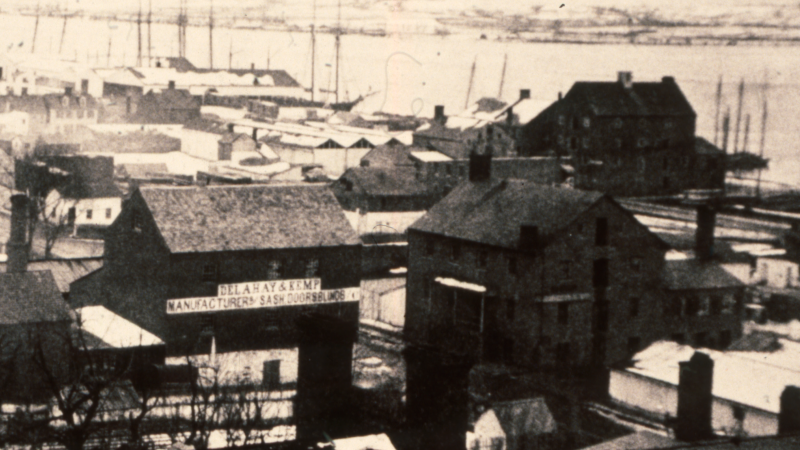
You are standing on manmade land that helped create a successful port.

A black and white photo shows buildings along the waterfront with the masts of tall ships in the background. The Jamieson Bakery building is a three-story building with loft, circled in the foreground.

6. 19th Century - The Rise of Industry

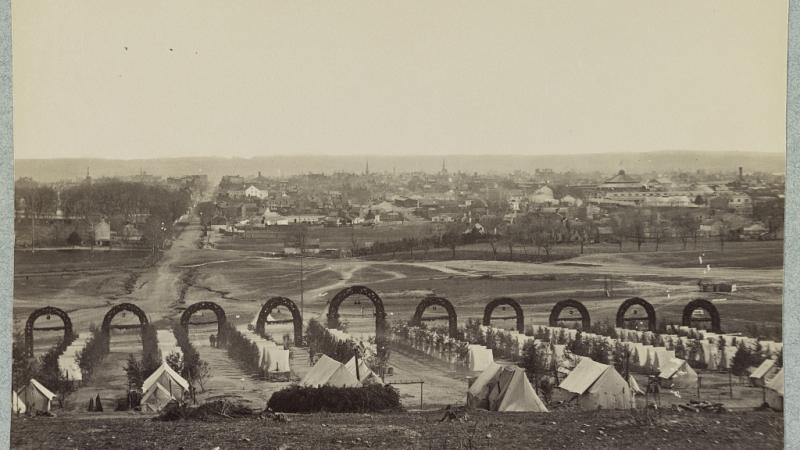
Buried foundations show the industrialization of the waterfront.

Photo taken from Shuter's Hill, the site of the George Washington Masonic National Memorial, looking east. Alexandria is visible in the background. The foreground shows lines of army tents with archways marking the roads between them.

7. Civil War - Fighting for Freedom

The fight to end slavery permanently changed life in Alexandria.

A stylized archaeological map of the Lee Street site showing the exposed brick foundations of a tavern.

8. The Archaeological Site

Historical documents and archaeological evidence work together to answer questions.

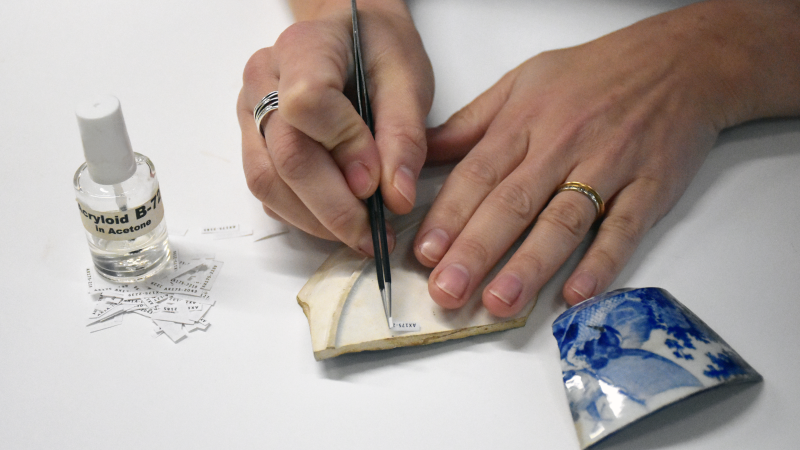
An archaeologist uses tweezers and a removeable glue to add small paper labels to the base of a ceramic artifact

9. The Archaeology Lab

From studying bones to buttons, the lab is where true discovery happens.

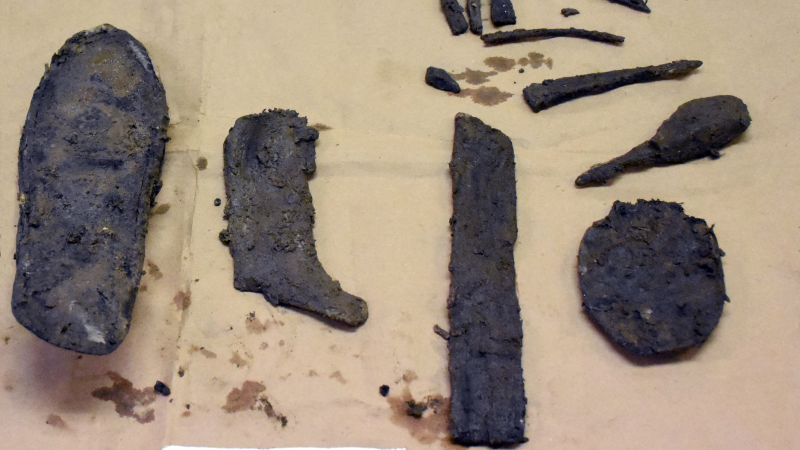
Pieces of leather shoes are laid out on brown paper to be photographed with a scale.

10. Conserving Fragile Artifacts

Conservators triage history, caring for every artifact.

  • Archaeology
  • Historic Alexandria
  • Museums
Contact Us
Alex311 | 703.746.4311
Follow Us
  • BlueSky
  • Facebook
  • X
  • YouTube
Visitor Information

VisitAlexandriaVA.com

  • Jobs
  • Payments
  • Departments
  • Newsroom
  • Social Media
  • Emergency Hotlines
  • Accessibility
  • FOIA Requests
  • Privacy & Legal

Alexandria City Hall
301 King Street
Alexandria, VA 22314

City of Alexandria Seal
© 1995–2023 City of Alexandria, VA and others.
Hold on, redirecting...