
Make a gift
Historic Alexandria’s work is made possible by people who believe our city’s stories are worth preserving and sharing. Your support in FY25 helped protect historic sites and collections, expand educational programs, and welcome thousands of visitors into Alexandria’s museums and historic places. As we reflect on this year’s impact, we invite you to continue this legacy of community philanthropy. A gift today ensures that Alexandria’s history—complex, inclusive, and inspiring—remains accessible for generations to come.
Historic Alexandria Annual Report FY25
Preserving the Past
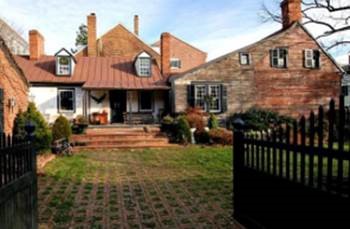
FY25 marked significant progress in safeguarding Alexandria’s historical resources. Major preservation work advanced across key sites, most notably the near-completion of the Freedom House Museum exterior rehabilitation and continued restoration planning for historic structures such as the Murray-Dick-Fawcett House. The African American History Division expanded digital preservation through its second IMLS grant, digitizing over 4,200 Watson Reading Room records and uploading more than 7,600 museum and archival records to the public-facing PastPerfect database. Archives & Records launched a pilot project to digitize permits and architectural plans, deepening long-term access and preservation of essential civic records. Collections stewardship improved through upgraded and stabilized storage, new acquisitions, department-wide preservation planning, and preparations for five forthcoming exhibitions. Archaeology continued to document and protect historical resources through excavations at the Alexandria Canal and ongoing cemetery preservation initiatives, while celebrating the 50th anniversary of the Alexandria Archaeological Commission.
Inspiring the Future
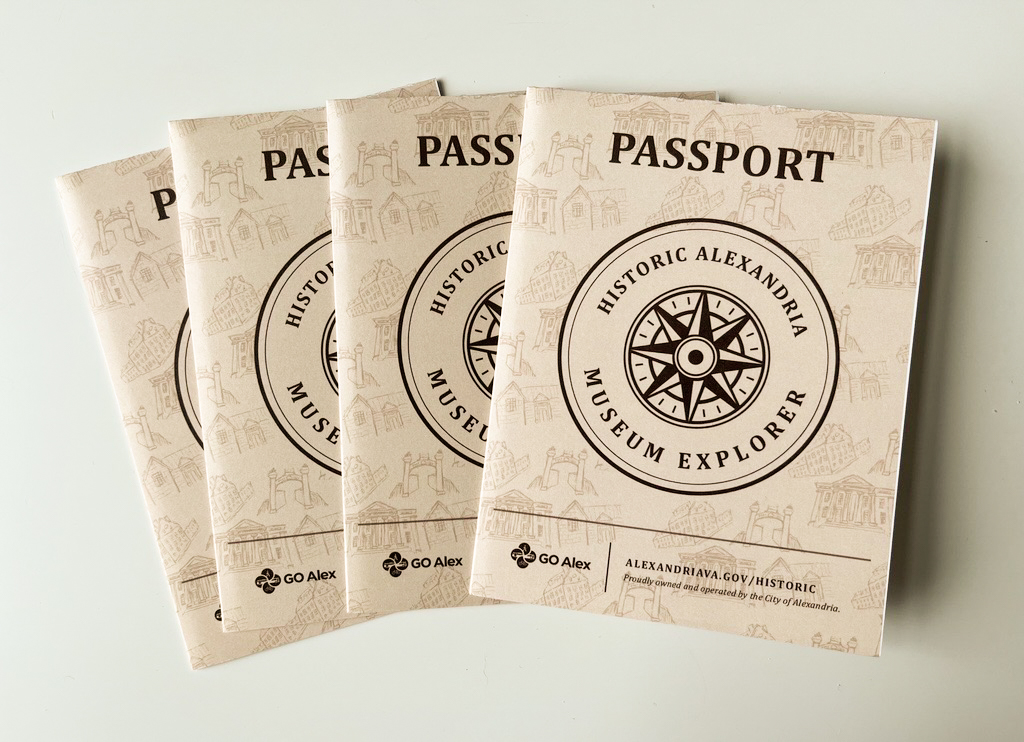
Public engagement and historical interpretation grew substantially in FY25. The year saw the opening of Moss Kendrix: Reframing the Black Image, furthering Historic Alexandria’s commitment to inclusive, community-wide storytelling. Ongoing interpretive planning began for the Duke Street Corridor and Civil Rights Trail, accompanied by a forthcoming state marker for Colored Rosemont. The release of the Alexandria Historical Sign Finder and short-form educational videos expanded our digital storytelling reach. The Education & Museum Operations team launched eight new programs, strengthened volunteer and intern pipelines, and increased outreach through social media content, new visitor passports, and community events. Major anniversaries—including the Lafayette Bicentennial and the 10th anniversary of the Freedmen’s Cemetery Memorial—deepened reflection on Alexandria’s national and local significance. As preparations for America250 accelerated, Historic Alexandria has planned new tours, exhibitions, a guidebook, interpretive markers, and the “Sails on the Potomac” initiative to help inspire audiences leading into 2026.
Enriching the Present
FY25 strengthened OHA’s operational capacity and its connection with the Alexandria community. Strategic hiring across divisions—including leadership roles, educators, records staff, and rental coordinators—expanded the department’s ability to serve the public. Operational improvements included implementing a new point-of-sale system, developing a departmental communications plan, and initiating a full website revamp to improve user experience. Community partnerships flourished through programs such as the ACRP Sister City initiative, Social Impact Wayfinding, Spring2Action participation, and expanded oral history outreach. Historic Alexandria also supported major City projects, including renovations at the Waterfront and Market Square, ensuring that historical interpretation remains integrated into Alexandria’s evolving civic landscape. These efforts, combined with sustained fundraising strengthened the organization’s visibility, stability, and ability to enrich community life today.